
Key Takeaways: How to Choose a Japanese Food Wholesaler
- A reliable wholesaler handles import logistics, regulatory compliance, and product sourcing so you can focus on your business.
- Evaluate wholesalers based on product range, experience, supply chain transparency, and communication responsiveness.
- FDA compliance and Foreign Supplier Verification Programs (FSVP) are non-negotiable when importing Japanese foods.
- Request product samples before committing to large orders to verify quality and freshness firsthand.
- umamill Corp. connects overseas buyers with Japanese manufacturers while supporting sample requests and export procedures.
What Does a Japanese Food Wholesaler Do?
A Japanese food wholesaler acts as the bridge between food manufacturers in Japan and your business in the United States. They handle product sourcing, import documentation, customs clearance, and delivery logistics on your behalf.
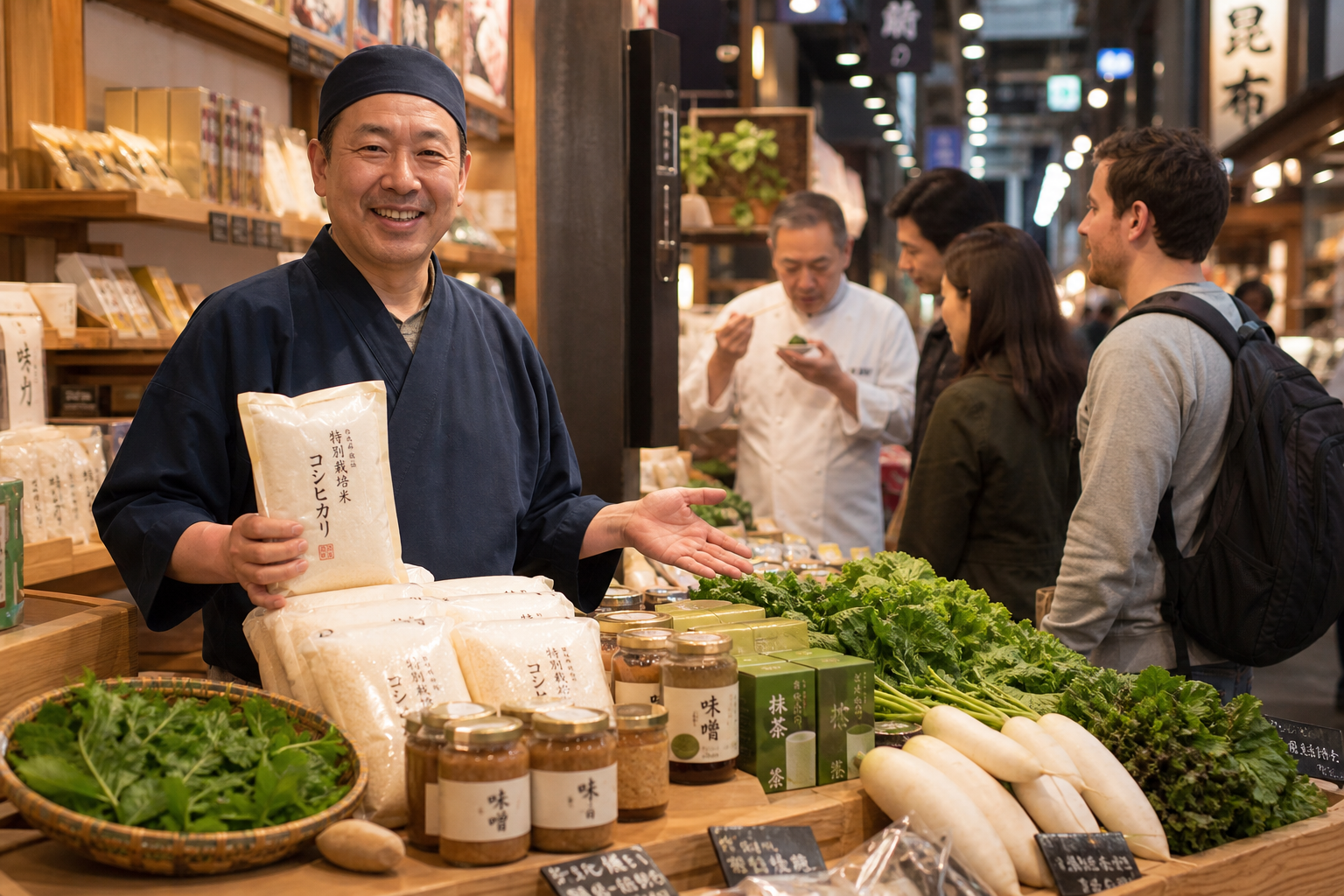
This means you get access to authentic Japanese ingredients—soy sauces, miso, nori, seasonings, snacks, and specialty items—without navigating the complexities of international trade yourself.
For procurement managers and category buyers, partnering with the right wholesaler reduces risk and saves time. You can focus on menu development or shelf assortment while your wholesaler manages the supply chain.
Why Does Choosing the Right Wholesaler Matter?
Your wholesaler directly impacts product quality, delivery reliability, and regulatory compliance. A poor choice can lead to customs delays, spoiled inventory, or products that fail to meet FDA requirements.
The right partner ensures consistent supply of fresh, authentic products. They understand cold chain requirements for perishables and proper storage conditions for dry goods.
For restaurants and specialty retailers, this consistency builds customer trust. Your diners and shoppers expect the same quality every time they purchase from you.
What Are the Key Criteria for Evaluating a Japanese Food Wholesaler?
When comparing wholesalers, focus on these five factors to make an informed decision.
Product Range and Specialization
Does the wholesaler carry the specific items you need? Some specialize in sake and alcoholic beverages, while others focus on dry goods, frozen seafood, or fresh produce.
A diverse catalog gives you flexibility to expand your offerings. However, a specialized wholesaler may offer deeper expertise in their niche category.
Industry Experience and Track Record
Look for wholesalers with established relationships in both Japan and the US market. Years of experience indicate they understand import regulations, seasonal availability, and logistics challenges.
Ask how long they have been operating and request references from current clients in your industry segment.
Supply Chain Transparency
Can the wholesaler trace products back to their source? Transparency in sourcing builds confidence in product authenticity and quality standards.
Reputable wholesalers work directly with Japanese manufacturers and can share information about production methods and certifications.
Logistics and Delivery Capabilities
Evaluate their distribution network. Do they have warehouses near your location? Can they handle temperature-controlled shipments for perishables?
Reliable delivery schedules prevent stockouts and ensure products arrive fresh. Ask about typical lead times and minimum order quantities.
Communication and Support
Responsive customer service makes a difference when issues arise. Choose a wholesaler that communicates clearly and resolves problems quickly.
Multilingual support is valuable when coordinating with Japanese suppliers. umamill Corp. offers multilingual staff support, including Chinese, to help buyers overcome communication barriers.
How Do You Verify FDA Compliance?
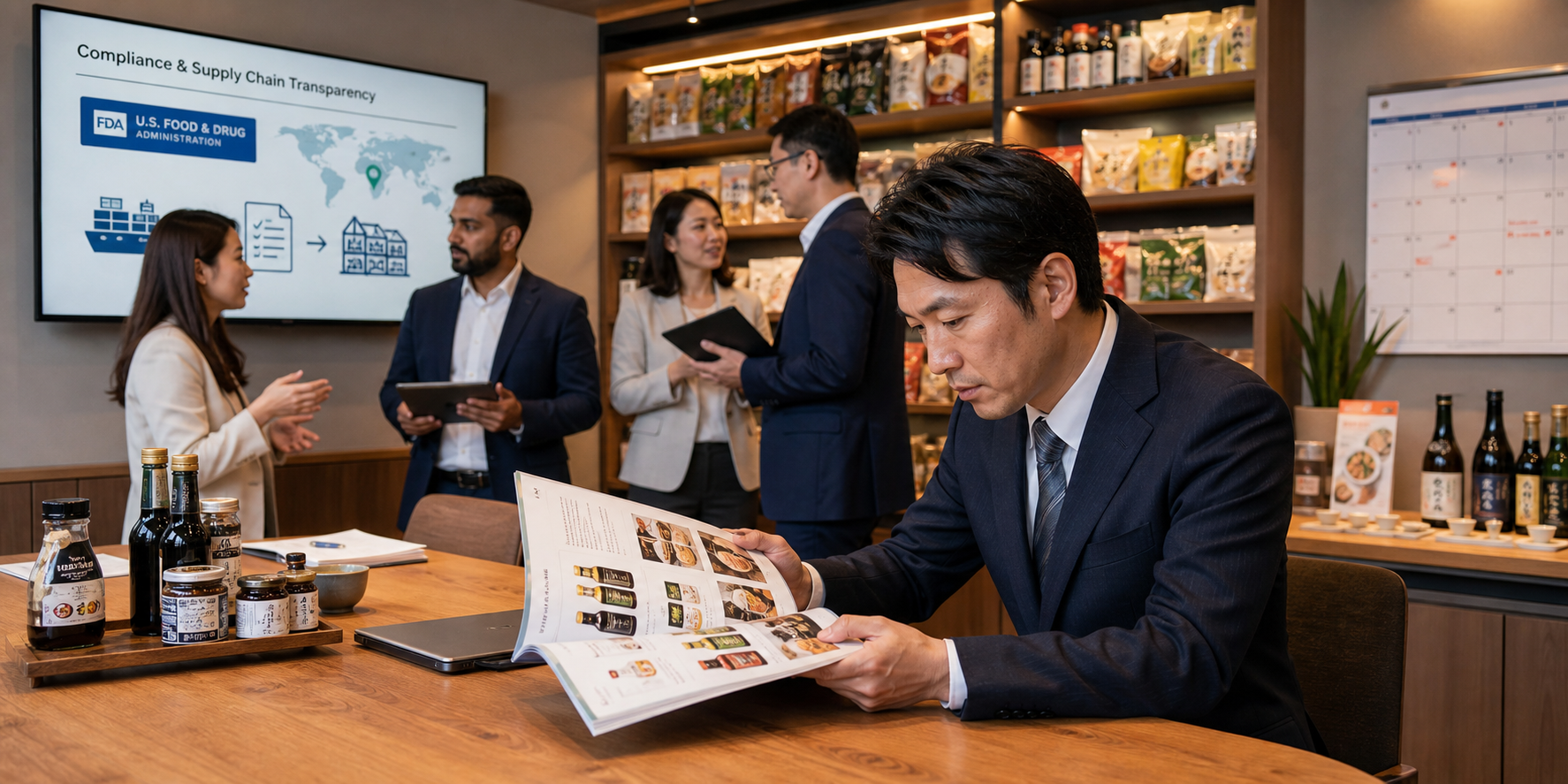
All food imports into the United States must comply with FDA regulations. Your wholesaler should be familiar with the Foreign Supplier Verification Program (FSVP) requirements.
FSVP requires importers to verify that foreign suppliers meet US food safety standards. This includes hazard analysis, supplier evaluation, and corrective action procedures.
Ask potential wholesalers how they handle FSVP compliance. A knowledgeable partner will have documentation ready and can explain their verification processes.
Should You Request Product Samples Before Ordering?
Absolutely. Sampling before committing to large orders protects your investment and ensures the products meet your quality expectations.
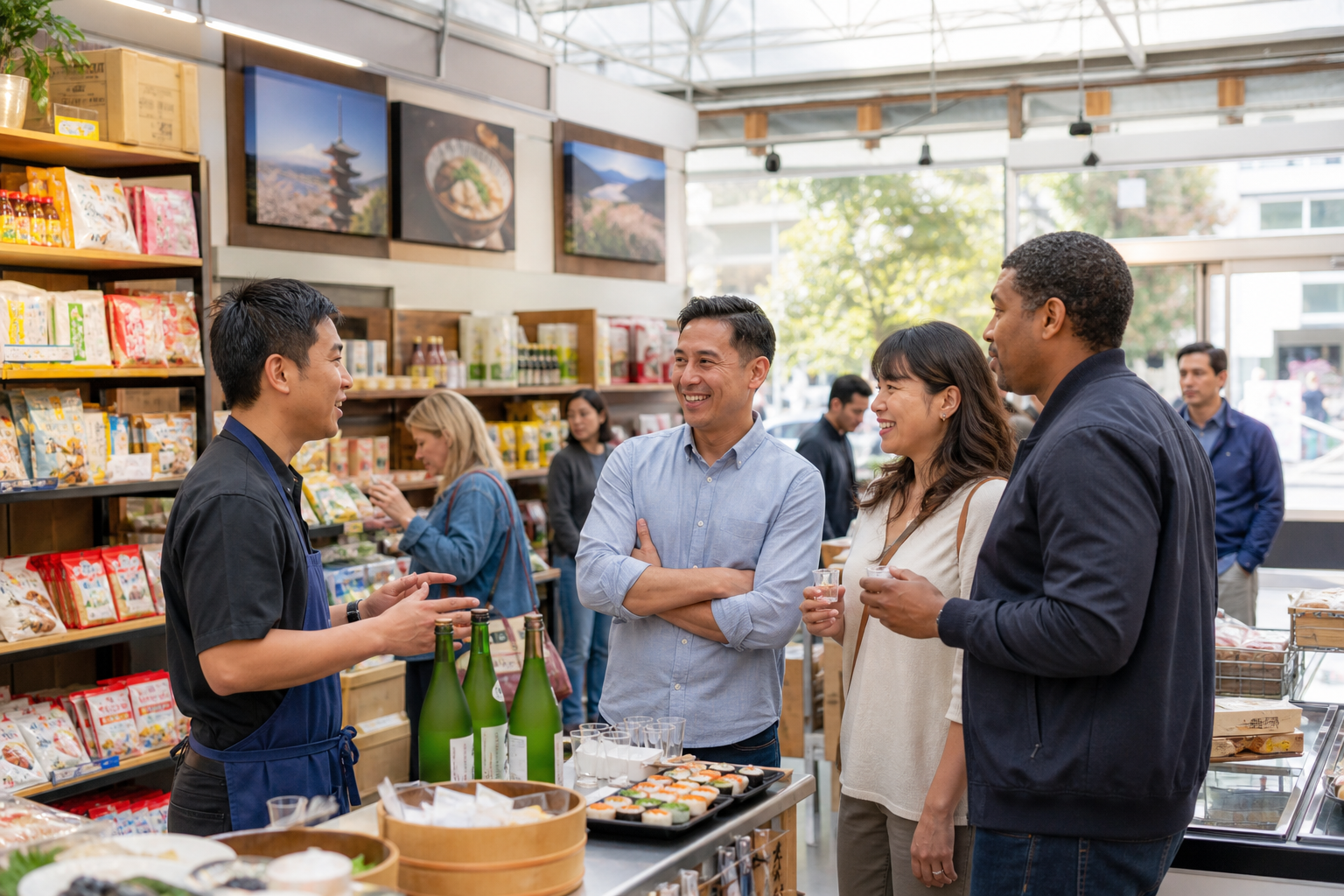
umamill Corp. offers a Japanese food sample request service that lets overseas buyers receive samples locally. This helps you evaluate products before purchase without the complexity of arranging international sample shipments yourself.
When sampling, assess flavor profiles, packaging integrity, shelf life, and how products compare to your current offerings or customer expectations.
What Questions Should You Ask Potential Wholesalers?
Prepare a list of questions before your first conversation. Here are essential topics to cover:
- What product categories do you specialize in?
- How do you handle temperature-controlled items during shipping?
- What is your typical lead time from order to delivery?
- Do you offer sampling programs for new customers?
- How do you ensure FDA and FSVP compliance?
- Can you share references from businesses similar to mine?
Their answers will reveal how well they understand your needs and whether they can deliver reliable service.
How Can Export Platforms Simplify the Process?
B2B export platforms connect buyers directly with Japanese manufacturers, streamlining product discovery and communication.
umamill Corp. operates as a B2B export platform for Japanese food that supports product discovery, sample requests, translation services, and export-related procedures. This helps you access a wider range of suppliers than traditional wholesaler relationships alone.
These platforms are particularly valuable if you want to source unique or hard-to-find products directly from Japanese producers.
In Conclusion: Building a Reliable Japanese Food Supply Chain
Choosing the right Japanese food wholesaler requires careful evaluation of their product range, experience, compliance practices, and communication quality. Take time to verify credentials, request samples, and ask detailed questions.
A strong wholesaler partnership gives you consistent access to authentic Japanese products while handling the complexities of international food trade. With the right partner, you can confidently expand your Japanese food offerings and meet growing customer demand for premium ingredients.
FAQs about How to Choose a Japanese Food Wholesaler
What is the most important factor when choosing a Japanese food wholesaler?
FDA compliance and supply chain transparency are critical starting points. A wholesaler must meet US import regulations and trace products to their source.
Beyond compliance, evaluate their product range and delivery reliability to ensure they can consistently meet your business needs.
How do I verify a wholesaler's FDA compliance?
Ask directly about their Foreign Supplier Verification Program (FSVP) procedures. Compliant wholesalers will have documentation showing how they evaluate foreign suppliers and verify food safety standards.
umamill Corp. supports export compliance by helping coordinate customs procedures and logistics for Japanese food shipments.
Can I request samples before placing a large order?
Yes, and you should. Sampling helps you verify product quality, freshness, and fit for your menu or retail assortment before committing significant inventory investment.
umamill Corp.'s sample request service lets buyers receive Japanese food samples locally, simplifying the evaluation process.
What types of Japanese food products can wholesalers supply?
Product categories include soy sauces, miso paste, nori seaweed, rice, sake, seasonings, snacks, frozen seafood, and specialty ingredients. Some wholesalers focus on specific categories while others offer broad selections.
Match your wholesaler's specialization to your product needs for better service and expertise.
How long does it typically take to receive orders from Japan?
Lead times vary based on product type, shipping method, and wholesaler location. Dry goods shipped by sea may take several weeks, while air-freighted items arrive faster at higher cost.
Discuss lead times upfront and plan your inventory accordingly to avoid stockouts.