
When sake and shochu struggle to expand in the United States, the constraint is often not quality. It is uncertainty about the first glass. On August 20, 2026, Food Dive reported that Sazerac was launching the Korean soju brand Dalho with 50-milliliter and 375-milliliter formats, original and fruit flavors, and a deliberately approachable proposition for younger consumers of legal drinking age. The article cited an IWSR forecast, supplied by Sazerac, that U.S. soju volume would grow at a 16% annual rate through 2029. It also identified category confusion, including consumers mistaking soju for sake, and the absence of an obvious entry serve comparable to a Margarita.
This is reporting about Korean soju, not direct evidence that sake or Japanese shochu demand will grow at the same rate. Its value is as a competitive case study in how an unfamiliar Asian alcohol category can lower first-purchase risk. The lesson is not that Japanese producers should sweeten every product or dilute tradition. It is to design three elements together: a small unit of trial, one memorable serve, and one sentence that makes the difference clear.
Contents
- Three sources of friction in the Food Dive story
- Designing an entry product for sake or shochu
- Balancing flavor accessibility and authenticity
- Education in retail, restaurants, and events
- Economics and regulatory cautions for small formats
- A 12-week validation program
- Metrics and common mistakes
- Conclusion and next steps
1. Three Sources of Friction in the Food Dive Story
The first friction is purchase volume. Dalho's 50-milliliter and 375-milliliter options let a newcomer try the category alone or compare flavors without committing to a shared bottle. Pack size is not merely a logistics specification; it determines how much financial and emotional risk a consumer accepts.
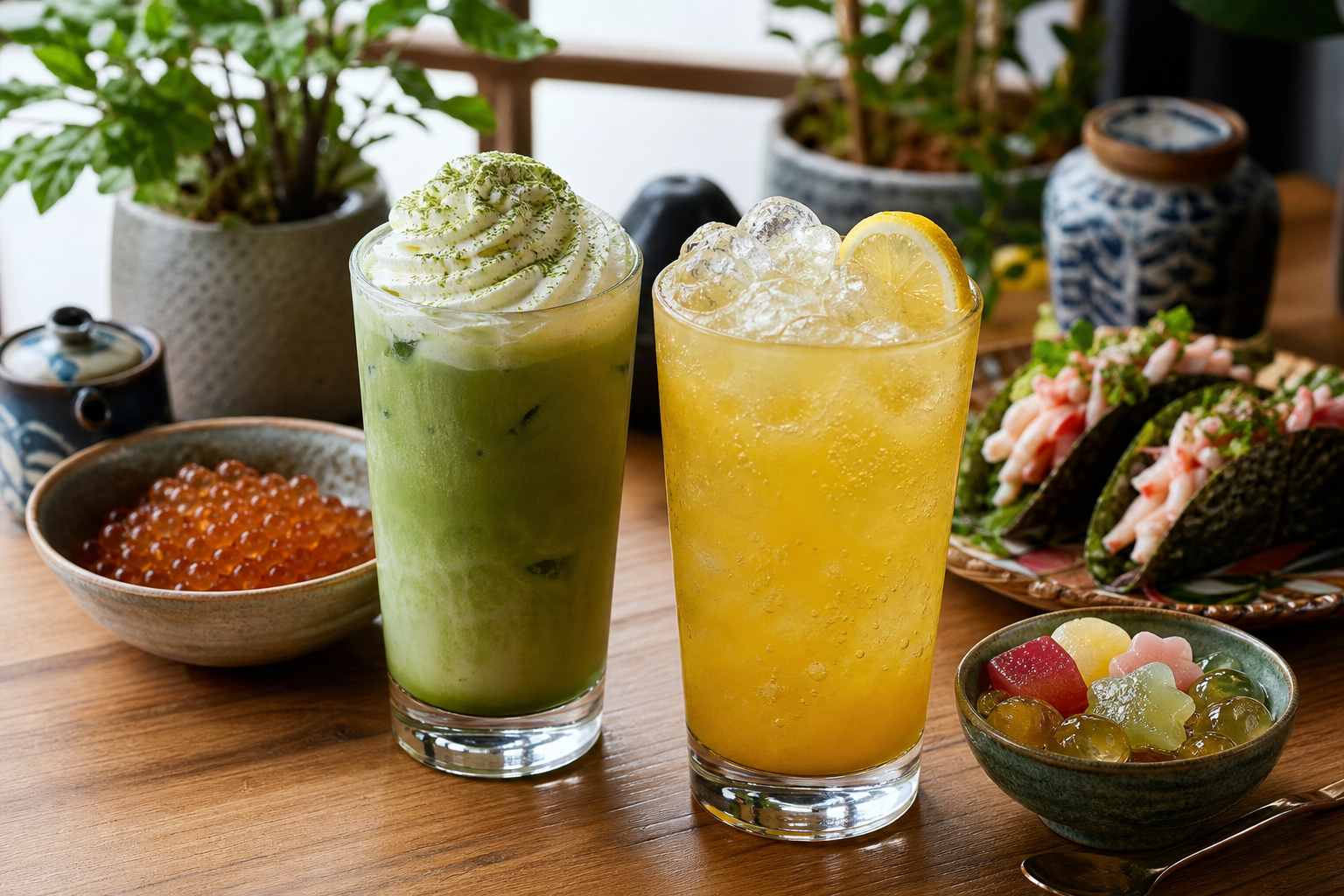
The second friction is flavor choice. Dalho offers original, peach, strawberry, and lychee. Food Dive connected flavor-forward products to interest among younger legal-age drinkers. That does not mean sake and shochu should copy the flavor list. It means that a shopper benefits when a menu or label makes the expected taste easy to predict.
The third friction is category explanation. The article noted that consumers can be unsure what soju is, confuse it with sake, or lack an obvious starter drink. Sake brings its own questions: hot or cold, what ginjo means, and whether it works beyond sushi. Shochu raises questions about ingredients, serving style, and its difference from Korean soju. Too much explanation makes the category look difficult; too little fails to communicate value.
2. Designing an Entry Product for Sake or Shochu
An entry product is not simply the least expensive item. It is the easiest product to understand, enjoy successfully, and use as a bridge to a second purchase. Start with who will drink it, where, in what amount, and with which food. A sake entry might be one chilled wine-glass pour described for grilled chicken or cheese. A shochu entry might be a barley shochu highball with soda and citrus. Do not lead by teaching rice polishing, koji, or distillation pressure. Lead with taste direction and the shape of one glass.
Small-format options include mini bottles, cans, tasting packs, small restaurant pours, and paid event flights. A brewery that cannot create a new package can still work with an importer and restaurant to define 30- to 60-milliliter pours and sell a structured three-item comparison. The point is not to give away samples. It is to help the guest decide what to buy and how to drink it next.
Give each entry SKU a role, not only a product name: “first junmai,” “barley shochu for dinner,” or “umeshu with dessert.” A short English description should prioritize sensory language and occasion, such as “dry, clean, and made for grilled food” or “toasty barley shochu for a simple highball.” The language must match the liquid and avoid exaggeration.
3. Balancing Flavor Accessibility and Authenticity
Fruit products and RTDs can invite trial, but they can also define the entire brand as sweet. Position flavor as a bridge to another occasion, not as a substitute for core sake or shochu. A yuzu or ume low-alcohol product can lead to an aromatic ginjo. A barley-shochu highball can lead to a rocks serve with dinner. Create entry, standard, and exploration tiers with different prices, serves, and levels of explanation.
Choose flavors using supply and repeatability, not trend alone. Confirm fruit origin and percentage, harvest variability, aroma stability, sediment, color, and quality after opening. Even when the flavor is made immediately understandable for the U.S. market, state where Japanese ingredients and brewing skill create value. A generic sweet “Asian” positioning leaves the product vulnerable to price competition from larger brands.
Authenticity does not require a difficult first impression. Put one taste and one occasion on the surface, then use the back panel or a QR destination for ingredient, method, region, and maker. Tradition can provide depth after the first successful glass instead of acting as a gate before it.
4. Education in Retail, Restaurants, and Events
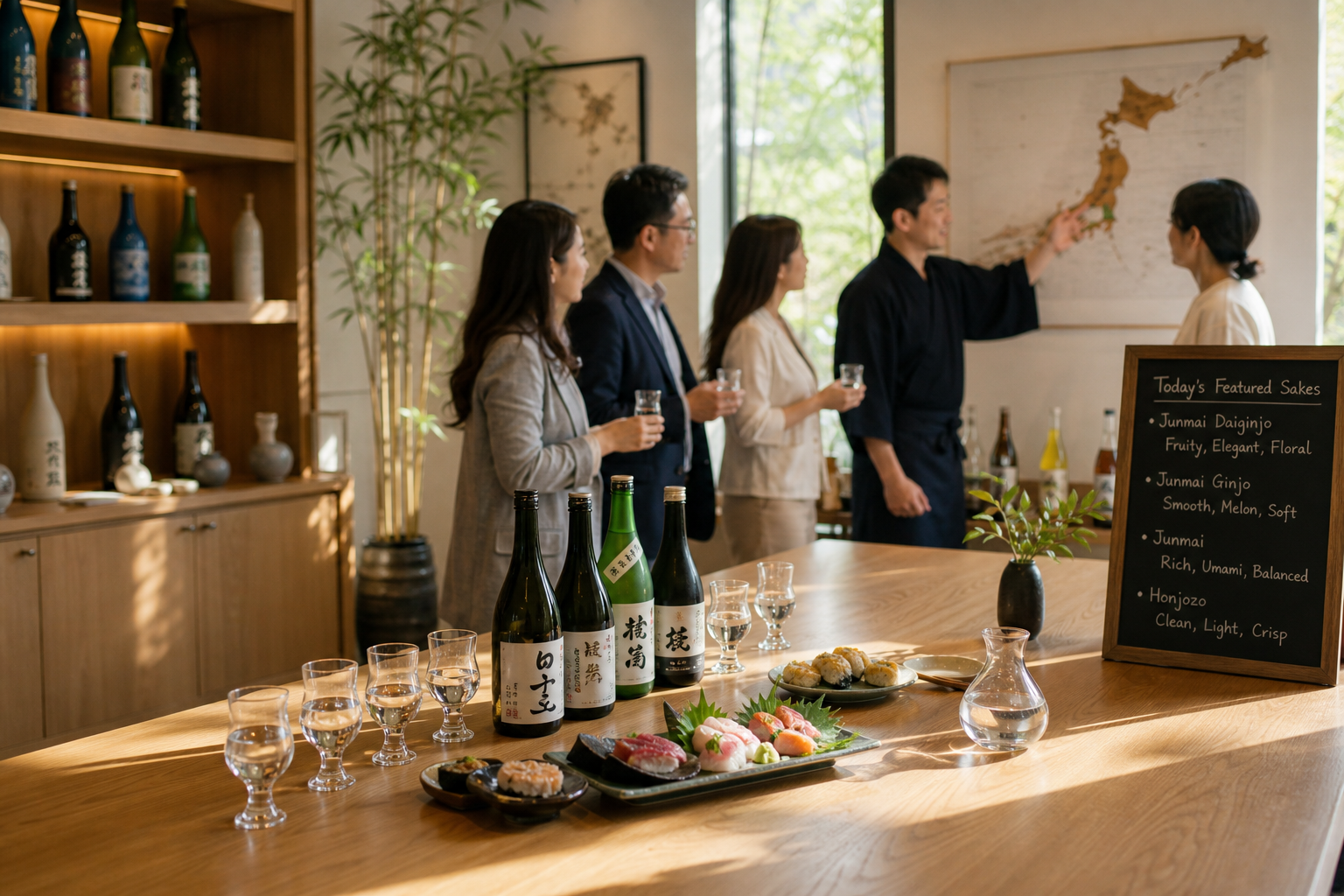
Retailers should not depend only on the sake shelf. Test links to Asian spirits, low-alcohol, table beverages, RTDs, and gifting. Shelf communication can use four short fields: taste, temperature, food, and format. A tasting set should specify order and pour size so the consumer can reproduce the experience at home.
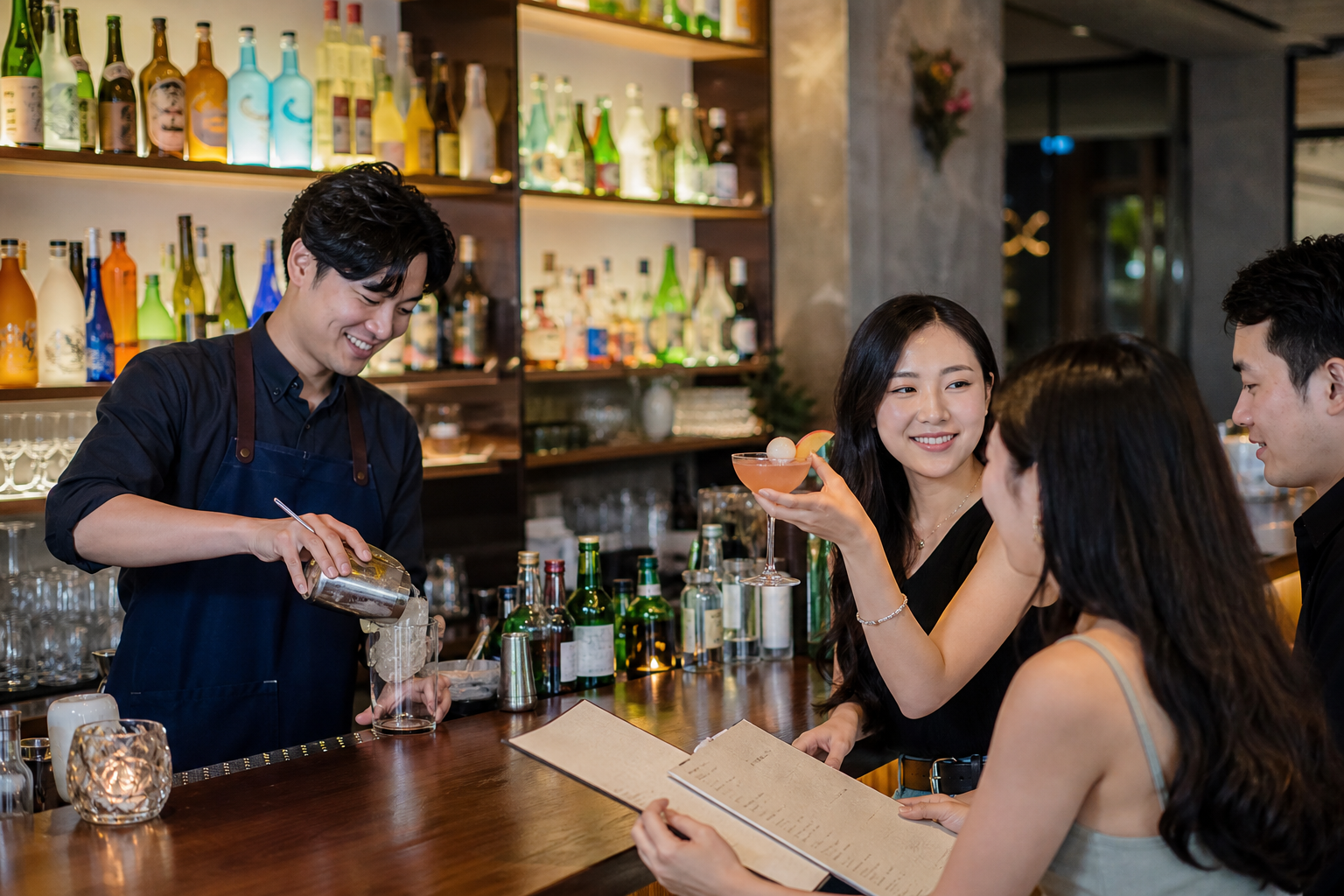
Restaurant staff need a 30-second explanation. For each product, create a card with a familiar comparison, three flavor words, one food pairing, and one explanation to avoid. Menus should include the serve, not only a brewery name and technical term. “Barley shochu highball with lemon” gives a cocktail drinker an obvious starting point. Outside Japanese restaurants, tie the item to food that has been tested, such as oysters, fried chicken, smoked foods, cheese, or chocolate.
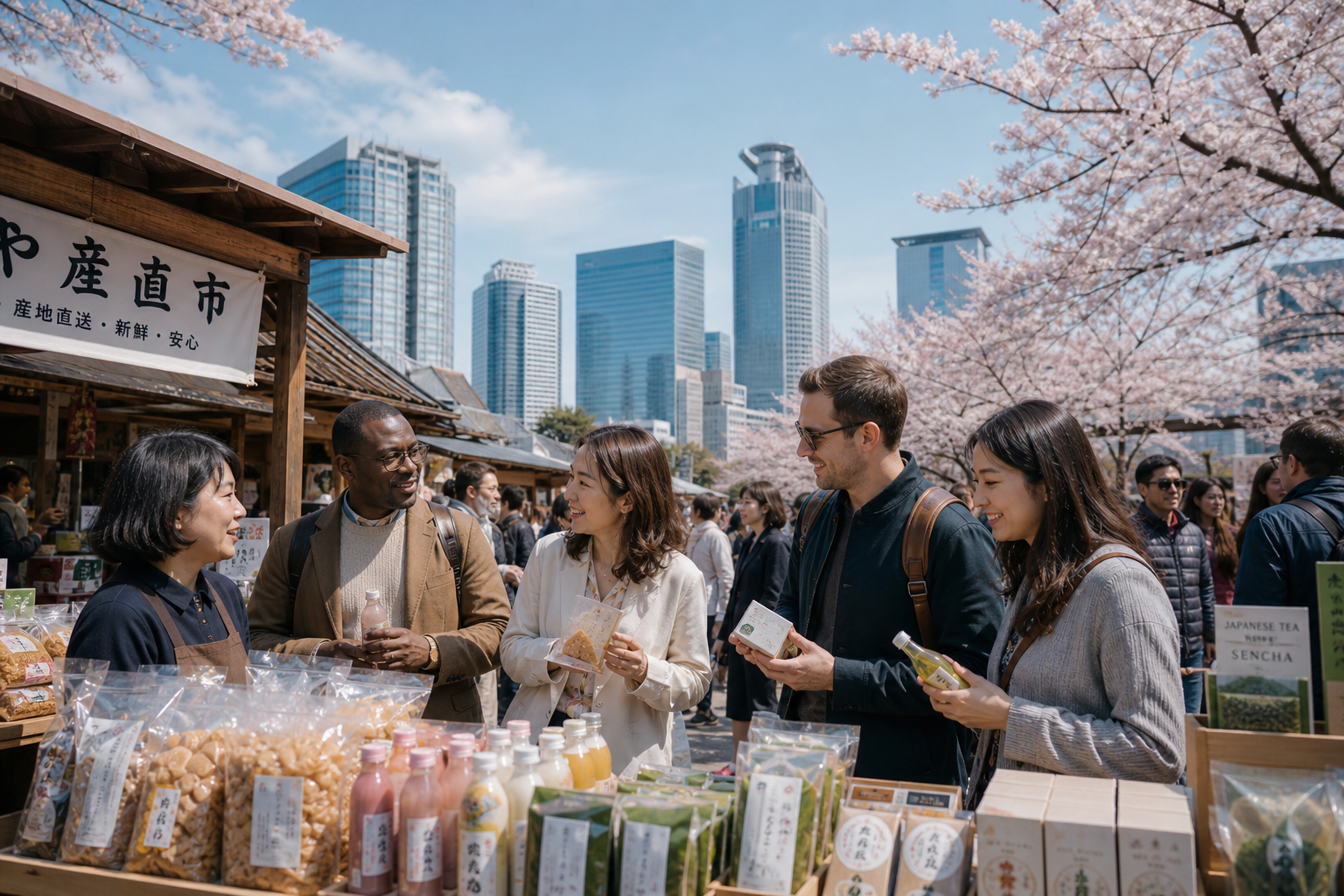
Events should measure learning, not just attendance. Ask what attendees thought the category was before tasting, what they preferred afterward, and what they intend to purchase. Connect tasting to a retail or restaurant location with a QR code or offer. Structure the flight from a lighter entry to a more distinctive product. Age verification, pour limits, venue rules, and state law remain fundamental.
5. Economics and Regulatory Cautions for Small Formats
Small formats reduce commitment but increase container, filling, label, packing, and freight cost per milliliter. Breakage and case handling may also rise. Model the format as a separate business, working backward from a realistic retail price and including wholesale, import margin, promotion, logistics, tax, breakage, and pack assembly.
Before adopting a small bottle or can, verify U.S. alcohol labeling, container, tax, state distribution, and deposit requirements. Restaurant sampling, opening, storage, resealing, and take-home rules can vary. The 50-milliliter soju example is an idea source, not proof that the same specification is legal or economical for sake or shochu. Alcohol, import, tax, and legal specialists must review the program.
Small formats also multiply SKUs. Hold one axis steady in the first test: one liquid in two sizes, or one size in two flavors. Changing size and flavor simultaneously makes it difficult to identify what caused sales.
6. A 12-Week Validation Program
In weeks one and two, document category misconceptions. Show the product to retail staff, bartenders, and consumers and ask what they think it is, how they would drink it, and what price they expect. In weeks three and four, build a one-sentence description, a standard serve, and a comparison point. In weeks five through eight, test in four settings: specialty retail, conventional beverage retail, a Japanese restaurant, and a non-Japanese restaurant. Include paid flights and by-the-glass sales, not only free sampling.
In weeks nine and ten, examine movement from entry to the next product. Does a mini buyer purchase a standard bottle? Does a flavored-product buyer try an unflavored item? Does a highball drinker order the same spirit with food? In weeks eleven and twelve, select the continuing SKUs using sales, gross margin, training time, reorders, waste, breakage, and staff recommendation rates.
Set the pass criteria before the test. Useful measures include tasting-to-purchase conversion, four-week repurchase, account reorder, conversion to standard format, and gross margin per serve. The threshold should reflect the company's economics and channel, not an invented universal benchmark.
7. Metrics and Common Mistakes
The key measure is whether the entry creates a next action. If minis sell but no one moves to a standard bottle, the program remains a sampling business. If only fruit flavors sell, the importer should reassess whether the core liquid's value is being communicated. Track the complete chain from tasting to purchase, purchase to repeat, entry SKU to standard SKU, and staff explanation to unaided name ordering.
Common failures include treating technical vocabulary as education, serving every product in the same glass and at the same temperature, equating youth with sweetness, overpricing the small format, and failing to show where the product can be purchased after tasting. Importers must also avoid applying the soju growth forecast directly to sake or shochu. Competitive growth can expand awareness of Asian alcohol, but it can also compete for shelf space and attention.
8. Conclusion and Next Steps
The most useful lesson from Food Dive is that growth in an unfamiliar alcohol category requires a unit that is easy to try, a flavor that is easy to predict, and a serve that is easy to remember. Sake and shochu do not lose their tradition when the first step becomes clearer. A successful first glass gives consumers a reason to explore the deeper story of method, region, and maker.
Businesses assembling an entry set of sake, shochu, umeshu, yuzu liqueur, snacks, and serving accessories can use umamill Co., Ltd.'s roughly 7,000-SKU lineup as a product-discovery resource. Define the target state, license structure, channel, format, price, and serve first, and use specialist regulatory review alongside a focused comparison test.
-------------------------------------------------
Source
“Sazerac enters fast-growing soju market,” Food Dive, August 20, 2026https://www.fooddive.com/news/sazerac-expands-soju-segmen-dalho/828364/