
Recent Articles
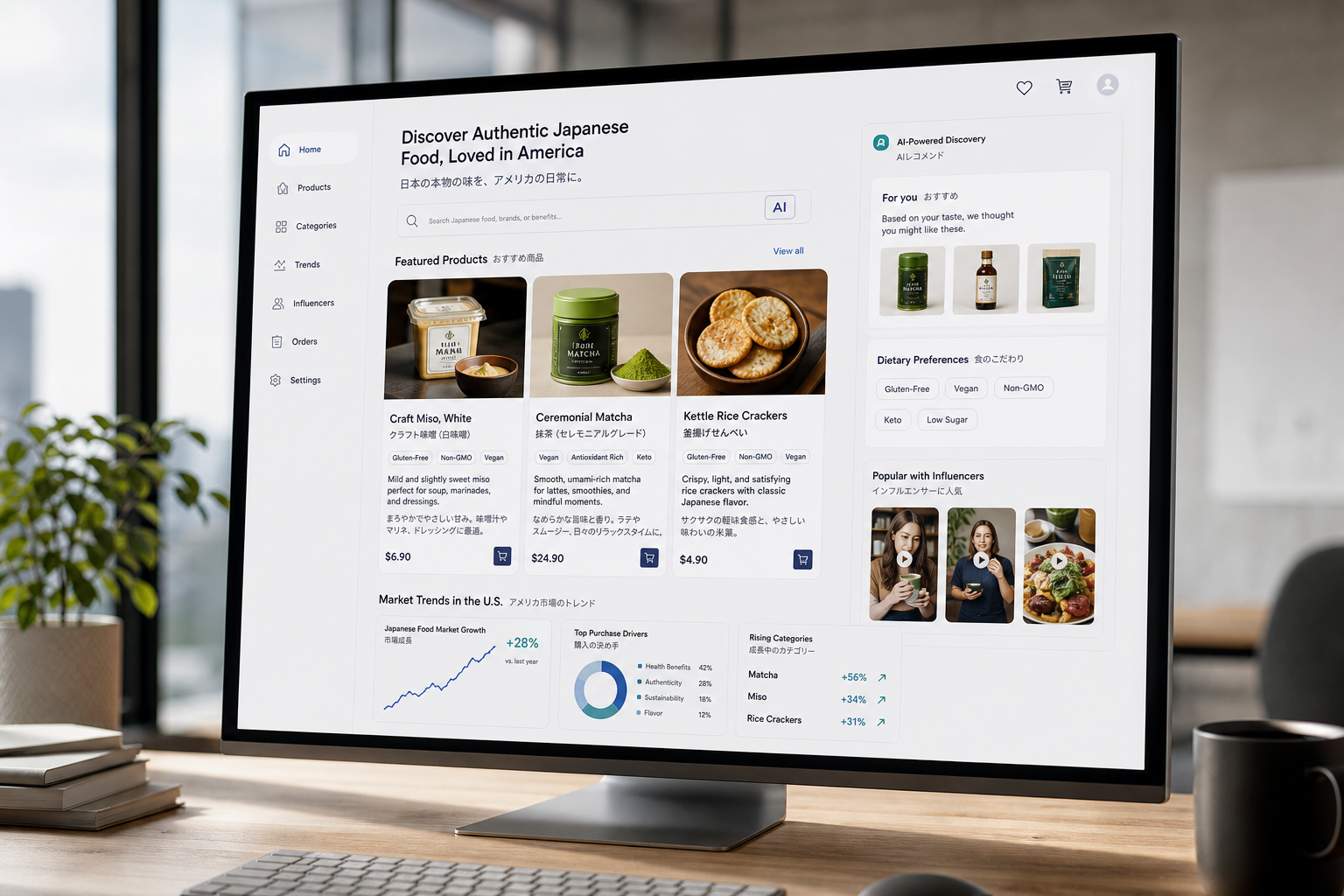
Selling Japanese food in the United States now requires more than translating a product name and listing it on Amazon....
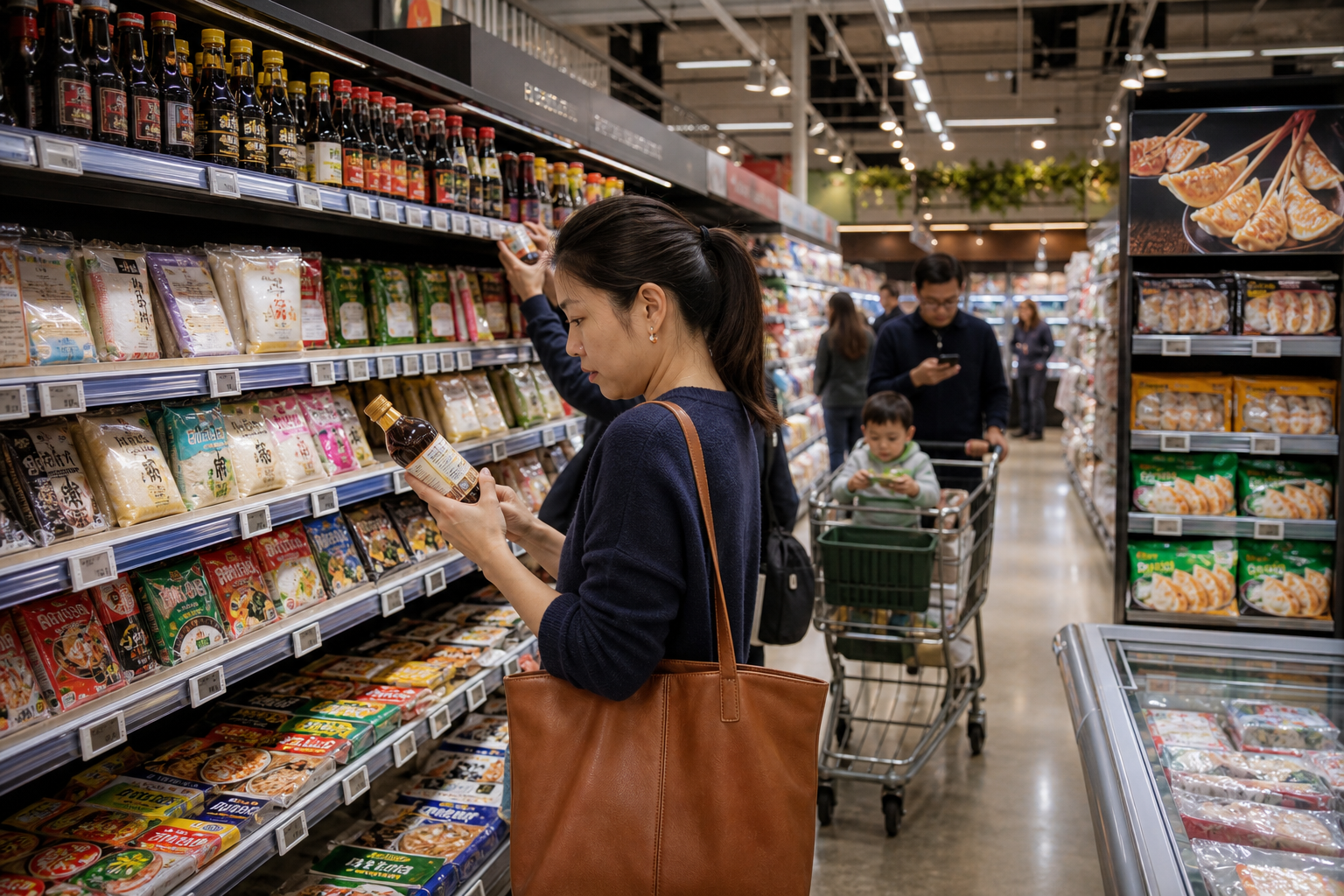
Premium positioning alone can no longer absorb the cost of importing food into Australia. Inside FMCG reported on 7...
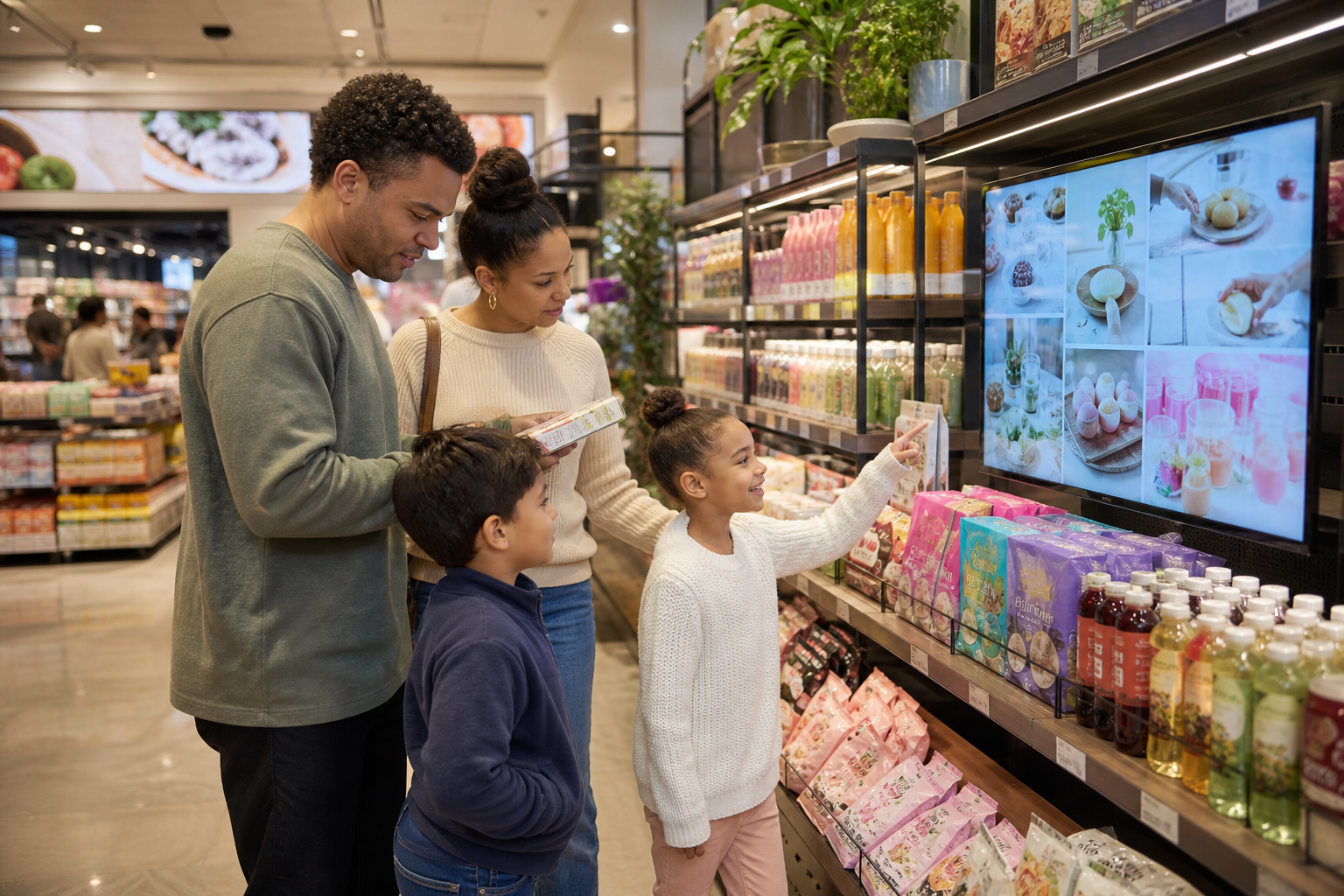
Building the next generation of Japanese food customers in the United States requires more than winning shelf space....
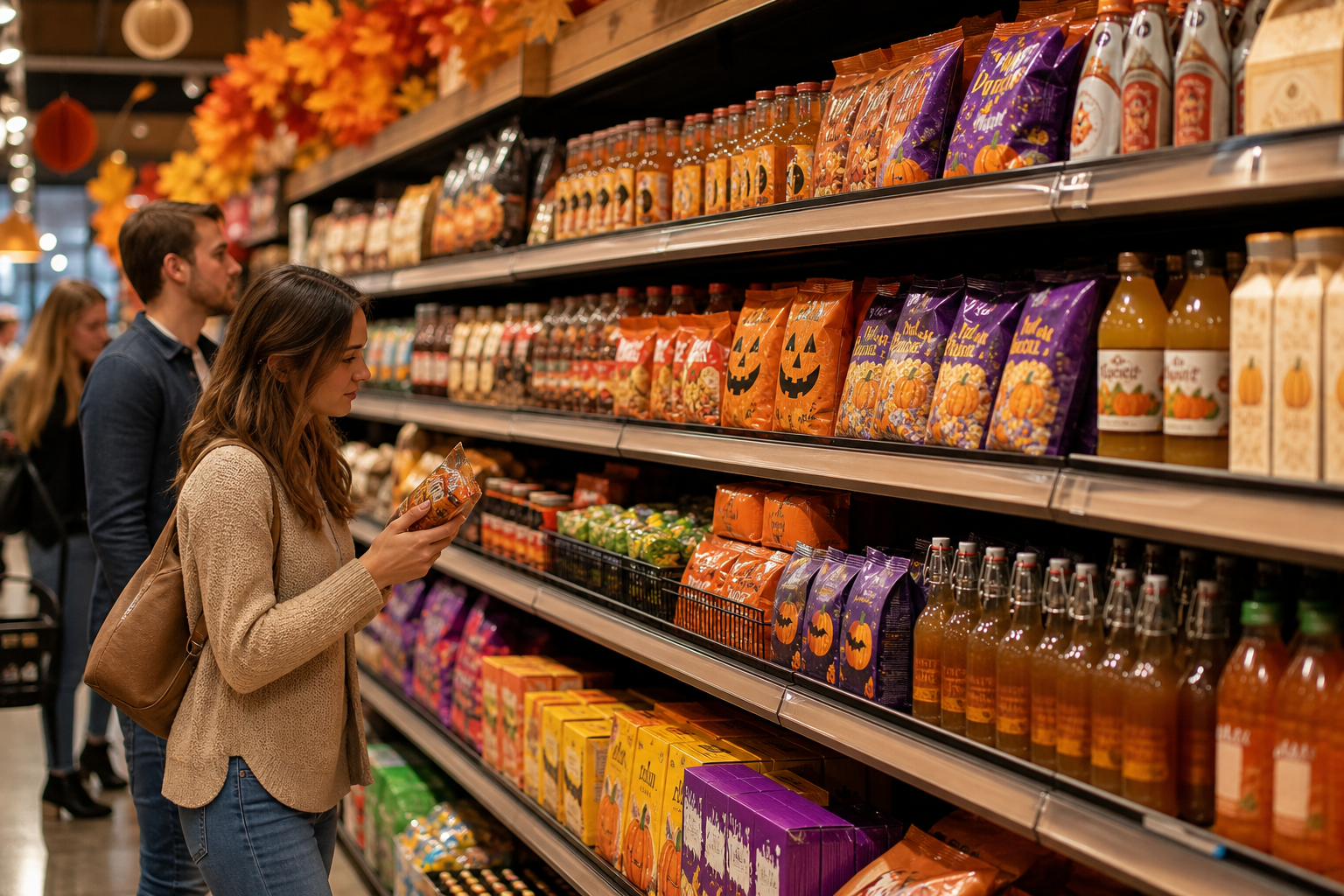
A U.S. seasonal launch is not finished when a limited package leaves the factory. Retail reset dates, promotional...

For Japanese sweets, bakery, and tea brands, the U.S. growth of other East Asian bakery cafes is a useful comparison....
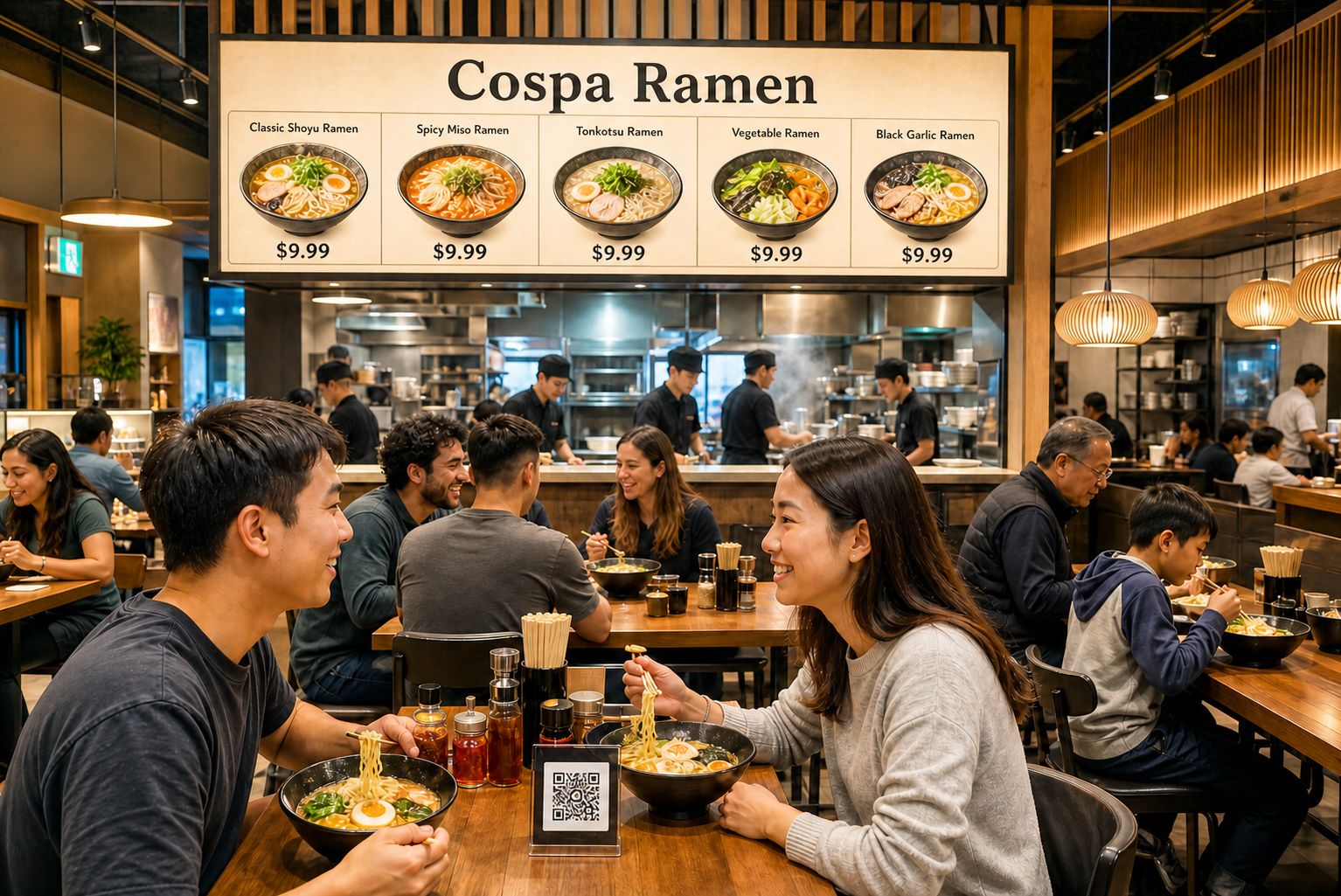
Why a $9.99 Bowl Matters Now Growth in the U.S. Japanese food market does not depend only on raising quality or...

Sourcing OEM (contract-manufactured) and private-label Japanese food products can be an effective way to differentiate...
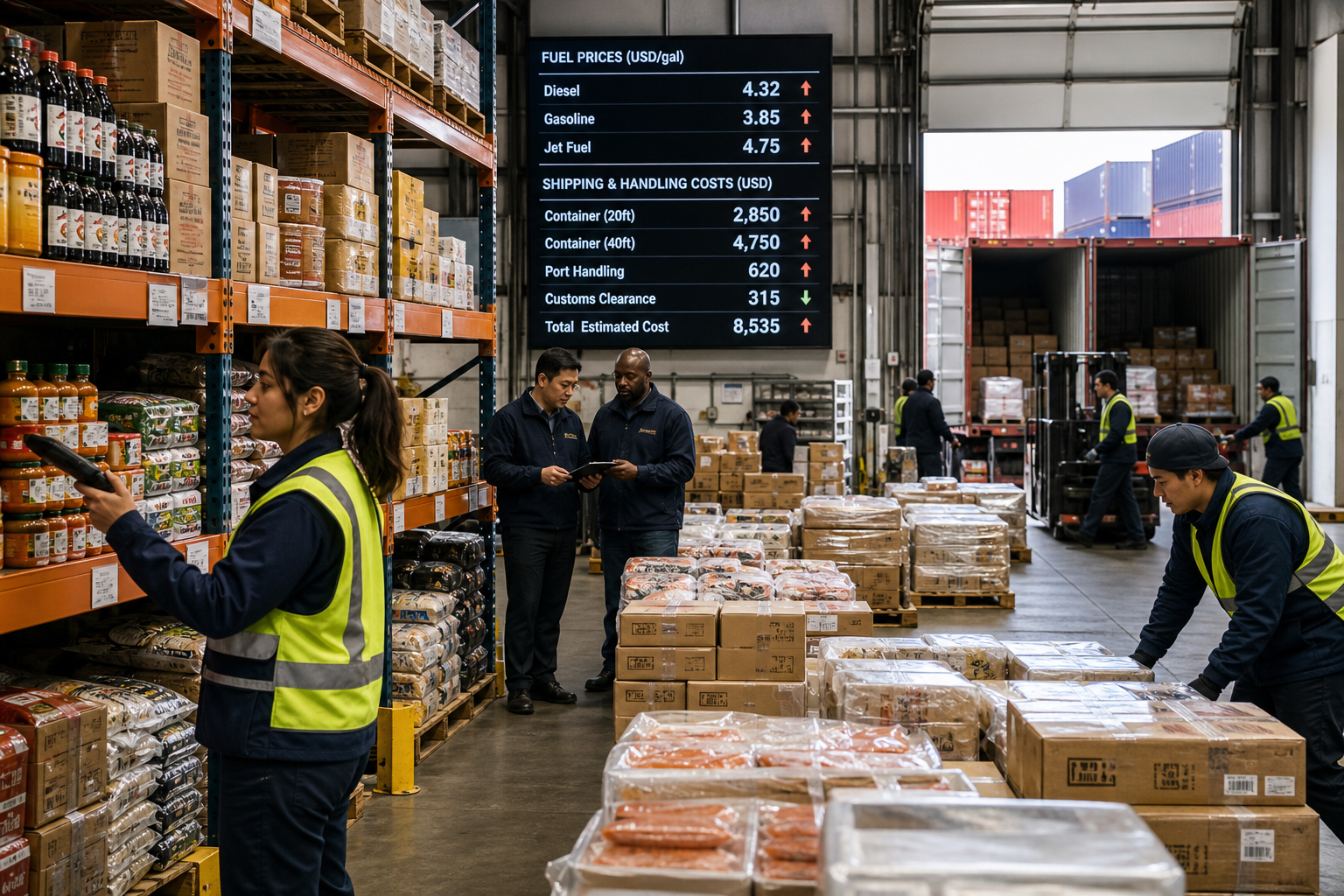
Fuel Is Not One Line Item; It Compounds Across Food Distribution
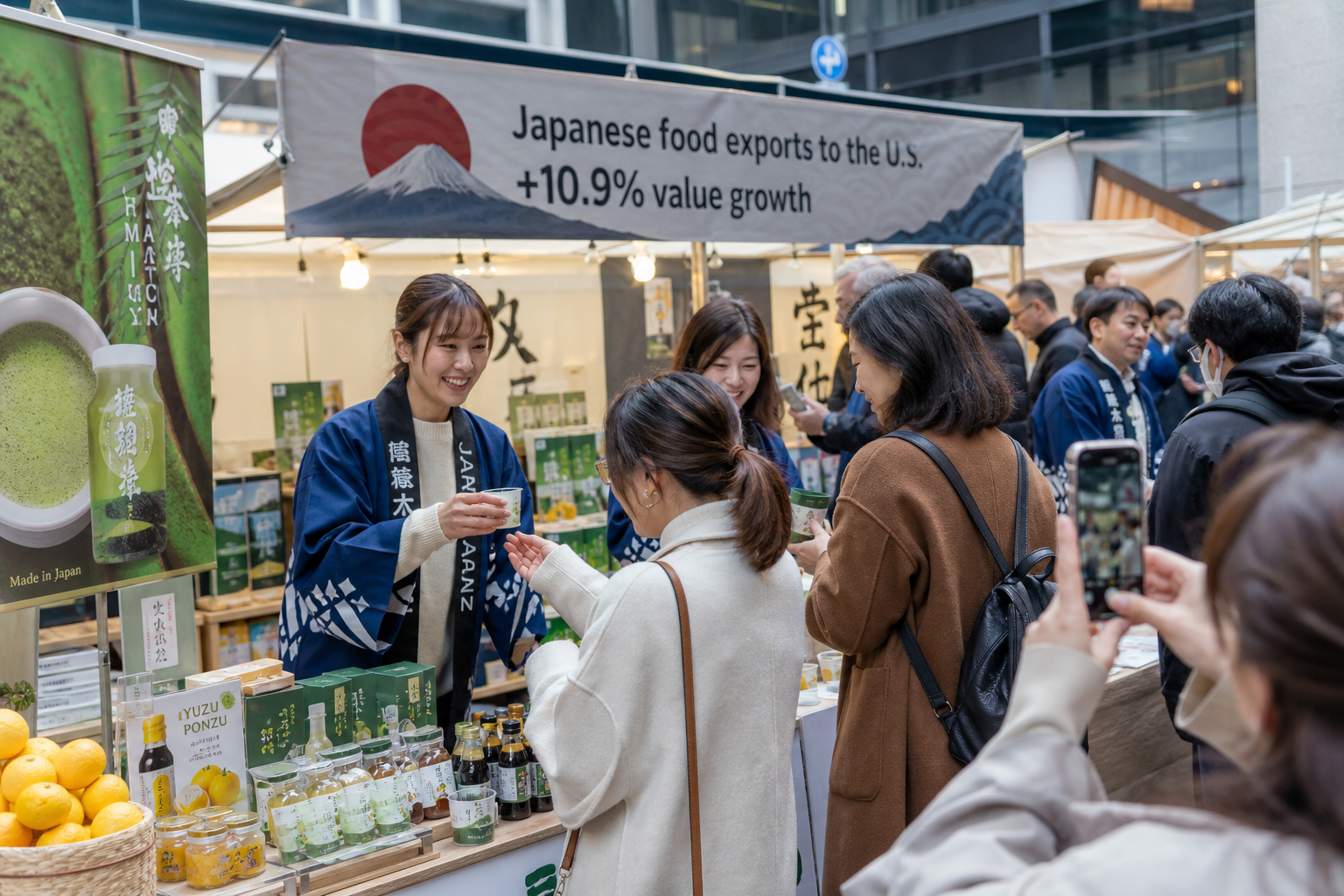
Why Importing Japanese Food to the U.S. Is Gaining Momentum in 2026 Japan's agricultural, forestry, and fishery exports...