
Recent Articles
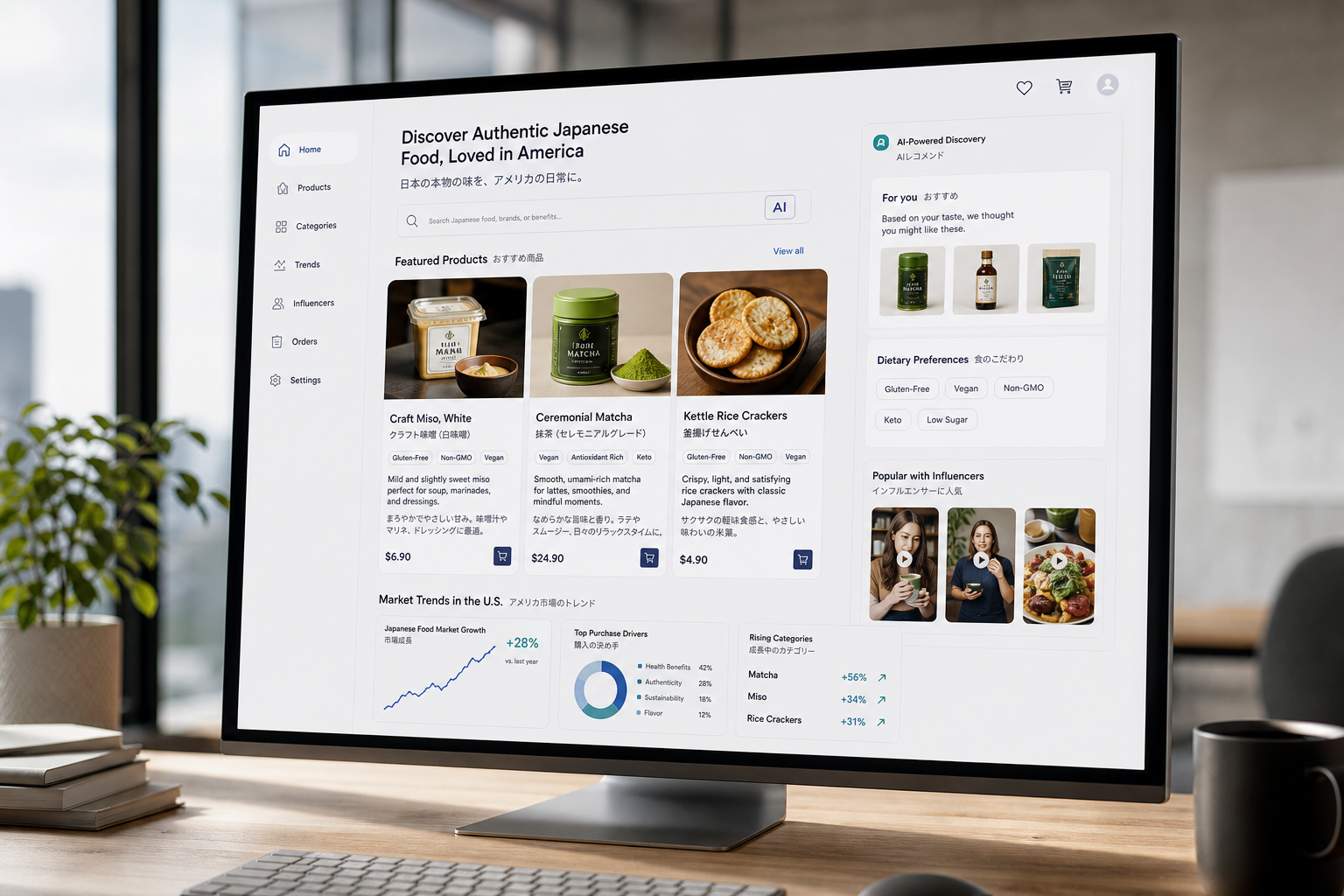
Selling Japanese food in the United States now requires more than translating a product name and listing it on Amazon....
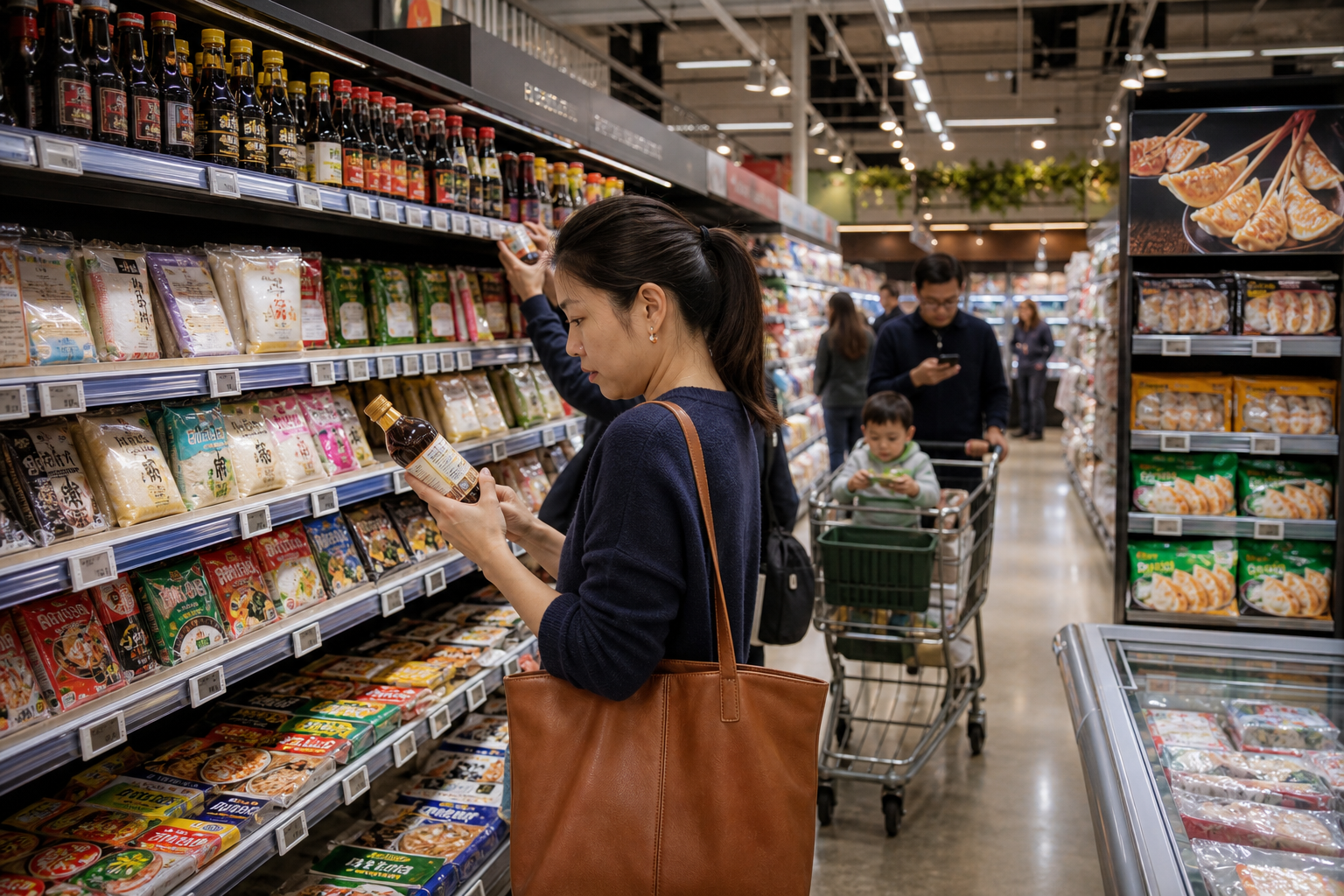
Premium positioning alone can no longer absorb the cost of importing food into Australia. Inside FMCG reported on 7...
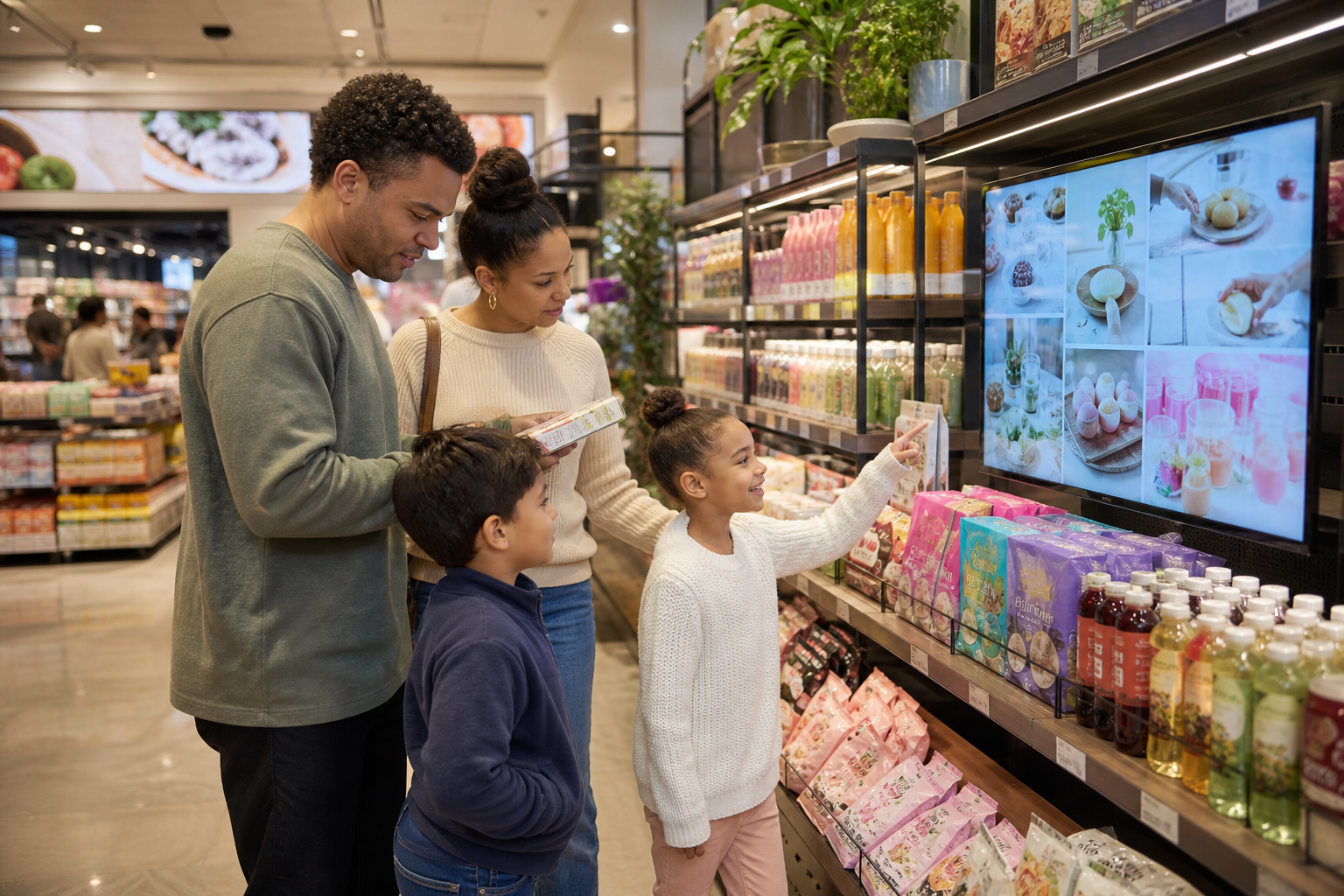
Building the next generation of Japanese food customers in the United States requires more than winning shelf space....
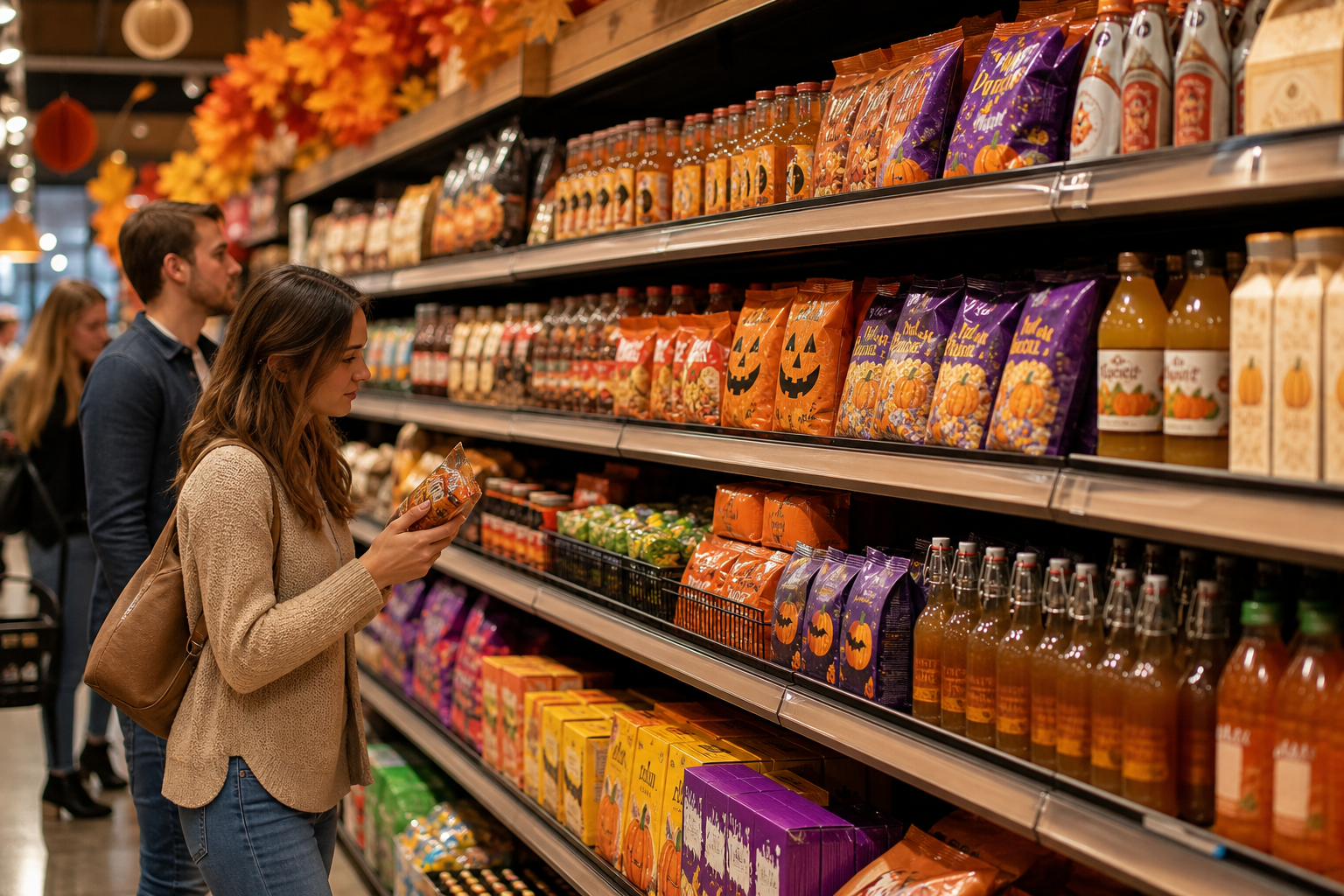
A U.S. seasonal launch is not finished when a limited package leaves the factory. Retail reset dates, promotional...

For Japanese sweets, bakery, and tea brands, the U.S. growth of other East Asian bakery cafes is a useful comparison....
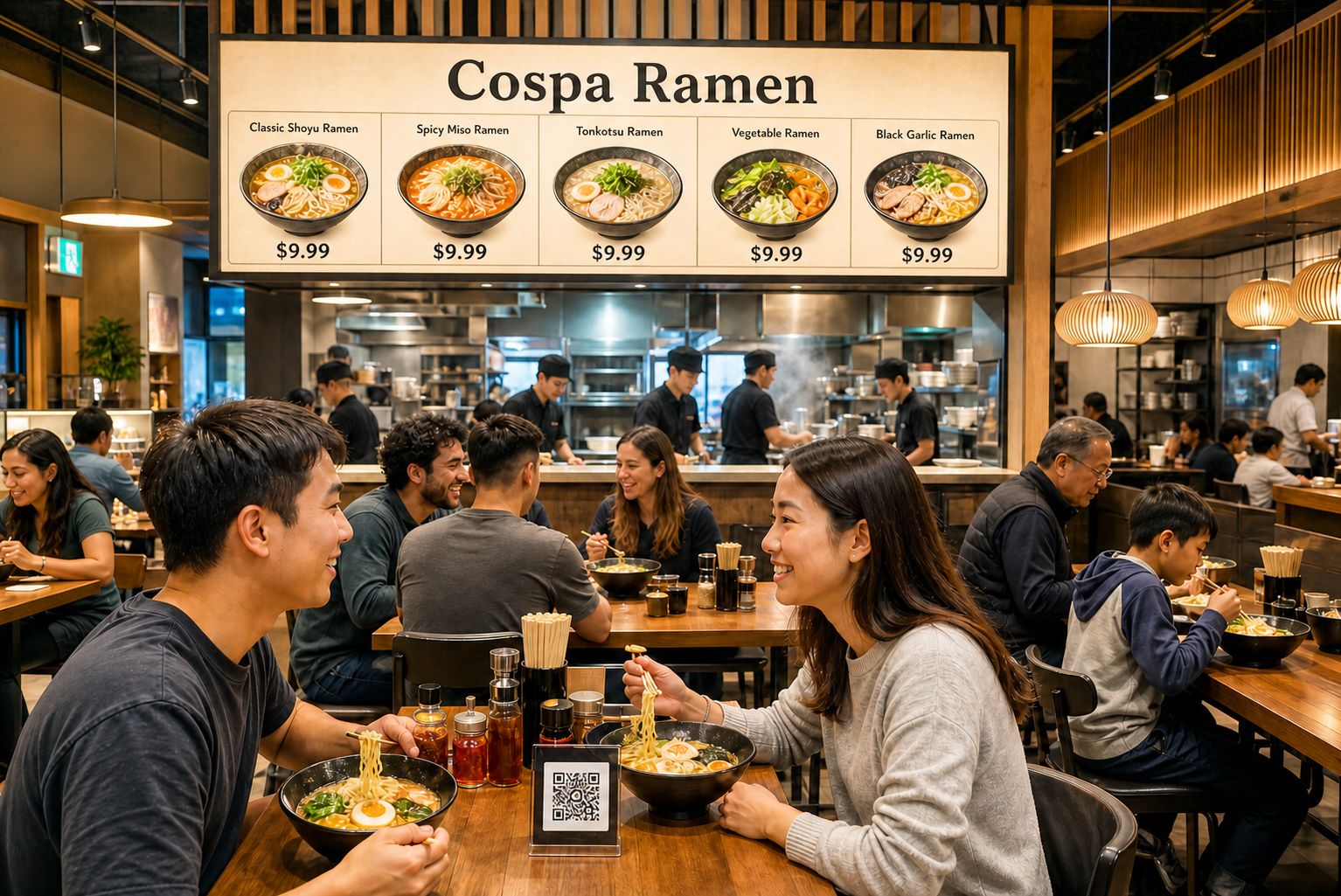
Why a $9.99 Bowl Matters Now Growth in the U.S. Japanese food market does not depend only on raising quality or...

Sourcing OEM (contract-manufactured) and private-label Japanese food products can be an effective way to differentiate...
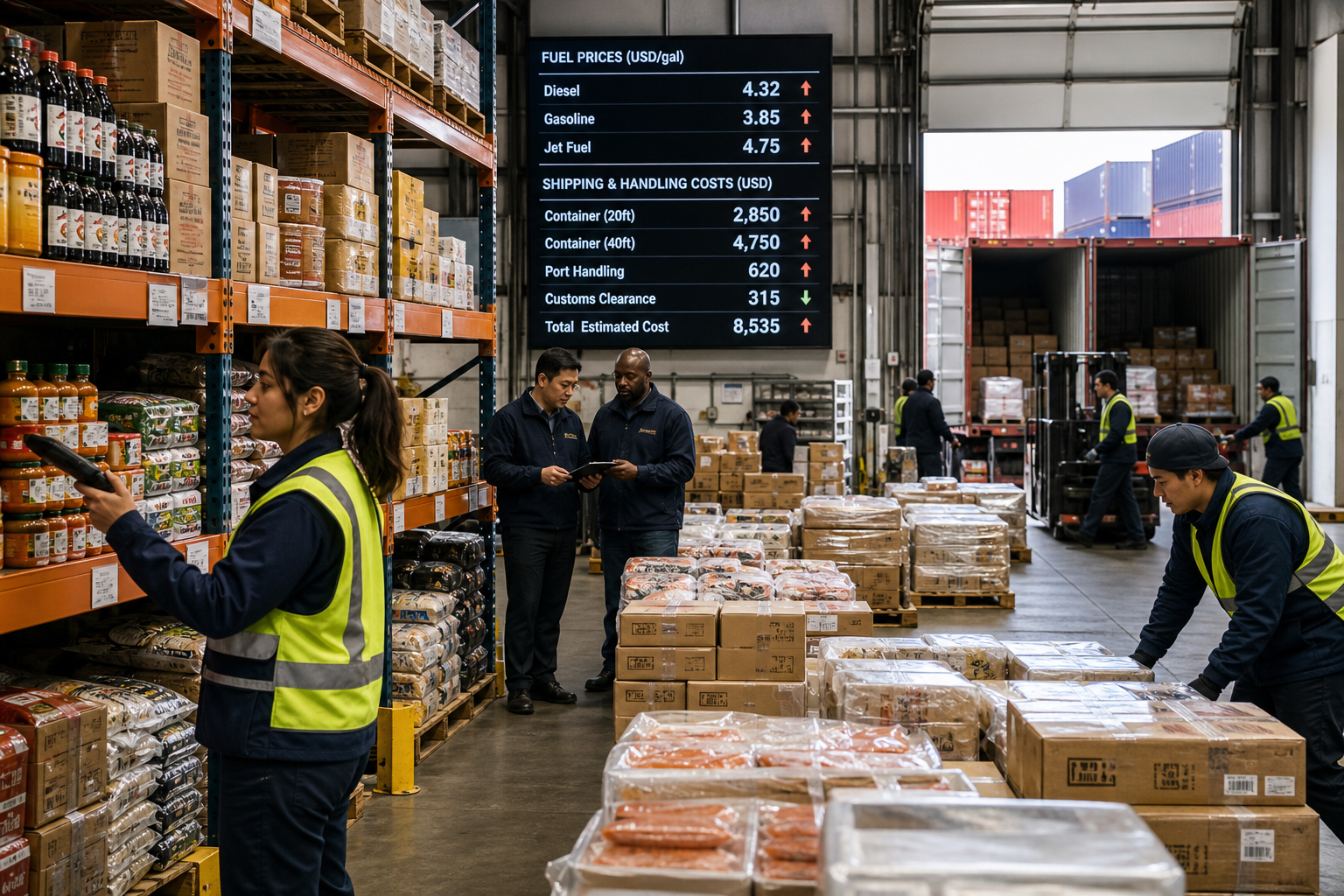
Fuel Is Not One Line Item; It Compounds Across Food Distribution
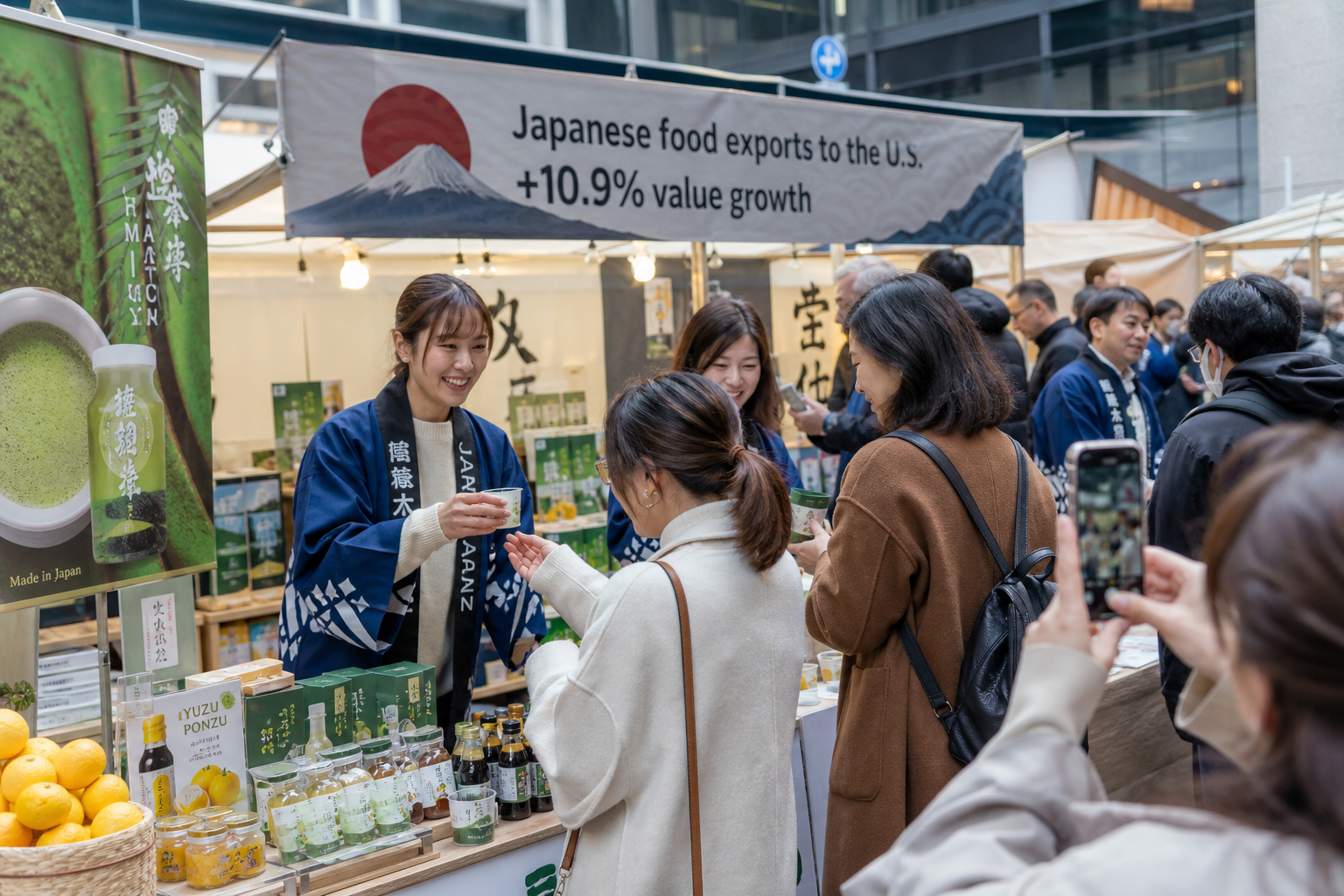
Why Importing Japanese Food to the U.S. Is Gaining Momentum in 2026 Japan's agricultural, forestry, and fishery exports...
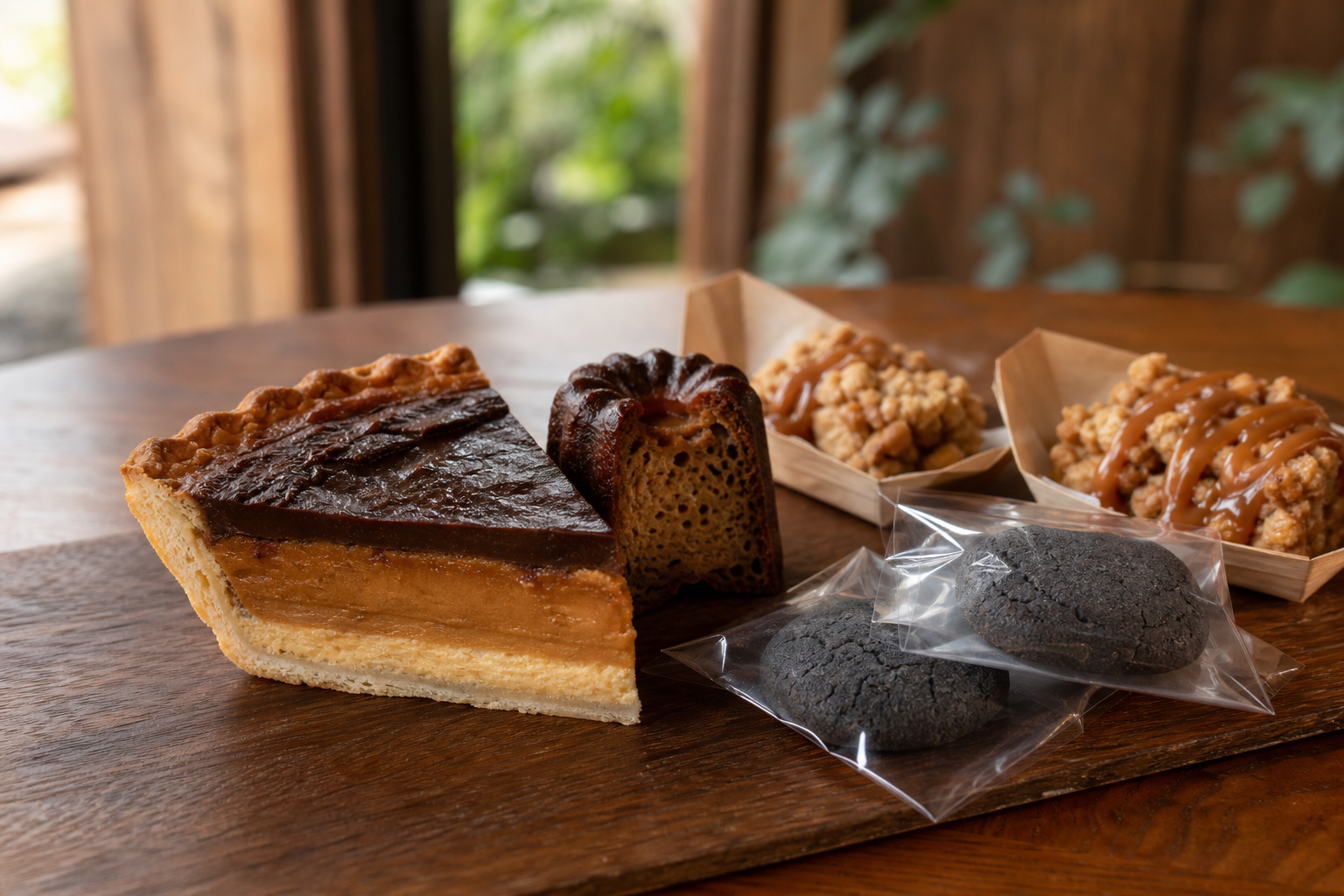
Even when U.S. consumers tighten their budgets, they do not eliminate pleasure. They often replace a major splurge with...
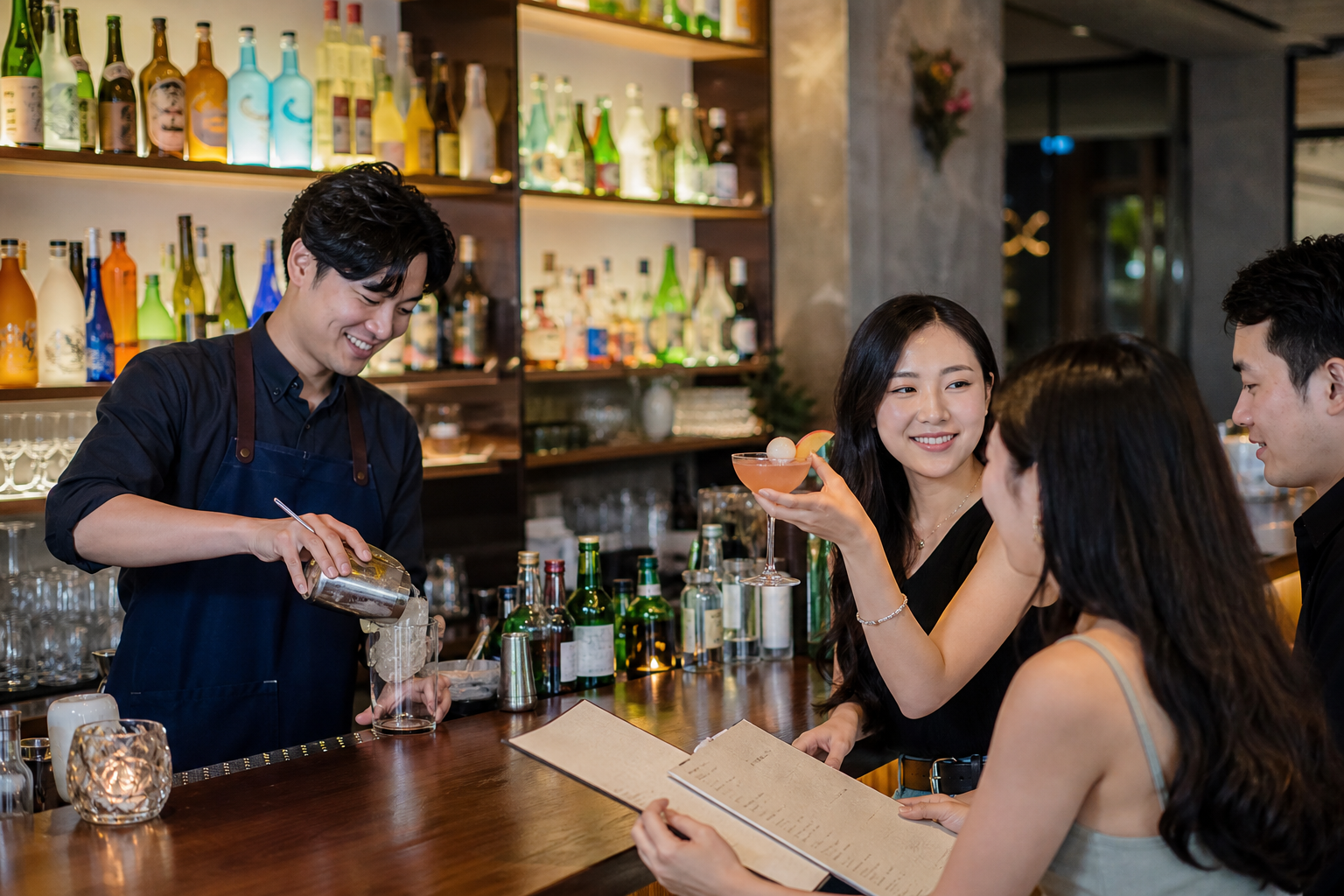
When sake and shochu struggle to expand in the United States, the constraint is often not quality. It is uncertainty...
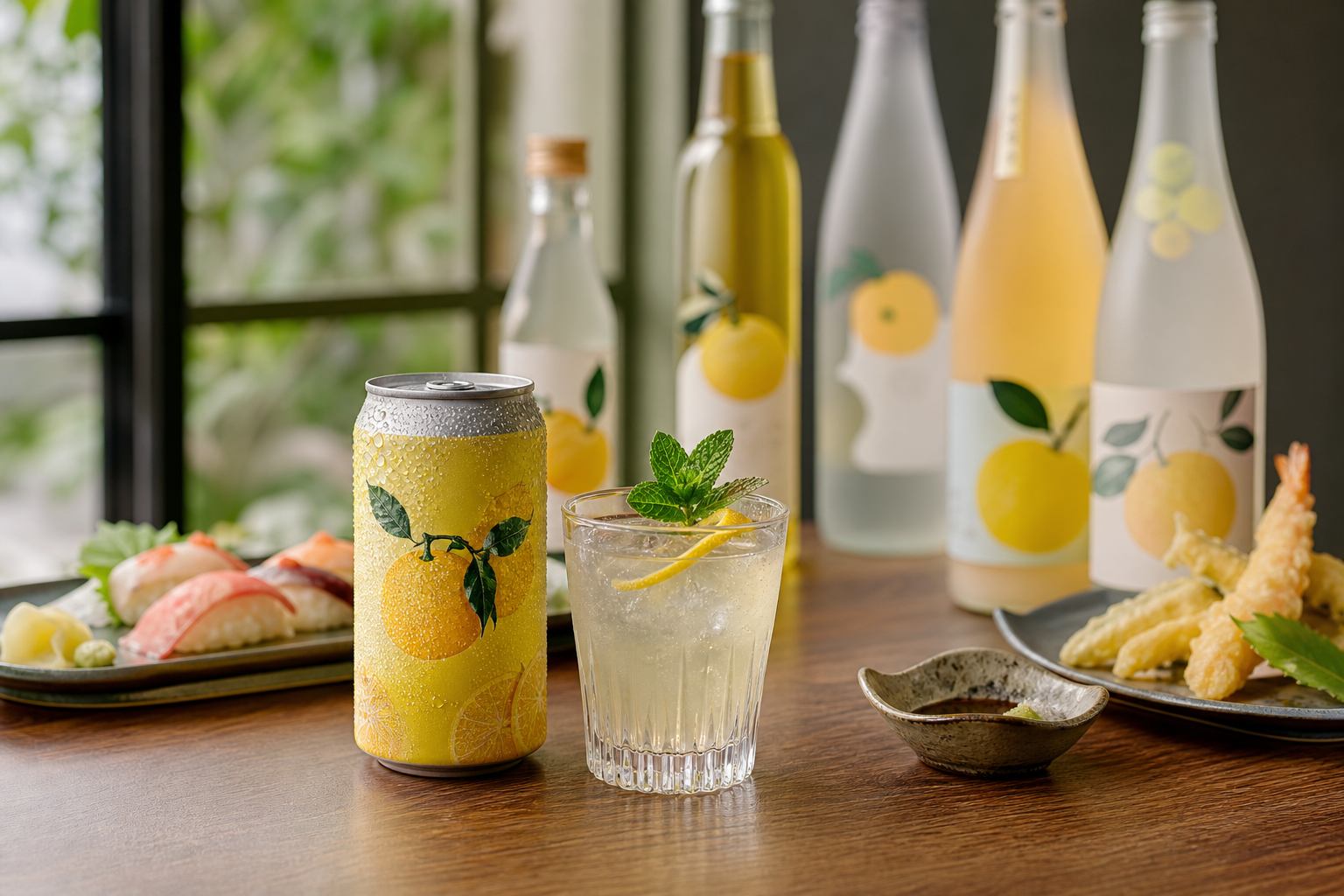
More U.S. consumers recognize yuzu, but recognition does not automatically produce repeat purchases or healthy retail...
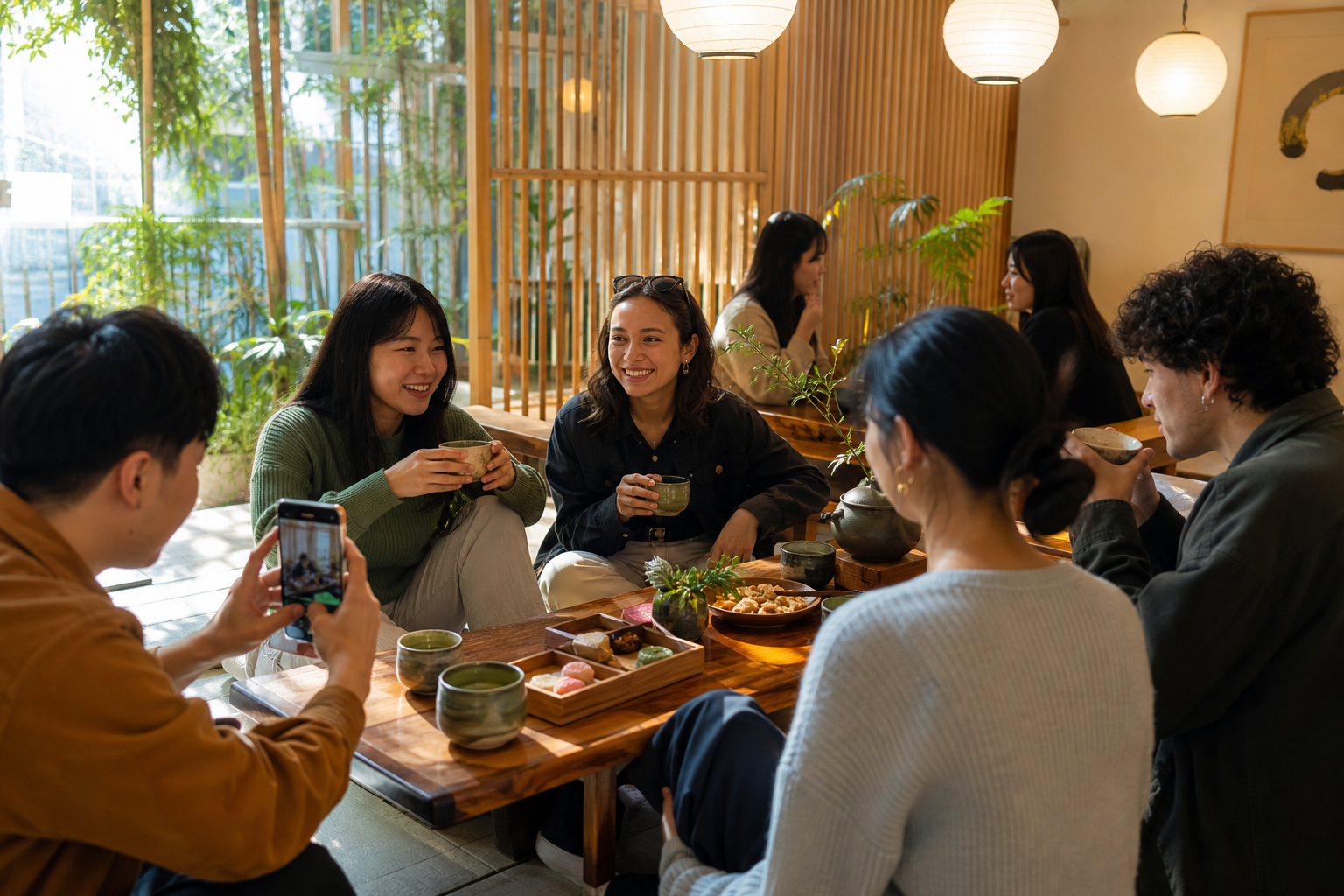
Young Americans have not stopped wanting connection. Many are stepping back from expensive, loud, alcohol-centered...
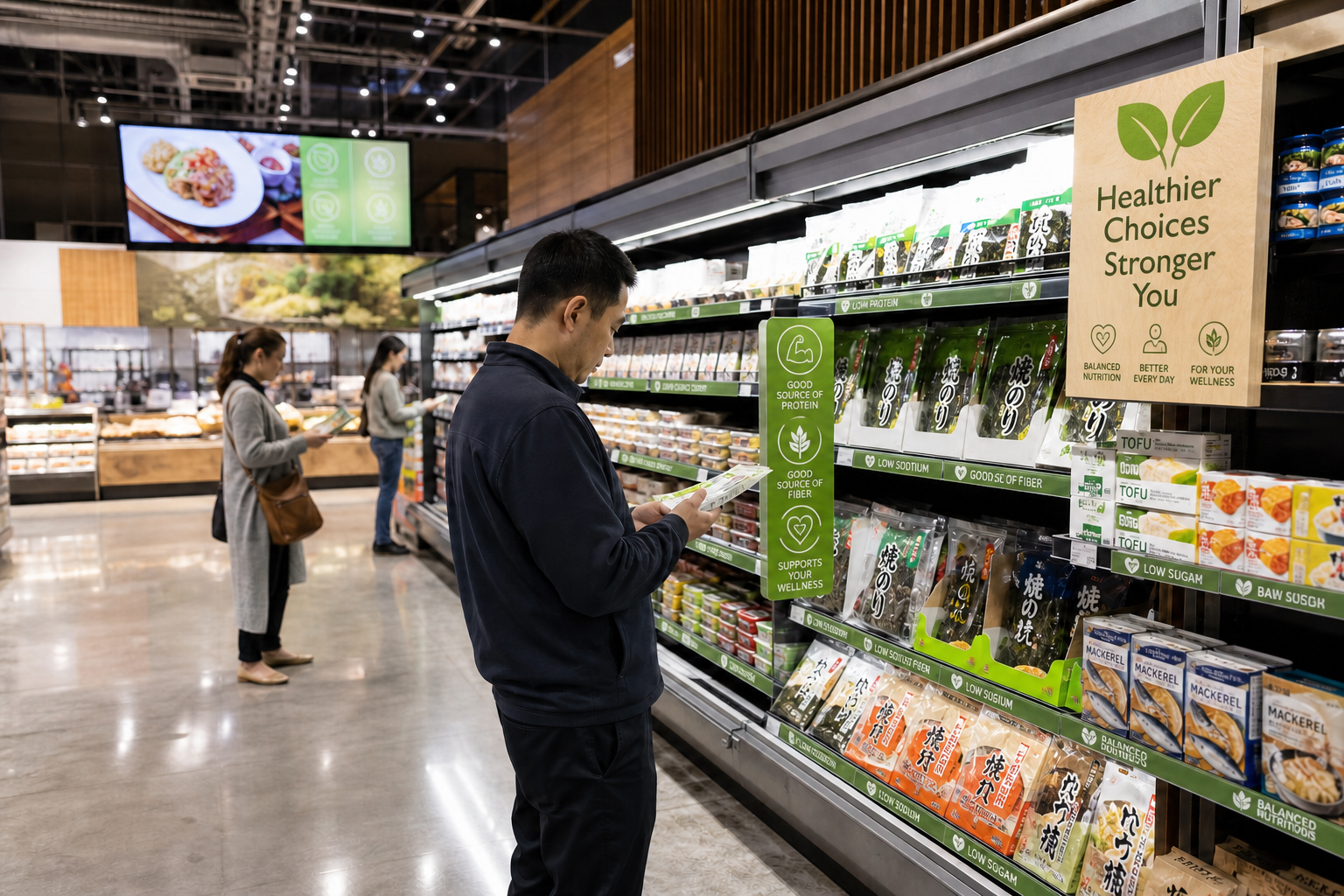
GLP-1 adoption may alter not only dieting behavior but also how shoppers think about quantity and food quality. Food...
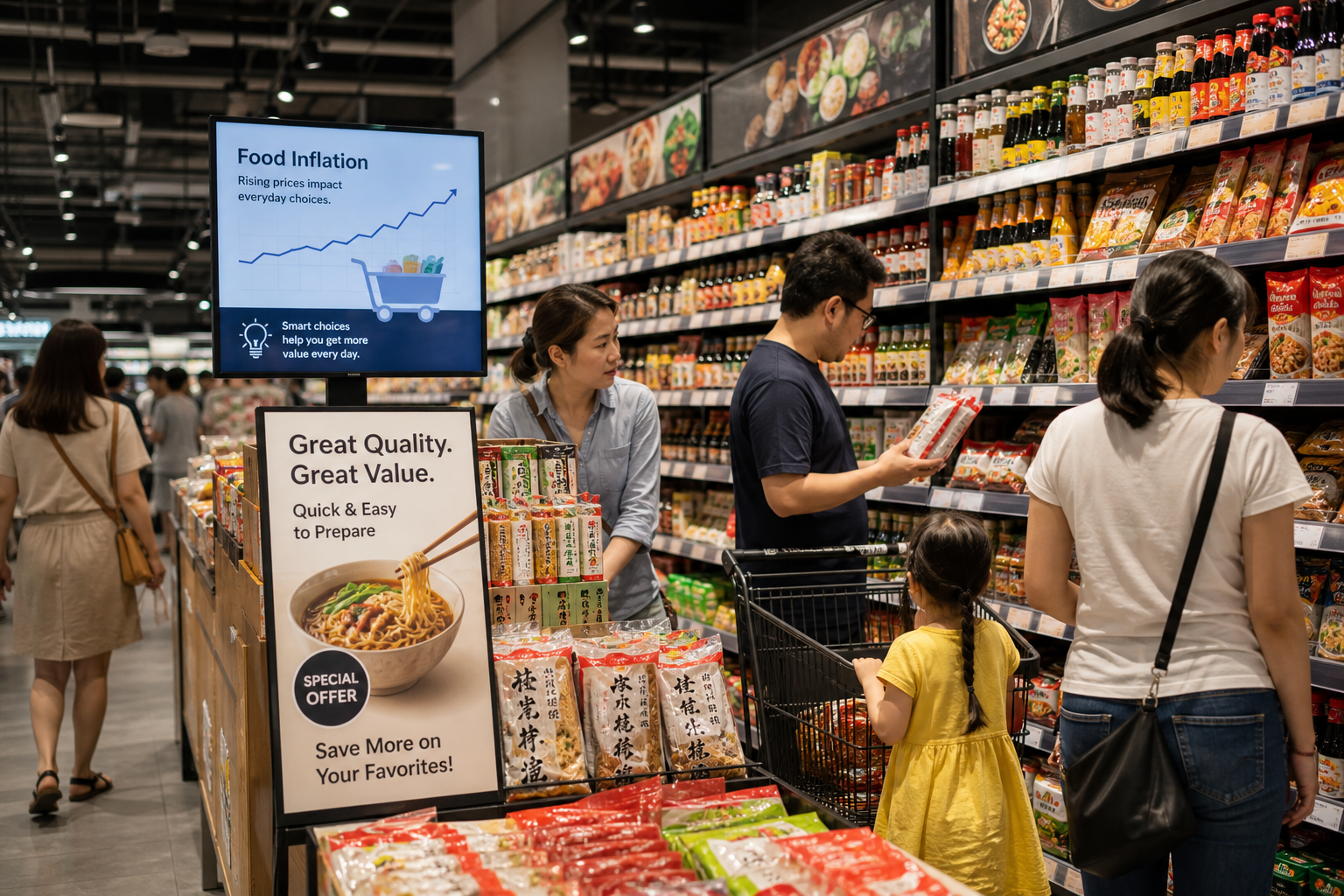
U.S. food inflation may have moderated, but shopper behavior has not simply reverted. Food Dive's coverage of an Acosta...
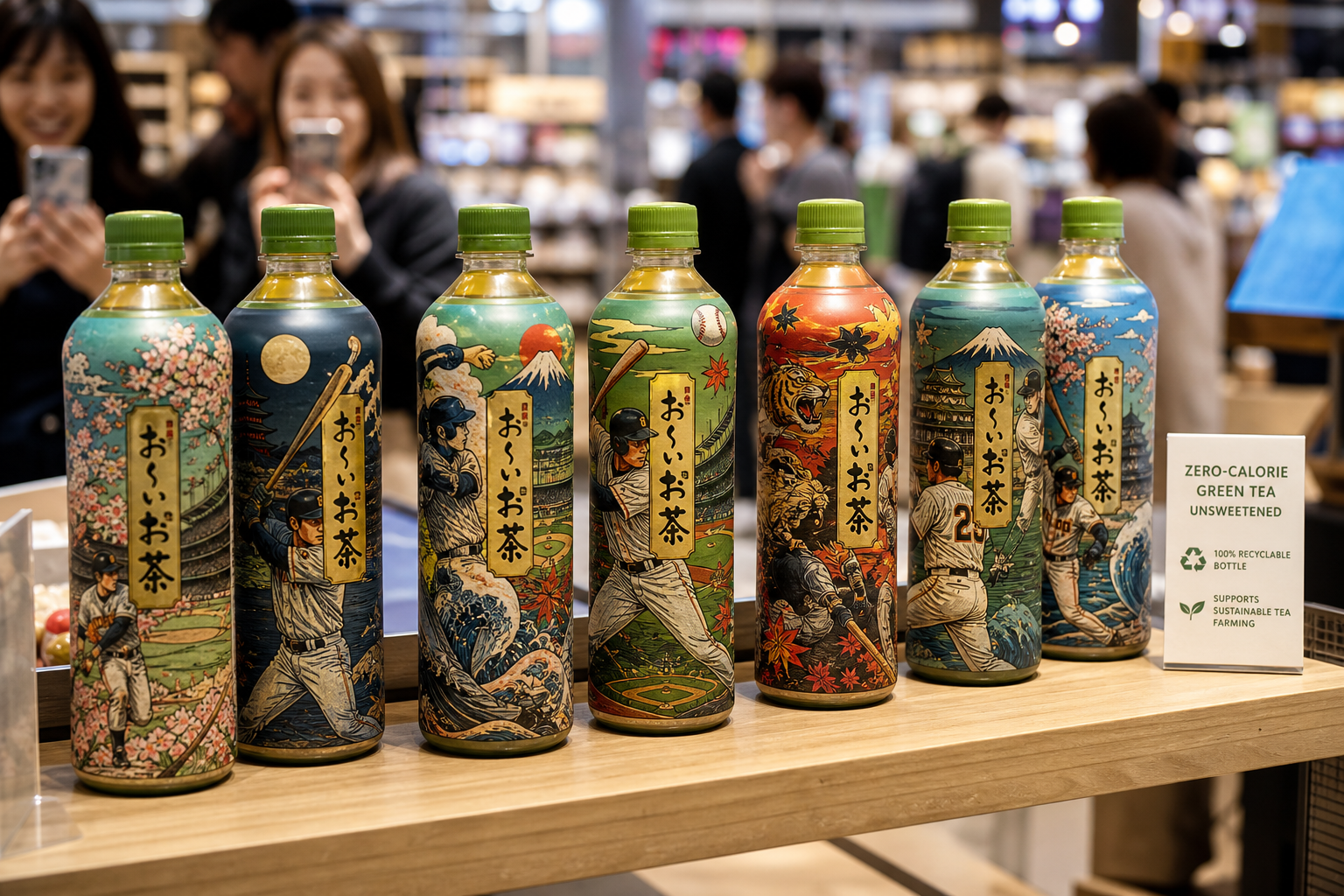
Japanese provenance alone does not guarantee that a U.S. shopper will pick a product off the shelf. The Food...
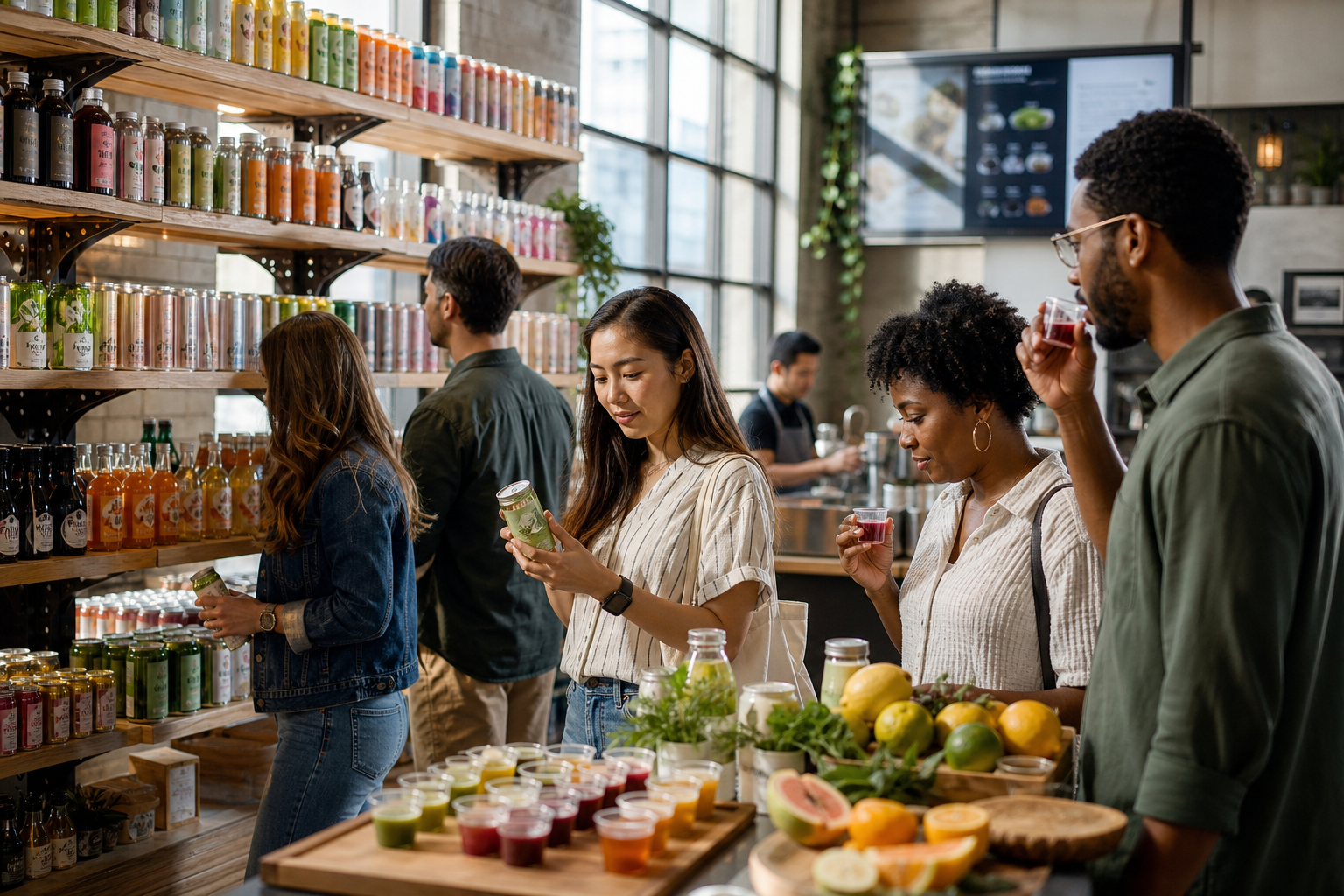
The U.S. functional beverage market is moving beyond a vague promise of being “better for you” toward a competition...
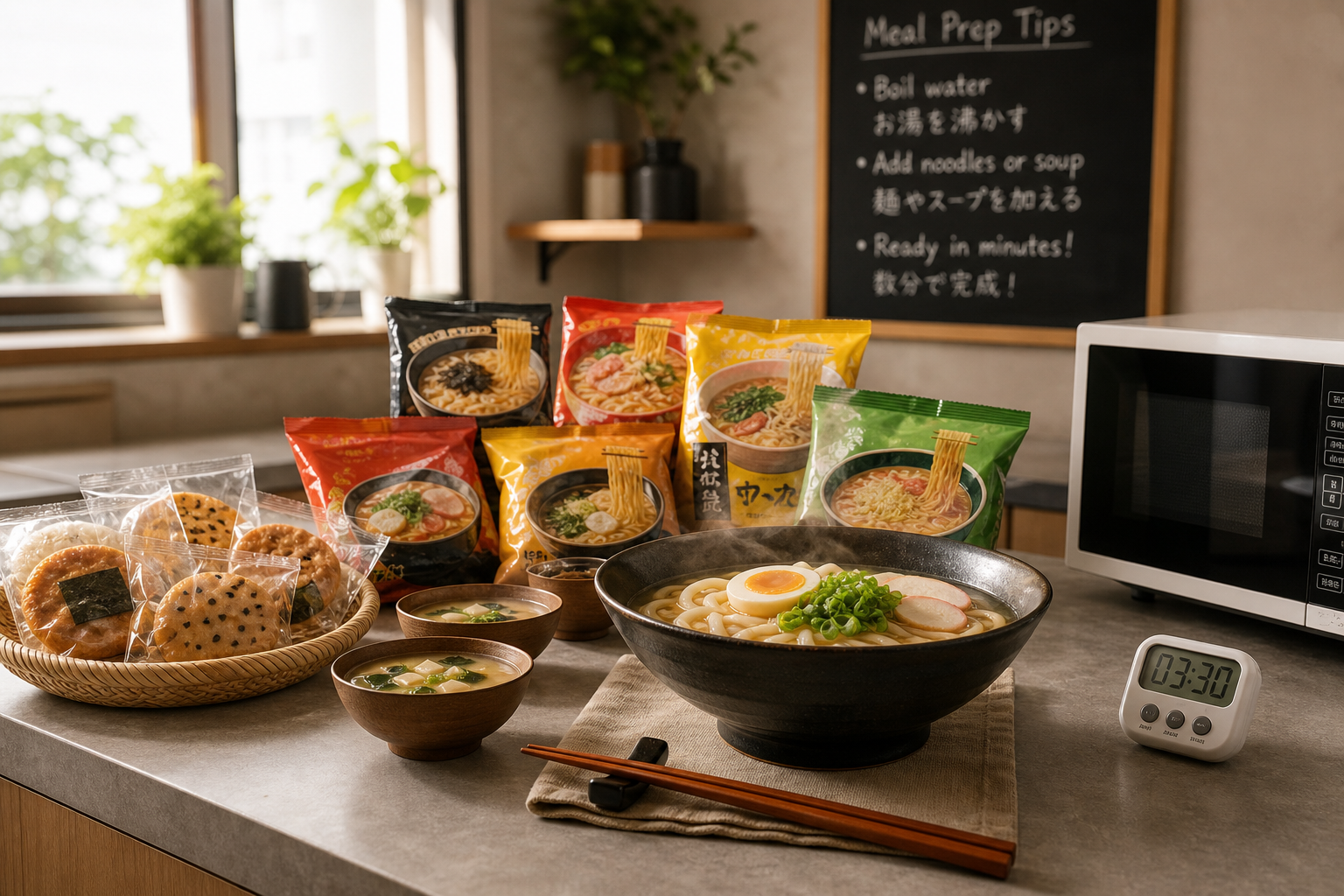
Convenience in the U.S. food market is becoming more than a time-saving feature; it is increasingly a reason to buy....
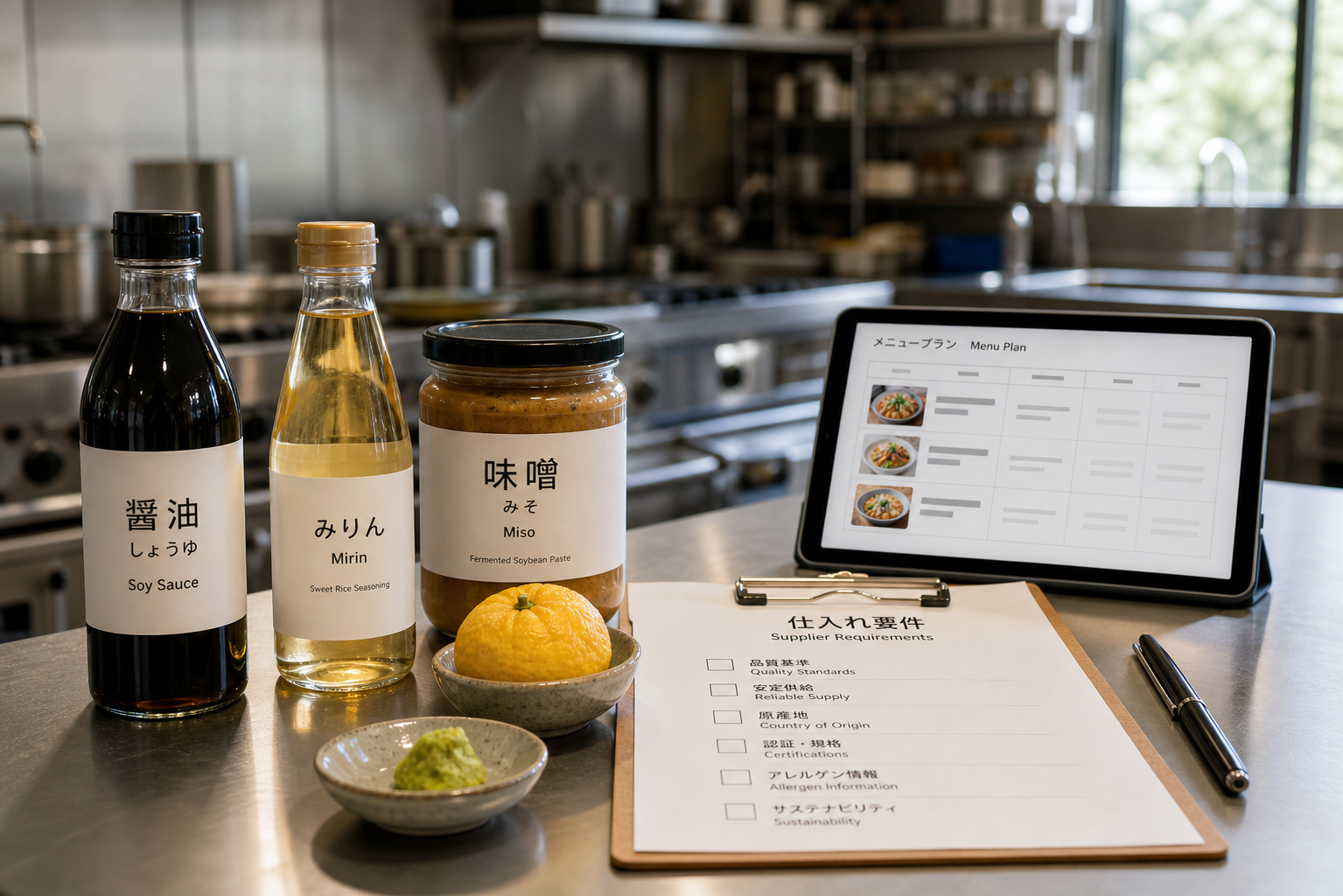
What You Will Learn Sourcing Japanese condiments for U.S. foodservice requires buyers to evaluate more than flavor....
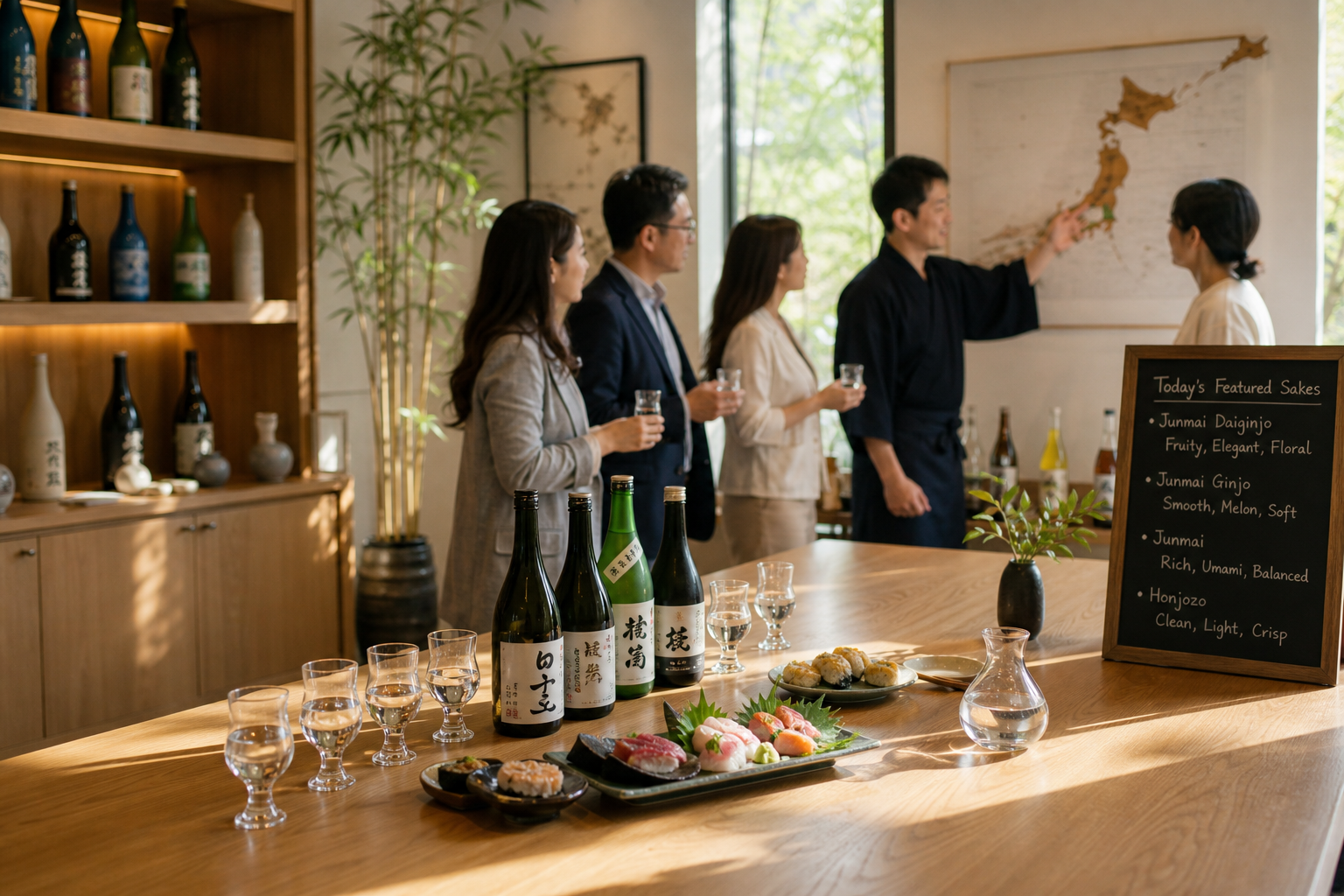
Bringing sake, shochu, and awamori to the U.S. market requires more than a compelling product. Importers and buyers...
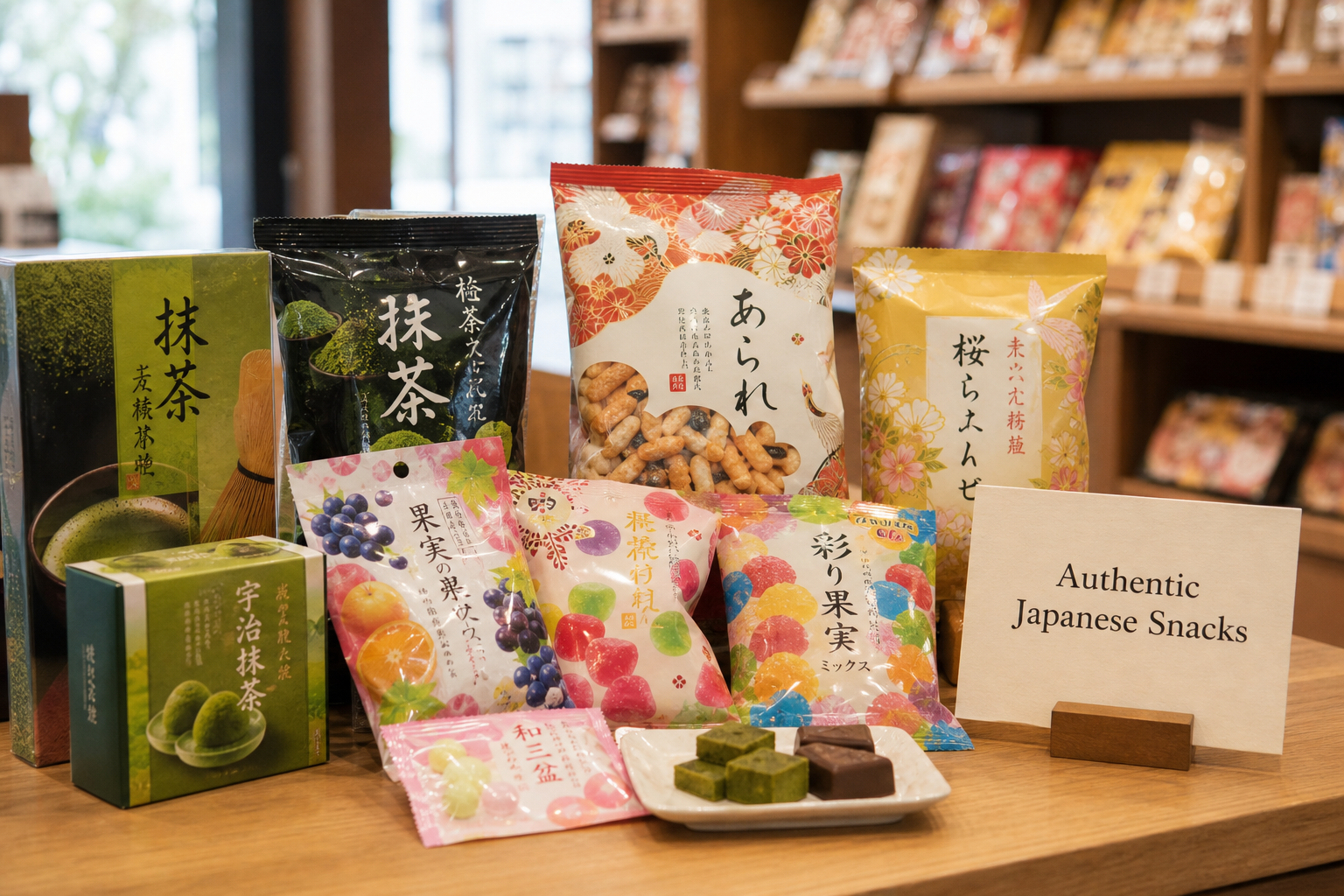
What You Will Learn When selling Japanese snacks in the United States, deciding whether to purchase from a U.S.-based...
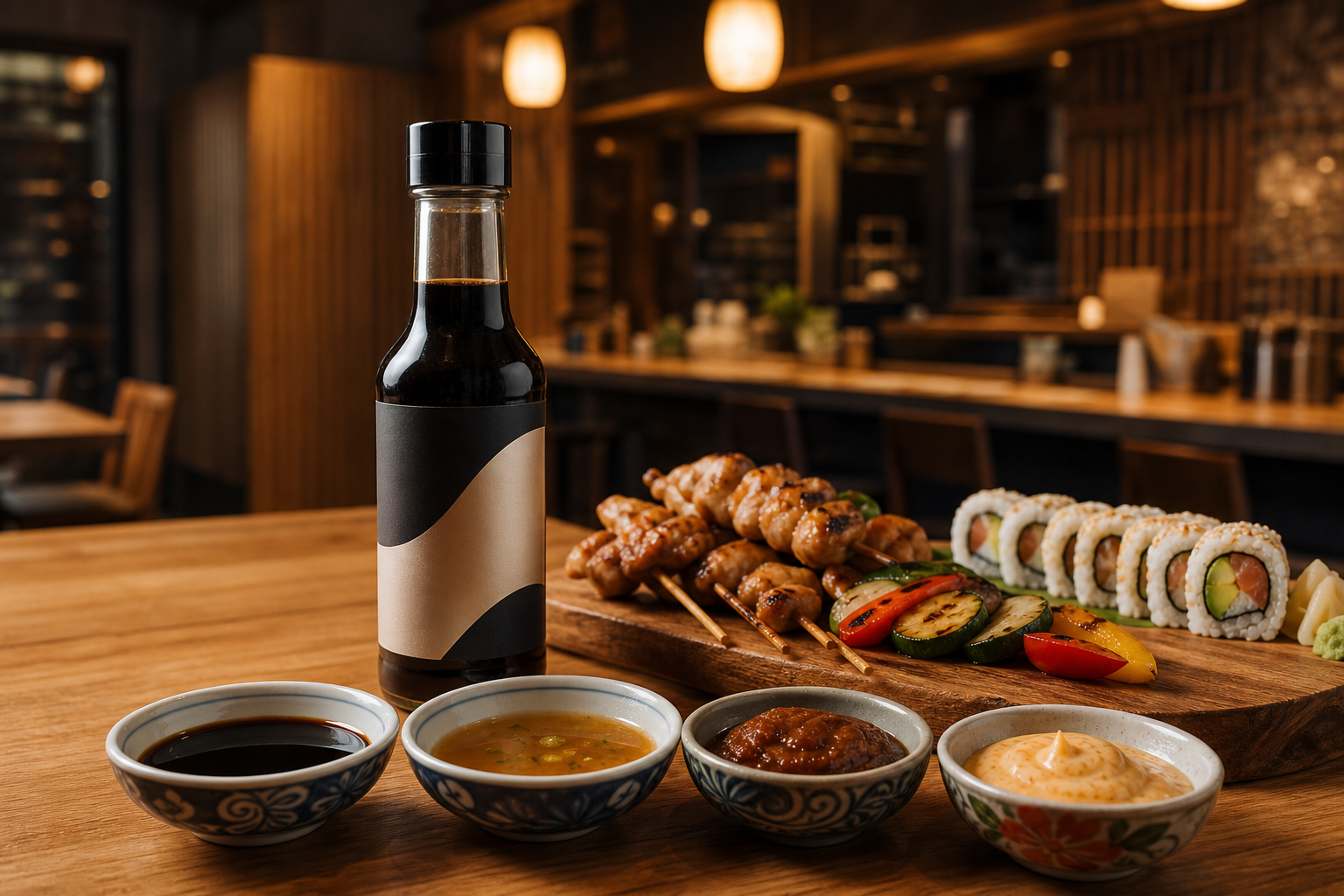
On July 22, 2026, The Food Institute reported that fast-food chains are leaning on sauces and dips to create...
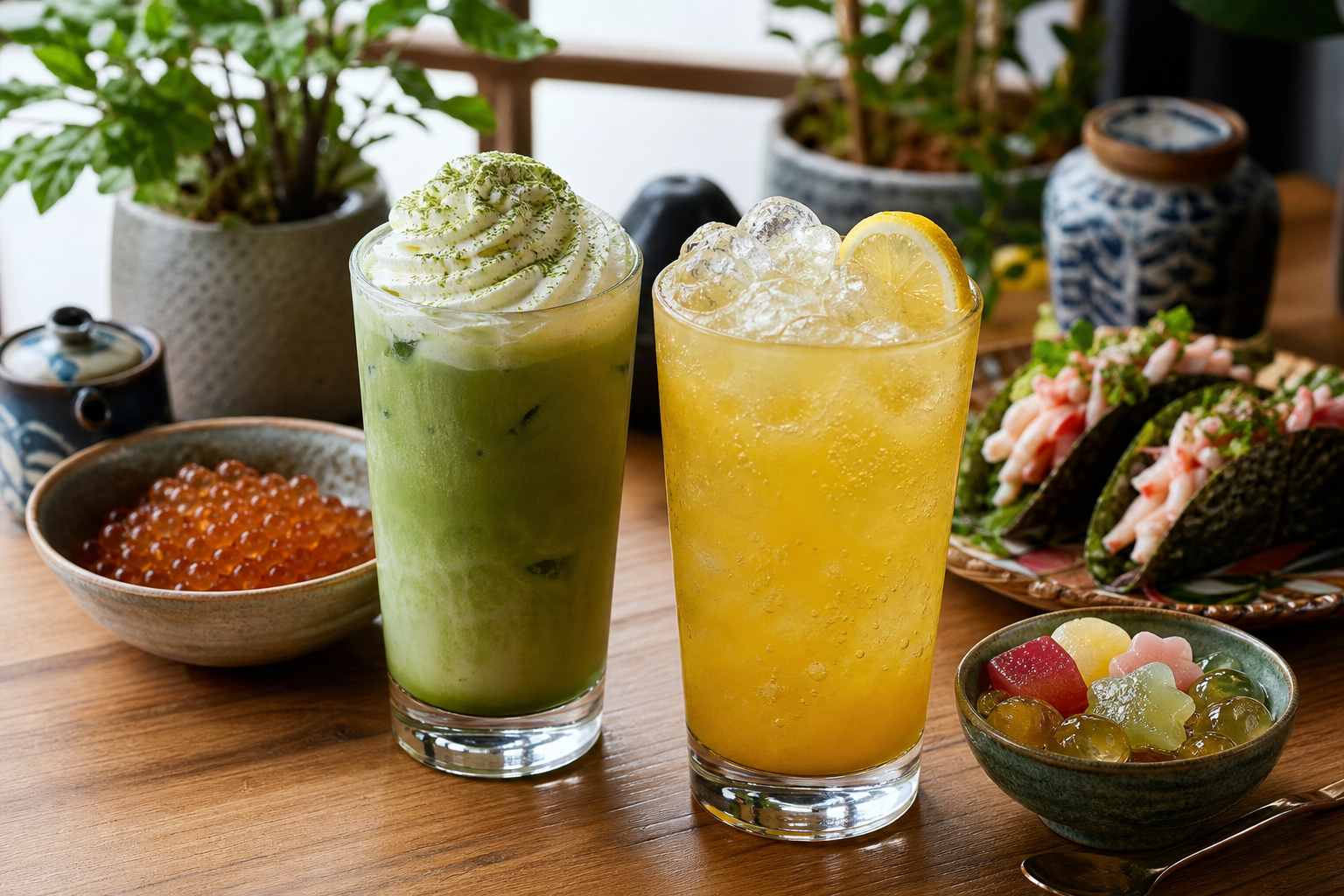
In the U.S. foodservice and retail market, consumers are still looking for small, affordable ways to feel a little...
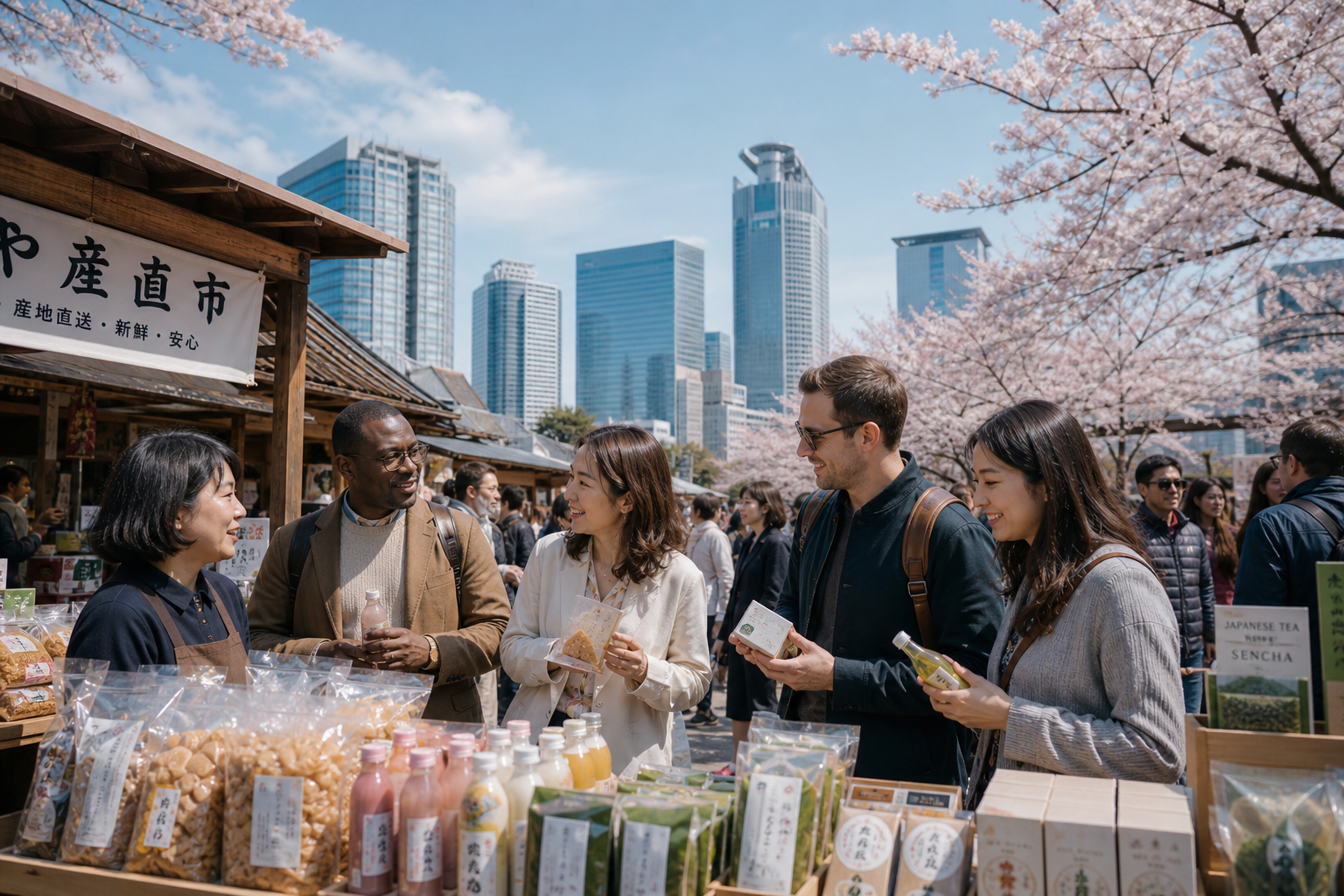
Importing Japanese food products into the United States requires more than FDA approval. Businesses must address...
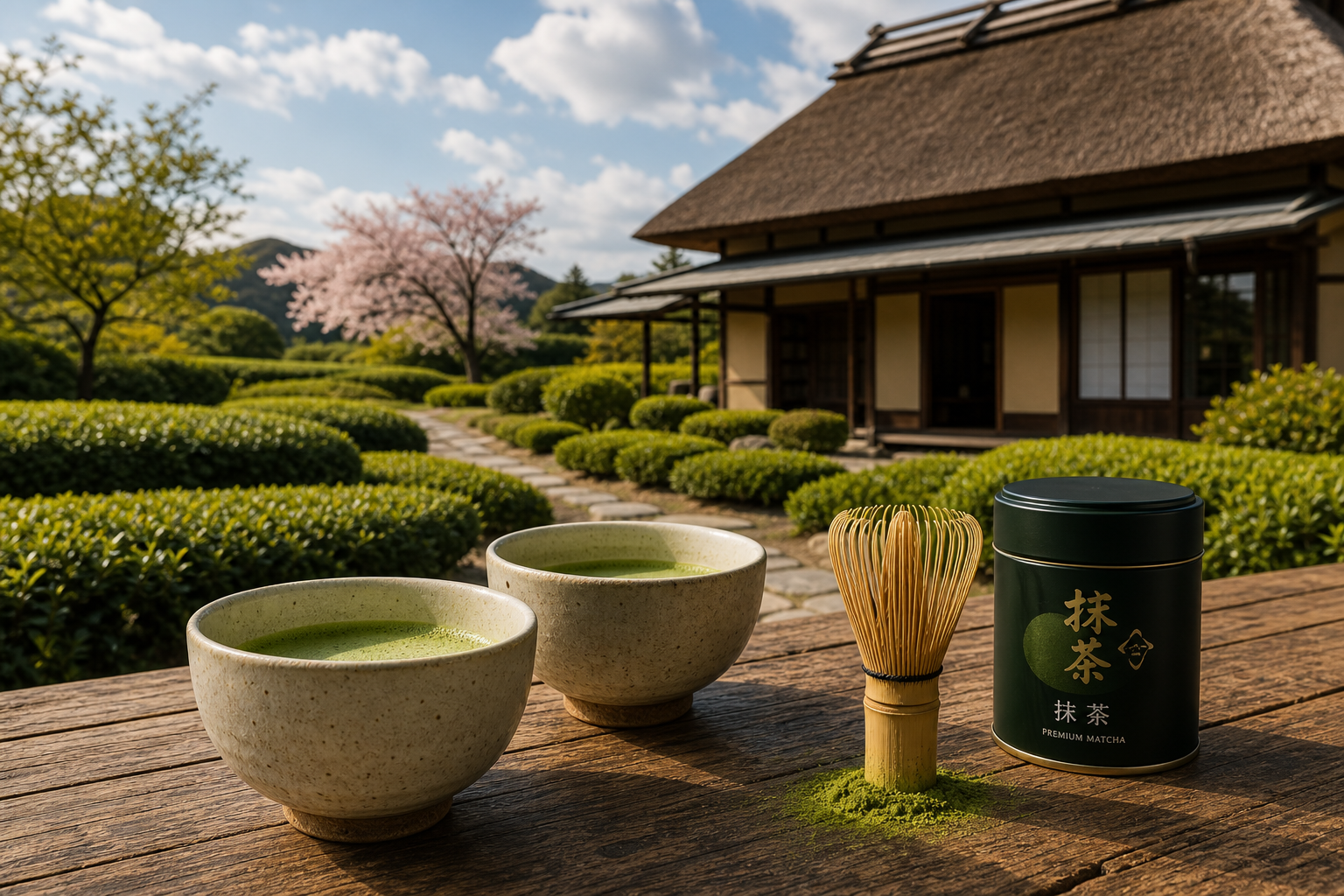
What You Will Learn Sourcing matcha for the U.S. market in 2026 requires more than finding a product with good color...
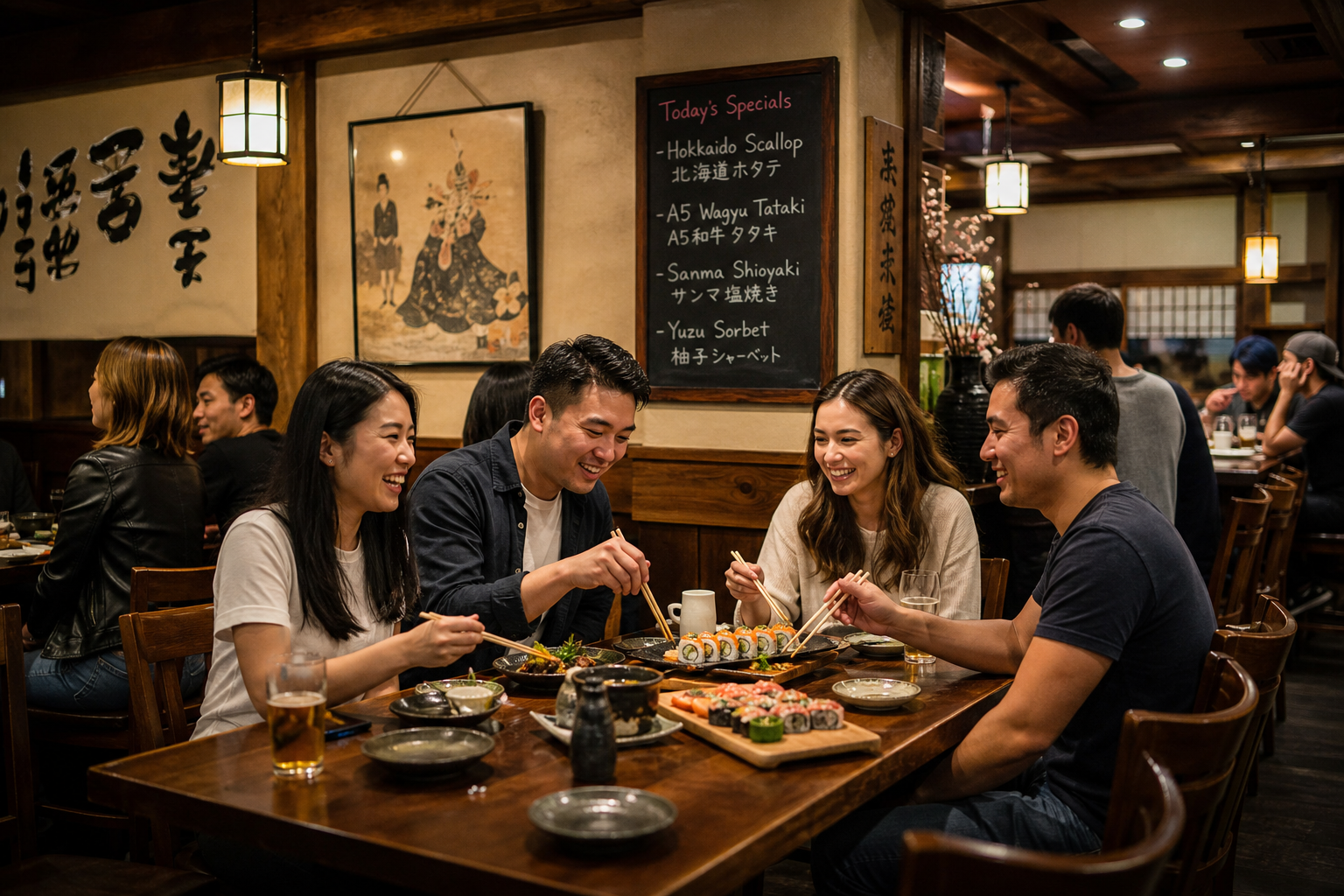
Eater NY's July 24 restaurant closing roundup reported that Wasabi Japanese Restaurant in Greenpoint, Brooklyn, is...