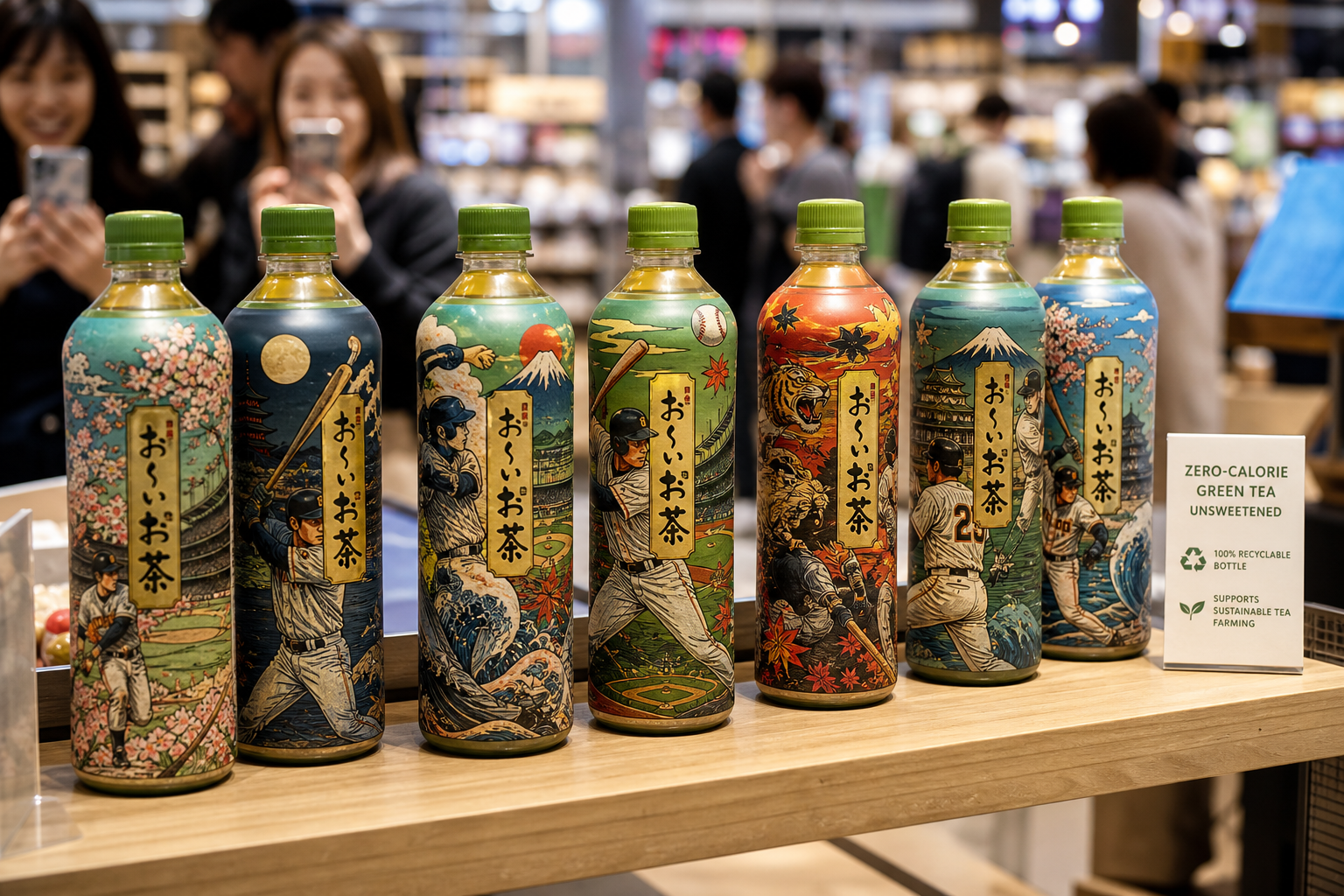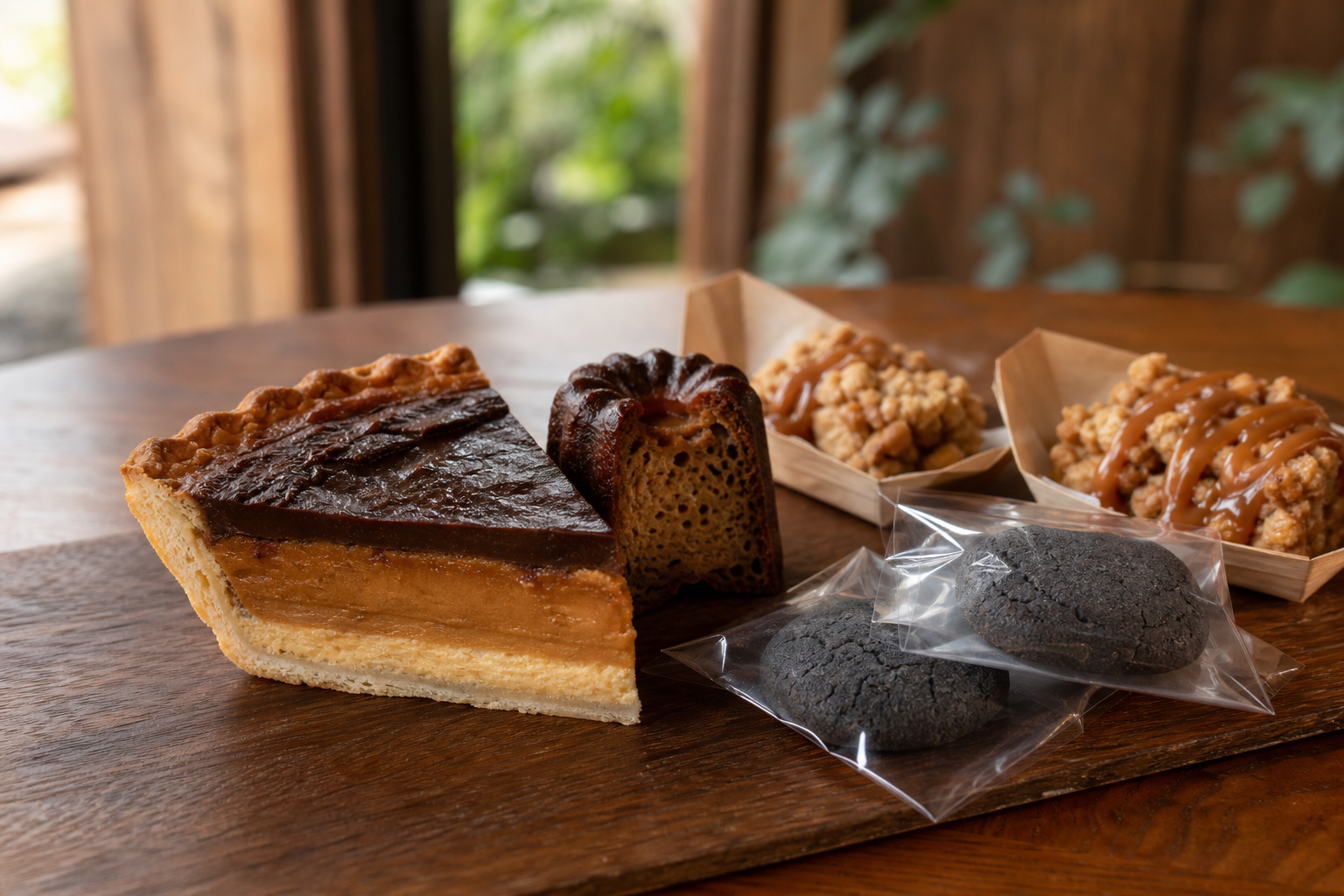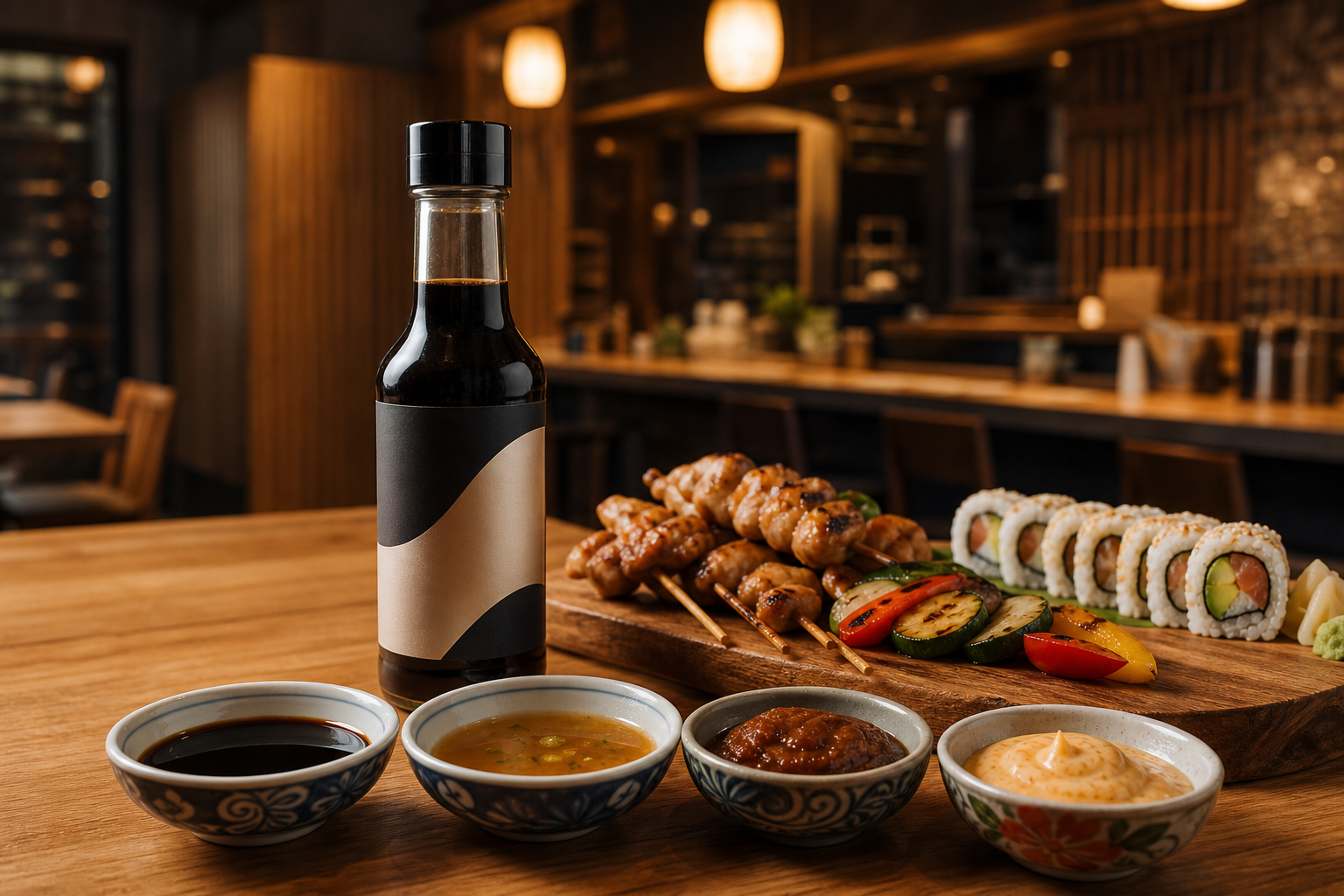
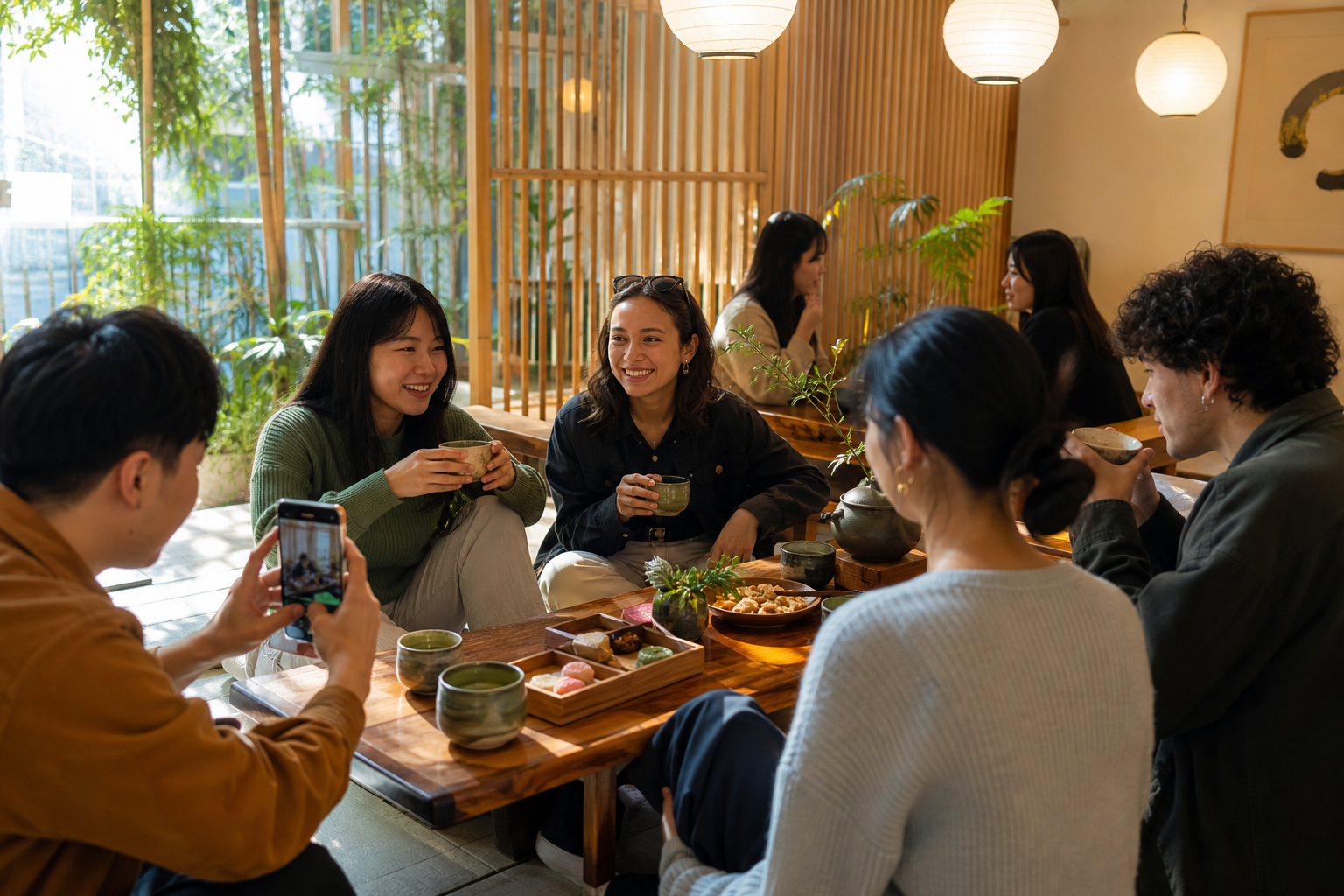

Young Americans have not stopped wanting connection. Many are stepping back from expensive, loud, alcohol-centered nightlife. The Harris Poll research covered by The Food Institute points to demand for affordability, calm, daytime activity, wellness, and alcohol-optional settings. That can create openings for Japanese tea, confectionery, rice snacks, light meals, and nonalcoholic drinks, provided importers design an accessible occasion and price rather than simply adding a Japanese aesthetic.
Table of Contents
- Staying Home Does Not Mean There Is No Demand
- Turn Japanese Products Into Small Shared Experiences
- Price the Occasion Per Person and Per Hour
- Design Home, Daytime, Wellness, and Third-Place Occasions Separately
- Communicate Japanese Culture With Respect and Low Pressure
- Connect Import and Assortment Design to the Core Products After the Event
- See a New Way of Gathering, Not Merely a Generation That Drinks Less
1. Staying Home Does Not Mean There Is No Demand
The Food Institute's August 12, 2026 article summarized The Harris Poll's July 2026 report. The primary report says the survey was conducted from May 28 to June 6 among 4,100 U.S. adults, including 603 Gen Z adults ages 18 to 29. Sixty-eight percent of Gen Z said going out was not worth the effect on their wallet. Seventy-four percent stayed home at least half the weekends in a typical month, and 73% said staying in had become their default weekend plan.
The same respondents still wanted connection. Seventy-three percent wished for more social settings where alcohol was not the focus. Seventy-nine percent found affordable ways to spend time out appealing, and 76% wanted quieter, less overwhelming environments. Eighty-five percent had tried a lower-cost way to spend time with others in the prior year, including 30% who hosted friends and 24% who attended free tastings. This is self-reported research and does not make every young adult identical. It does support a strong hypothesis that food-based connection exists when cost and psychological pressure are reduced.
2. Turn Japanese Products Into Small Shared Experiences
The opportunity favors products that are easy to share, compare, and discuss: a Japanese tea flight, regional rice crackers, seasonal sweets, build-your-own onigiri seasoning, small dashi soups, and nonalcoholic yuzu, ume, or tea drinks. The experience must welcome people without specialist knowledge. It should not test whether guests know the correct tea ritual. It should give them a simple, open way to choose aromas and flavors.
For the home, a practical kit serves four to six people and includes small amounts of several products, brief English flavor cards, clear allergen information, shelf-stable components, and minimal cleanup. Variety can create more conversation at a lower host cost than large quantities of one product. A QR code should do more than open a long brand film. It can show a 30-second preparation, pairing, vote, and path to a normal-size product. Without a core-SKU path, the experience kit may sell while the underlying assortment never gains repeat purchase.
3. Price the Occasion Per Person and Per Hour
If Gen Z is concerned about the cost of going out, the relevant measure is not only the box or check total. It is the cost per person for a meaningful amount of time. A $20 tasting box shared by four people becomes a $5 social activity. A cafe can pair one beverage with several small sweets that guests compare at the table. A retailer can bundle existing products as a 'try with friends' set without investing in an expensive new packaging system.
Affordable does not have to mean unprofitable. Reservations in a quiet daypart, otherwise unused seats, self-service, shelf-stable items, and pre-portioned tasting trays can reduce operating burden. Foodservice operators still need to manage long dwell time through menu design, daypart, add-on opportunities, or a reasonable minimum purchase. Importers and retailers should assess participants, add-on purchases, conversion to core items, and post-event e-commerce orders, not only the ticket price.
4. Design Home, Daytime, Wellness, and Third-Place Occasions Separately
At home, foods can support movies, games, study groups, crafts, or sports viewing. Low spill risk, individual portions, unsweetened or low-alcohol options, and easy cleanup matter. In daytime cafes and bakeries, introduce sencha, hojicha, genmaicha, mugicha, and Japanese black tea beyond the familiar matcha, with plain-language flavor and caffeine information. In wellness settings, do not promise exercise or medical outcomes. Position calm unsweetened drinks and light snacks as hospitality and cultural discovery.
Libraries, bookstores, coworking spaces, campuses, museums, community centers, and farmers markets can support socializing that does not assume drinking. Because 24% of respondents reported using free tastings as a lower-cost social option, sampling can be an entry to participation, not just a sales tactic. Importers can make adoption easier with an execution kit covering service time, temperature control, waste, allergen signage, an English facilitation card, and a path to nearby retail.
5. Communicate Japanese Culture With Respect and Low Pressure
Turning culture into an experience can flatten a ritual or reduce Japan to anime and visual novelty. Briefly identify the maker, region, and traditional use, then leave room for U.S. participants to enjoy the product in their own setting. A low-pressure gathering cannot make guests feel embarrassed for not knowing the correct preparation. Work with Japanese American communities, chefs, and tea specialists to balance accurate context with contemporary use.
Gen Z also cannot be reduced to one income, aesthetic, or lifestyle. Students, workers, people living with family, urban and suburban residents, drinkers and nondrinkers have different constraints. Do not optimize only for social photography. Consider price, accessibility, dietary and religious needs, allergens, noise, seating, and participation format. The strongest experience works for someone who never posts a photo while giving someone who does want to share clear, useful information.
6. Connect Import and Assortment Design to the Core Products After the Event
Experience kits can multiply SKUs and complicate warehousing because they require small quantities of many items. Avoid making every component custom. Combine normally distributed individual packs and add only a local sleeve or English guide. When products have different shelf lives, manage the kit to the earliest date and make ingredients and allergens available for the full set. Beverages add weight and storage, so compare local wholesale, concentrate or tea bags, and feasible local preparation.
The objective is not attendance alone. Measure tasting-to-unit conversion, kit-to-core migration, offline-to-online purchase, and event-to-nearby-retail traffic. QR codes and offers can gather preference and pack-size learning as well as provide a discount. Collect only what is needed, with clear consent and purpose. Each quarter, review flavors sold and left, participants, add-ons, repeat purchase, waste, and operating time, then simplify both the product mix and the experience.
For repeatability, do not depend on one unusually enthusiastic store employee. Create 60-minute and 20-minute run sheets covering equipment, per-person quantities, opening order, cleanup, residual product, and frequent questions. The importer can attend the first three events, then move to a system verified through photos, inventory, participants, and sales. If the same product core works in a campus, bookstore, and cafe while the activity changes from study to reading, music, or crafts, inventory can remain common while occasions expand.
7. See a New Way of Gathering, Not Merely a Generation That Drinks Less
If we limit the market opportunity to non-alcoholic beverages alone, we risk capturing only half of the shift identified by The Harris Poll. What consumers are looking for are affordable, relaxed social settings that are accessible during the day, easy to leave at any time, and centered around a shared activity. Japanese tea, confectionery, and light snacks can serve as simple but effective tools for creating these experiences. Rather than focusing solely on the function of an individual product, businesses should design the complete occasion: who people will spend time with, where they will meet, how long they will stay, how much they will spend, and what they will do while enjoying the products.
With approximately 7,000 SKUs, umamill Inc. offers a valuable resource for sourcing products that are well suited to sharing and sampling, including Japanese tea, unsweetened beverages, rice crackers, bean snacks, seaweed products, traditional Japanese confectionery, and dashi-flavored savory snacks. Importers should look beyond a single attention-grabbing product and consider developing a balanced assortment that combines affordable entry-level items, multiple flavors that spark conversation, everyday staples that encourage repeat purchases, and product formats that are easy to serve and manage at events or venues. The umamill team can provide a variety of recommendations tailored to your objectives, so please feel free to contact us.
To reiterate, Gen Z is not rejecting social interaction; it is redefining the conditions under which it takes place. Viewed from this perspective, Japanese food can become not only something to sell, but also a reason for people to gather.
For pilot testing, consider trying three formats within the same city: at-home sets, daytime café events, and gatherings in third places. Compare the cost per participant, purchase conversion rate, repeat-purchase rate, and staff time required for each format. In addition to asking participants which products they liked most, gather feedback on how easy the event was to join, the noise level, the clarity of the product explanations, and how comfortable participants felt arriving late or leaving early. Future investment decisions should be based not on which format attracted the largest crowd, but on which one created the strongest and most lasting connection between consumers, the products, and one another.
Five Actions to Take Now
- Treat staying in as an occasion-design signal, not the disappearance of demand for connection. Link home and out-of-home occasions to the same core SKUs.
- Build four-to-six-person tasting sets with small varieties and English flavor and preparation guidance understood in 30 seconds, plus allergens and cleanup instructions.
- Assess economics through cost per person, dwell time, add-ons, and migration to core products.
- Use different product, operating, and measurement plans for home, daytime cafe, wellness, and third-place settings.
- Present culture accurately and without pressure, and always connect the experience to core retail and e-commerce availability.
----------------------------------------------------------------------------
Sources and References
The Food Institute, 'Wellness Wins Gen Z Weekend Dollars,' Aug. 12, 2026.
https://foodinstitute.com/focus/gen-z-is-spending-less-at-bars-as-inflation-wellness-priorities-and-sober-curious-lifestyles-fuel-cheaper-social-activities/
The Harris Poll, 'The Gen Z Weekend Report,' July 2026 (survey fielded May 28-June 6, 2026).
https://theharrispoll.com/wp-content/uploads/2026/07/The-Gen-Z-Weekend-Report-July-2026.pdf