
Recent Articles

For Japanese sweets, bakery, and tea brands, the U.S. growth of other East Asian bakery cafes is a useful comparison....
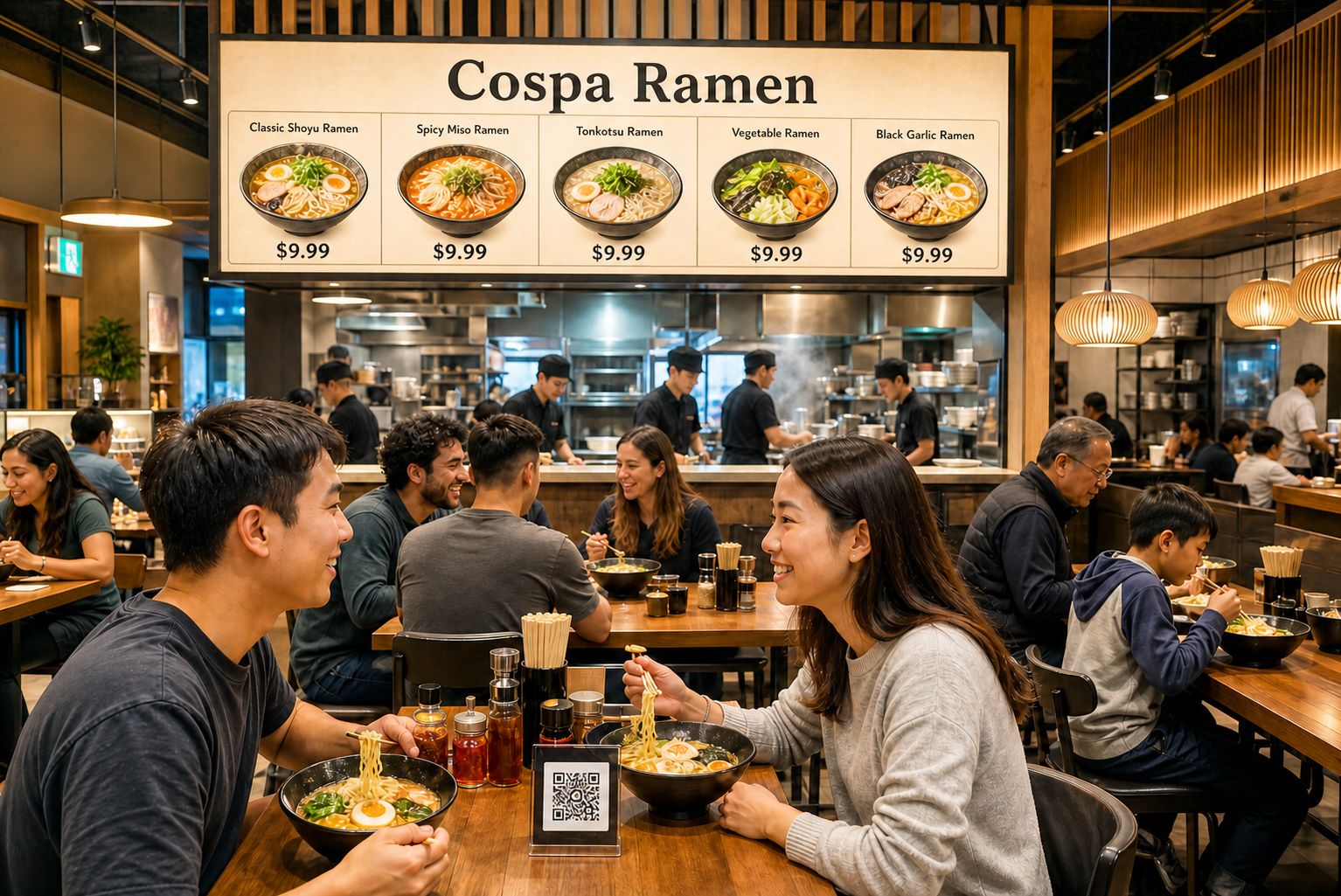
Why a $9.99 Bowl Matters Now Growth in the U.S. Japanese food market does not depend only on raising quality or...
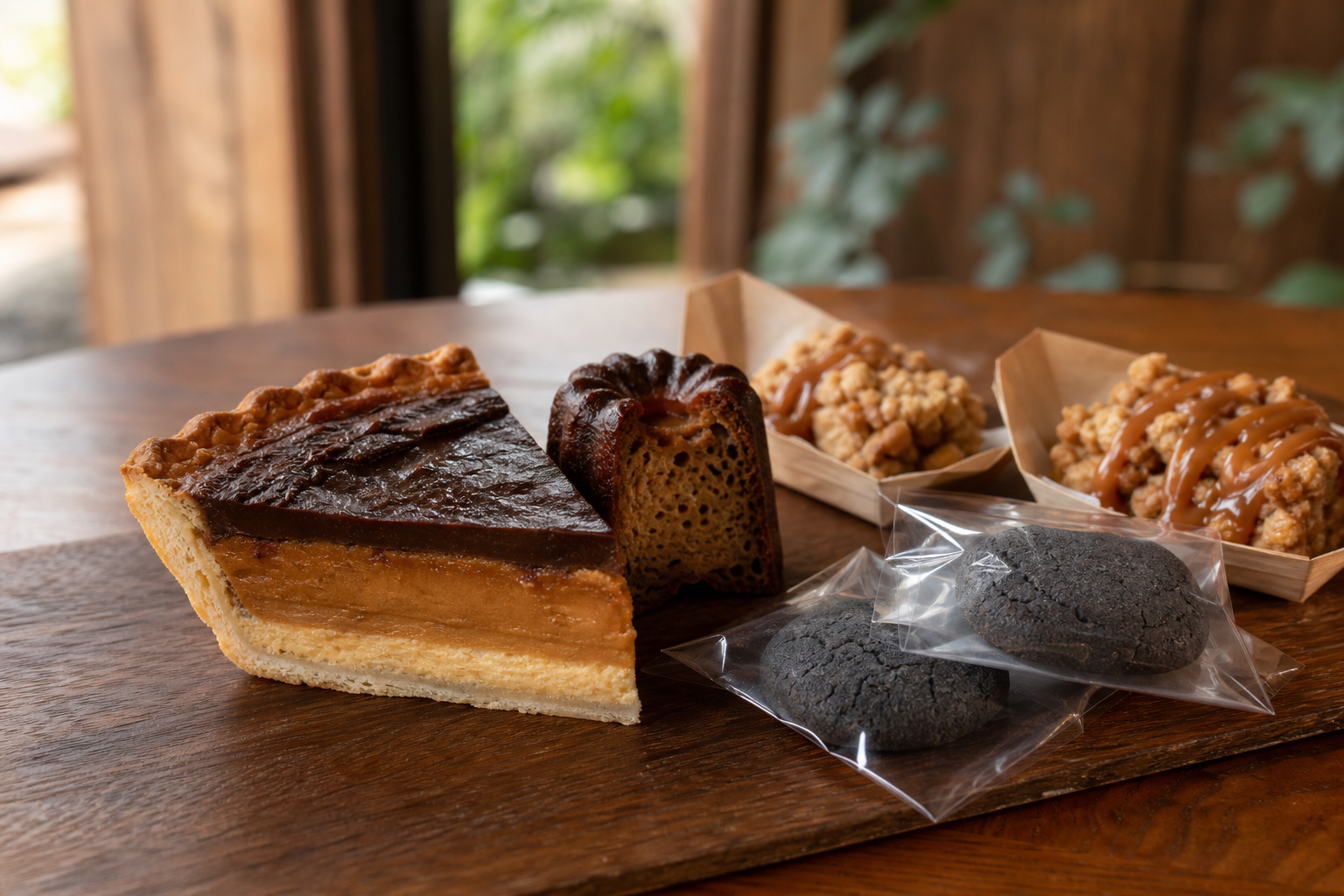
Even when U.S. consumers tighten their budgets, they do not eliminate pleasure. They often replace a major splurge with...
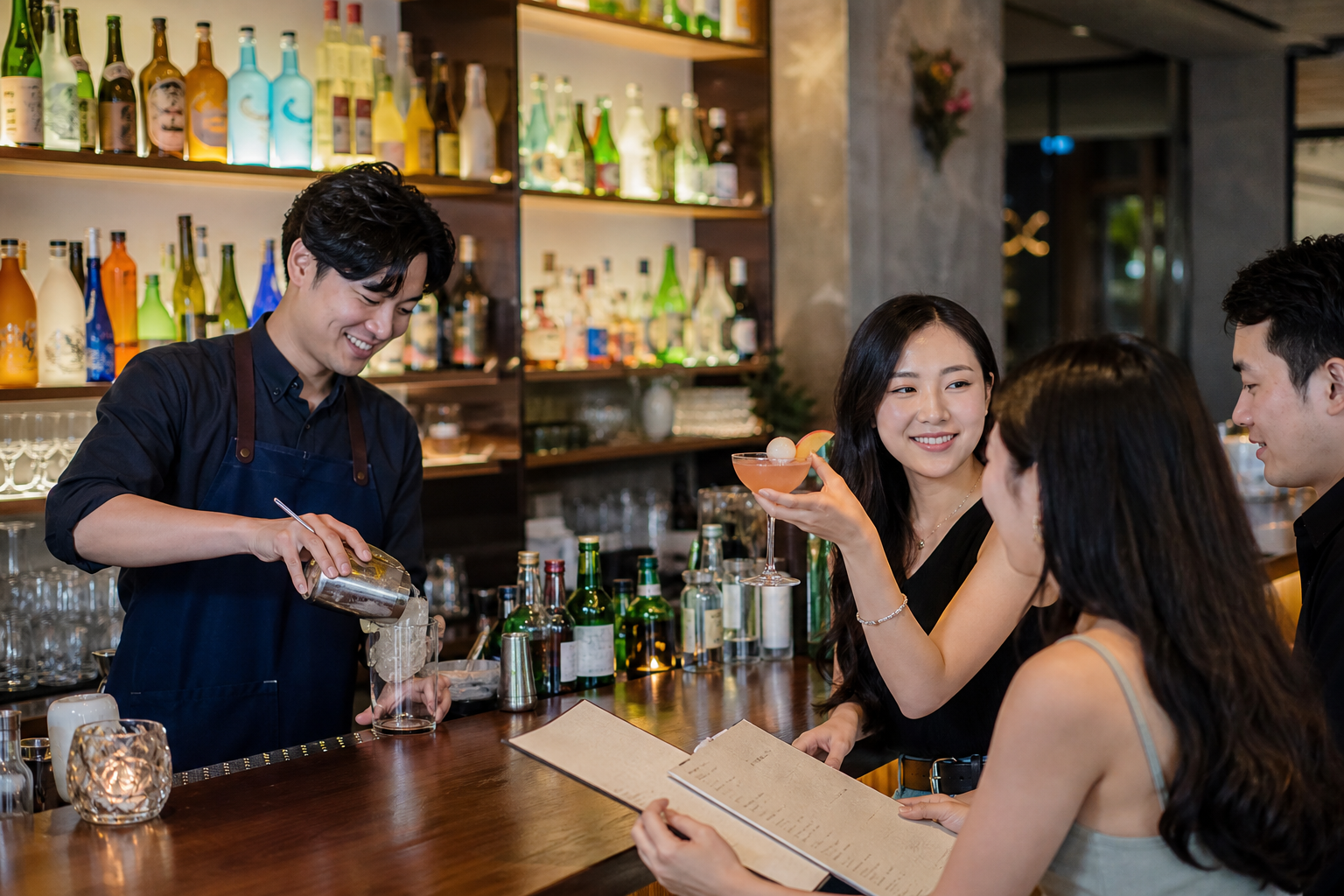
When sake and shochu struggle to expand in the United States, the constraint is often not quality. It is uncertainty...
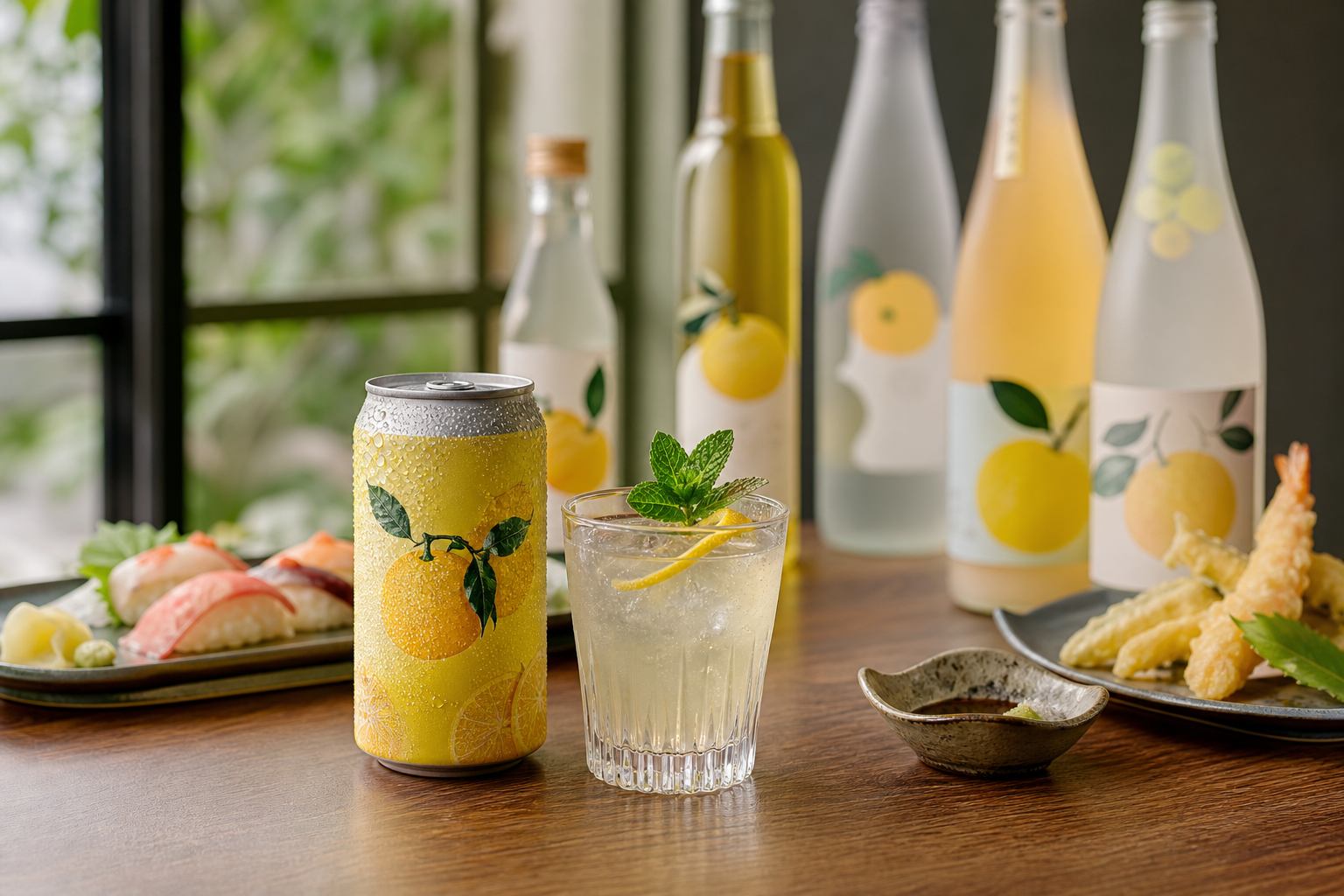
More U.S. consumers recognize yuzu, but recognition does not automatically produce repeat purchases or healthy retail...
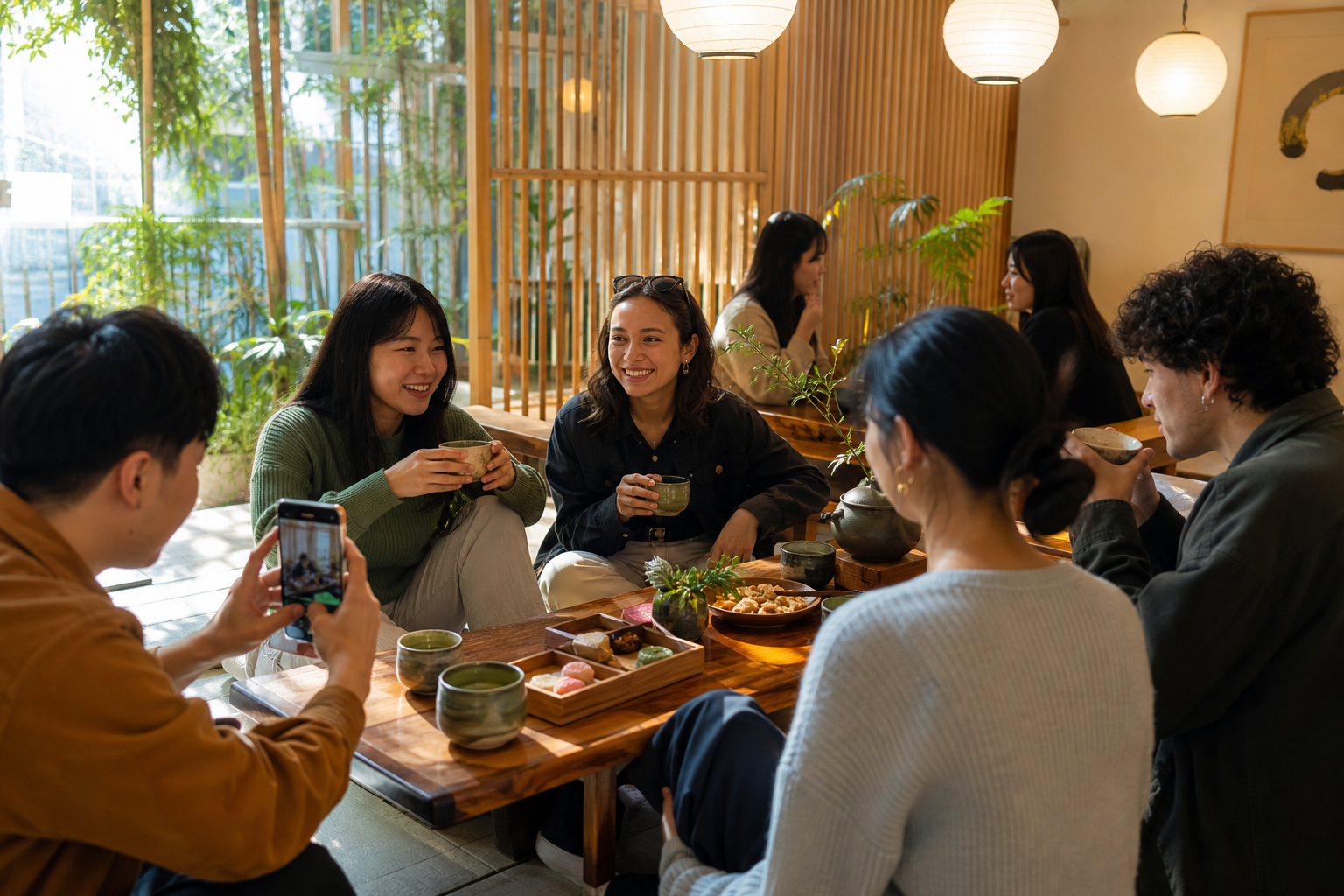
Young Americans have not stopped wanting connection. Many are stepping back from expensive, loud, alcohol-centered...
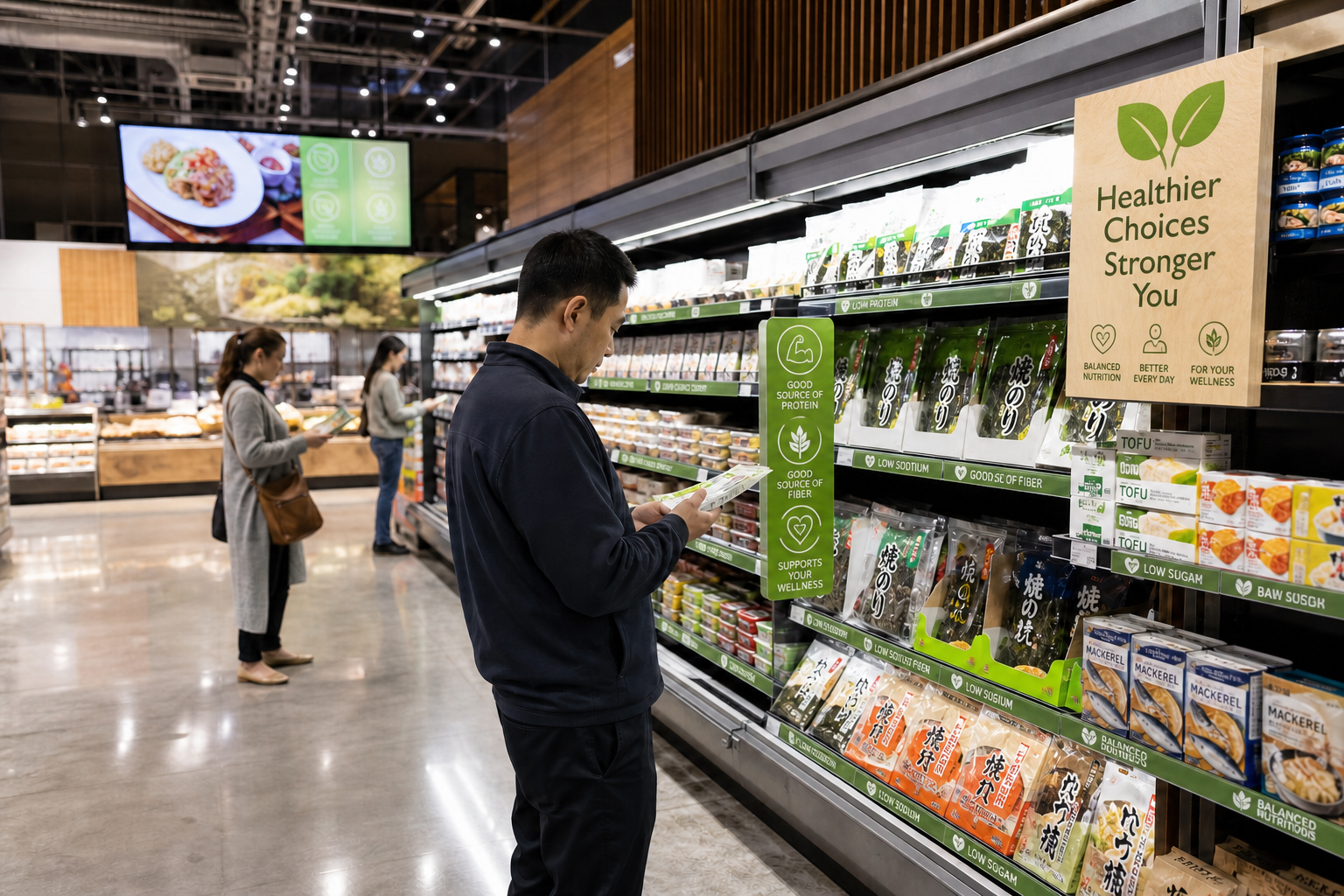
GLP-1 adoption may alter not only dieting behavior but also how shoppers think about quantity and food quality. Food...
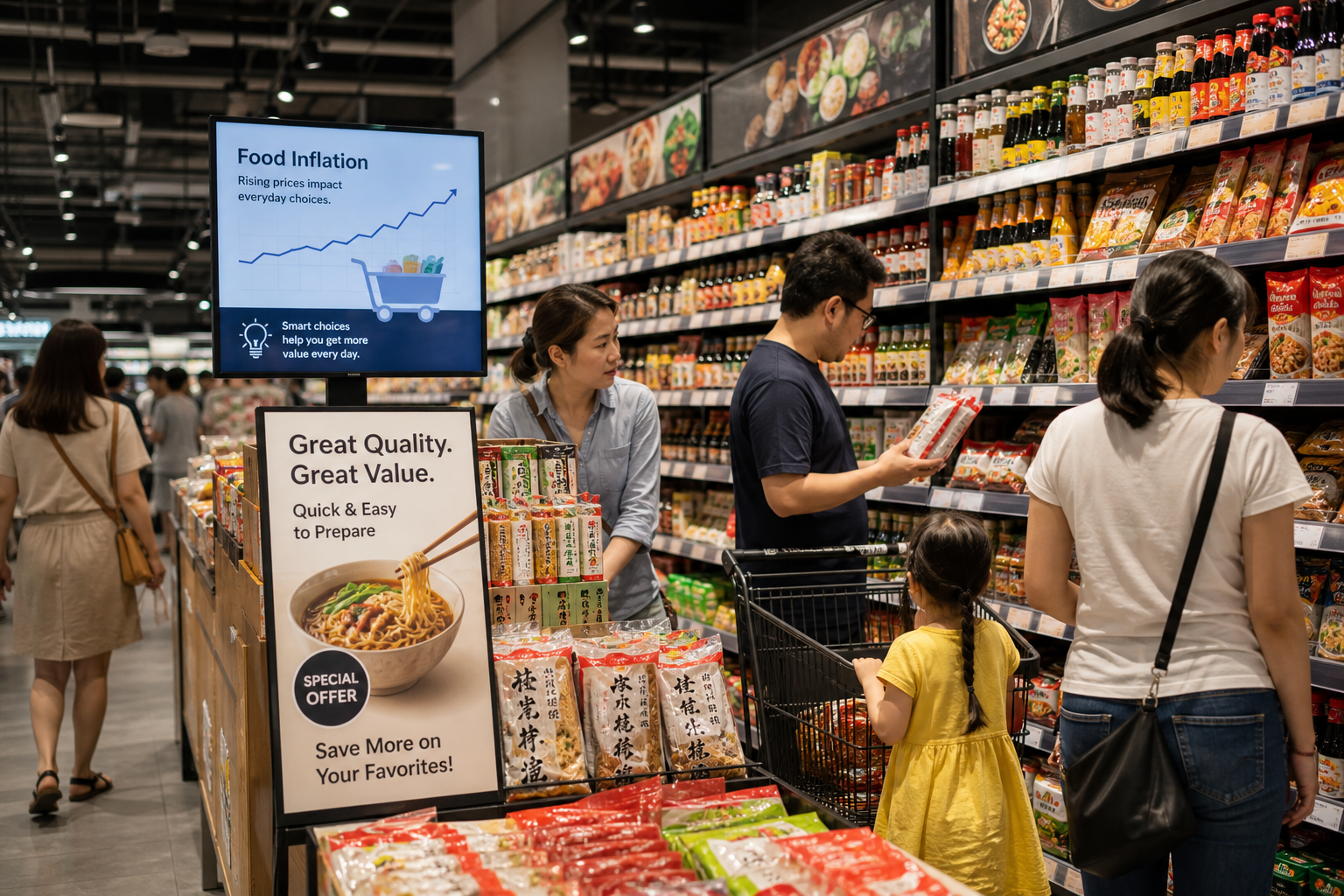
U.S. food inflation may have moderated, but shopper behavior has not simply reverted. Food Dive's coverage of an Acosta...
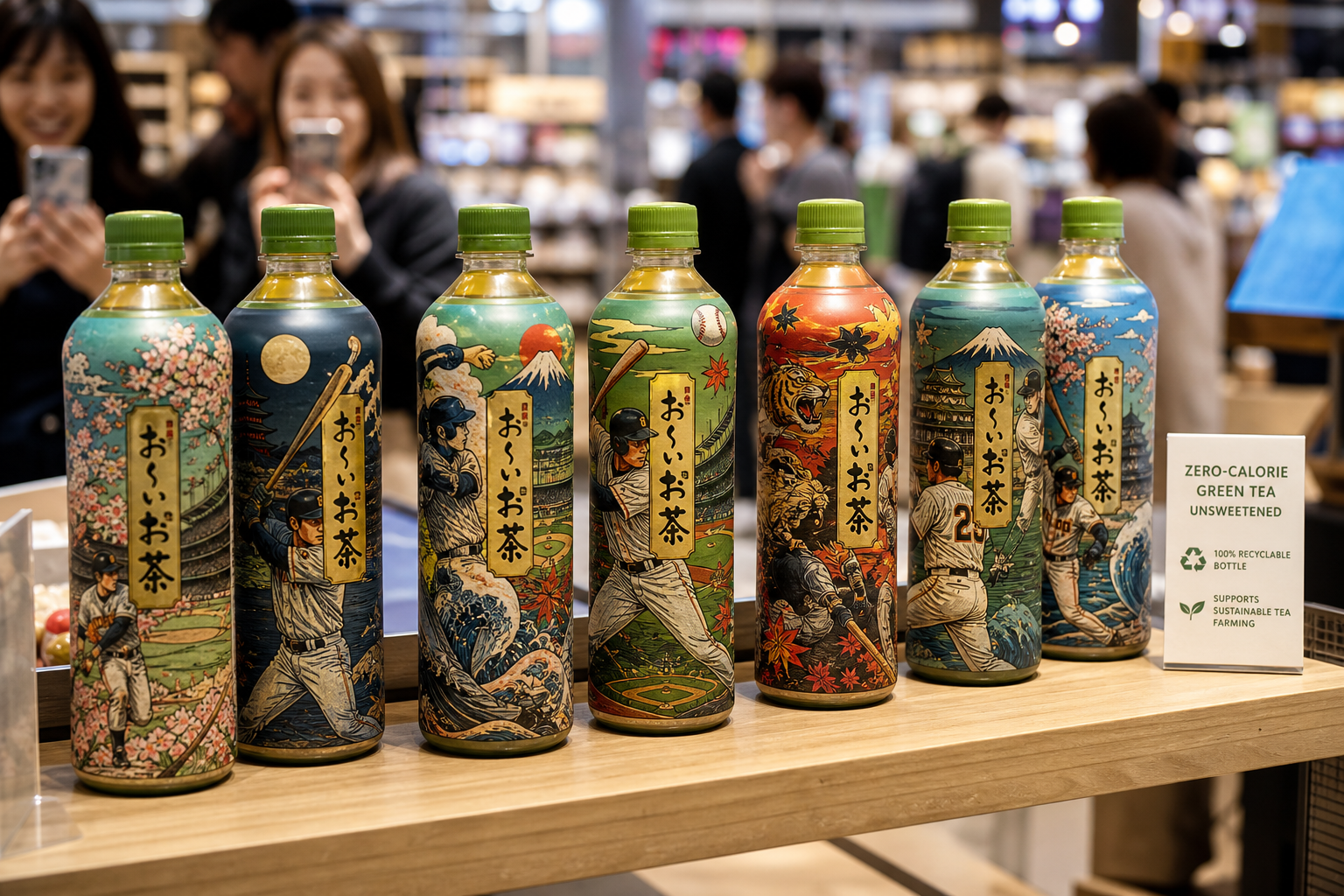
Japanese provenance alone does not guarantee that a U.S. shopper will pick a product off the shelf. The Food...