
Recent Articles

Young Americans have not stopped wanting connection. Many are stepping back from expensive, loud, alcohol-centered...

GLP-1 adoption may alter not only dieting behavior but also how shoppers think about quantity and food quality. Food...
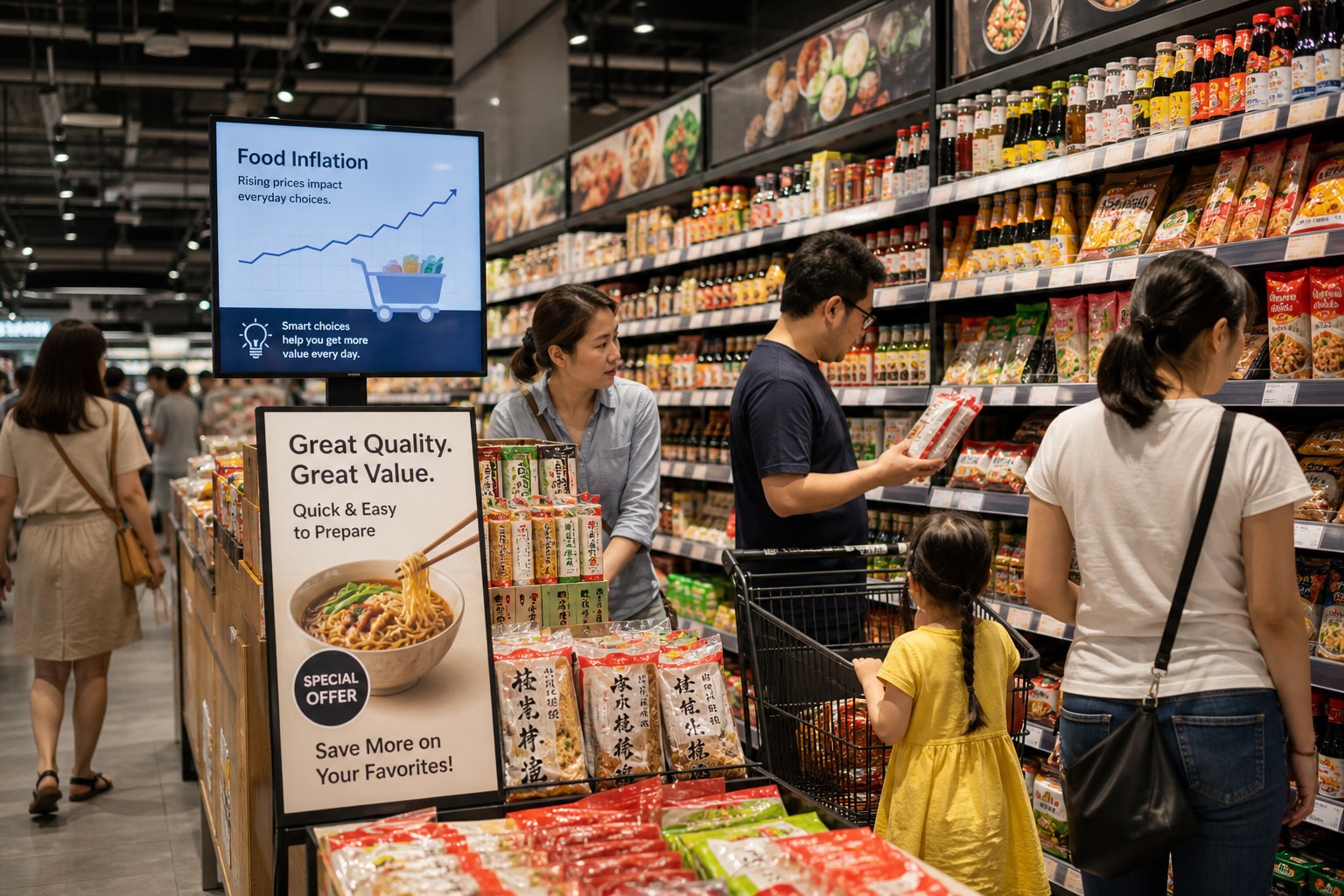
U.S. food inflation may have moderated, but shopper behavior has not simply reverted. Food Dive's coverage of an Acosta...
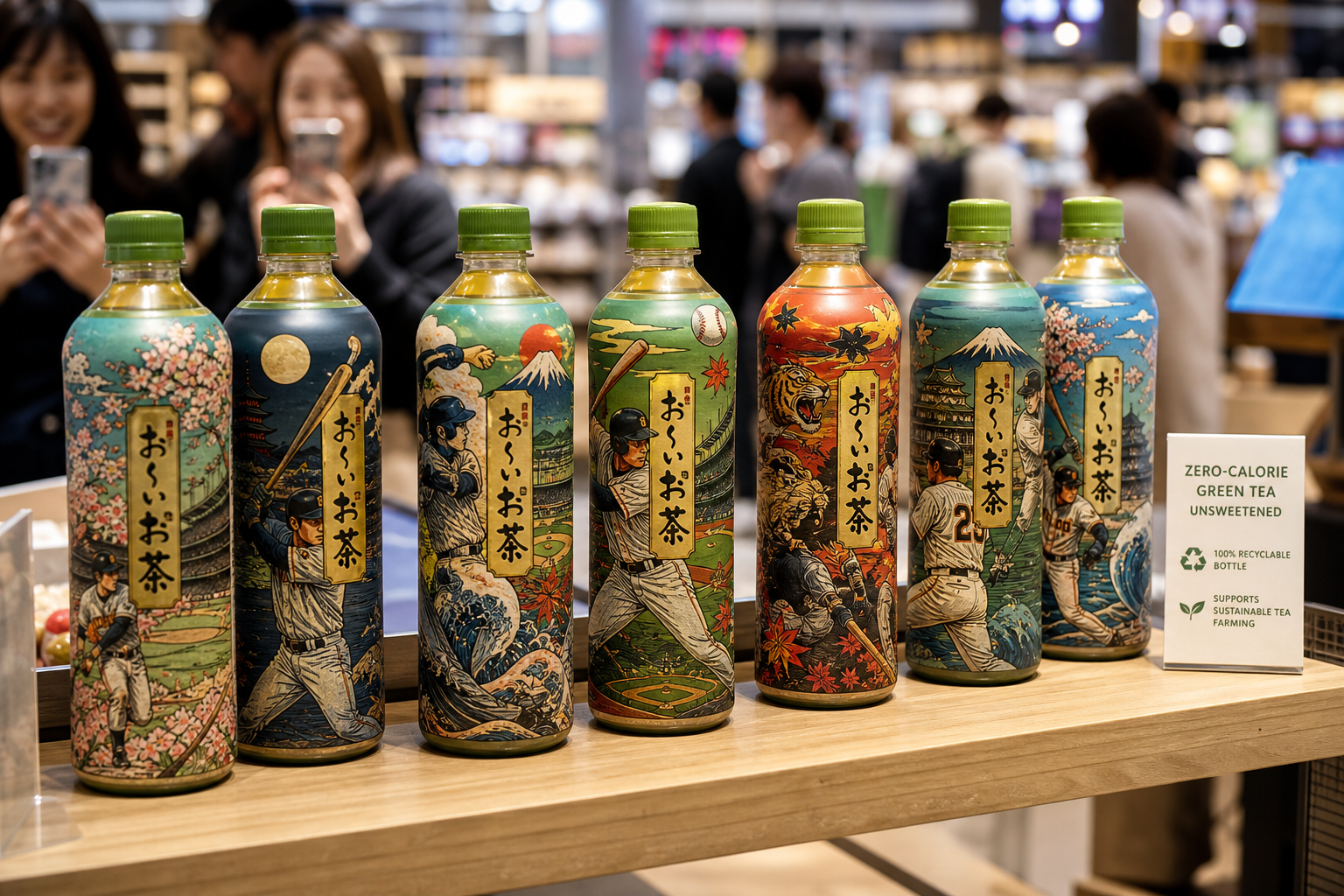
Japanese provenance alone does not guarantee that a U.S. shopper will pick a product off the shelf. The Food...

The U.S. functional beverage market is moving beyond a vague promise of being “better for you” toward a competition...
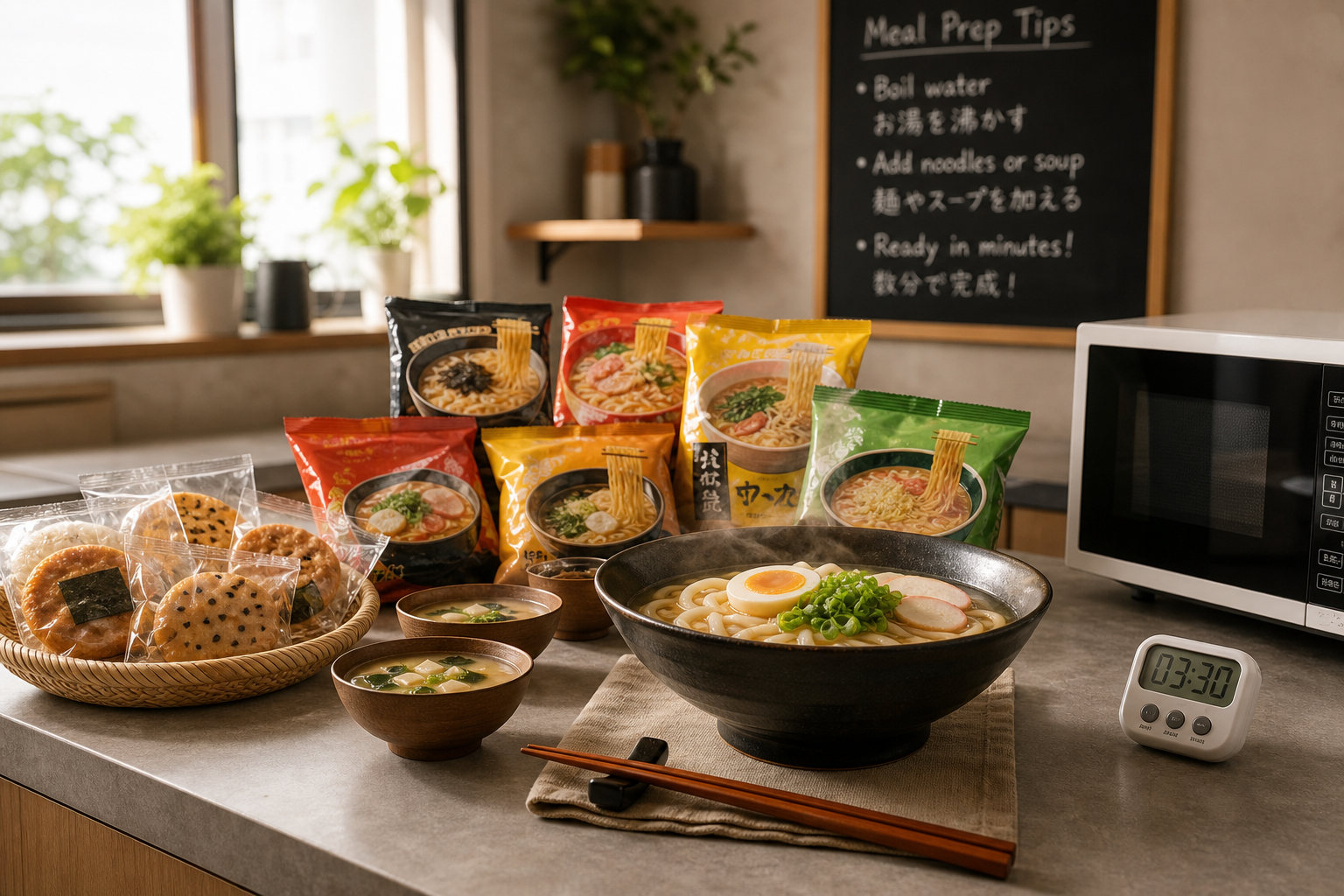
Convenience in the U.S. food market is becoming more than a time-saving feature; it is increasingly a reason to buy....
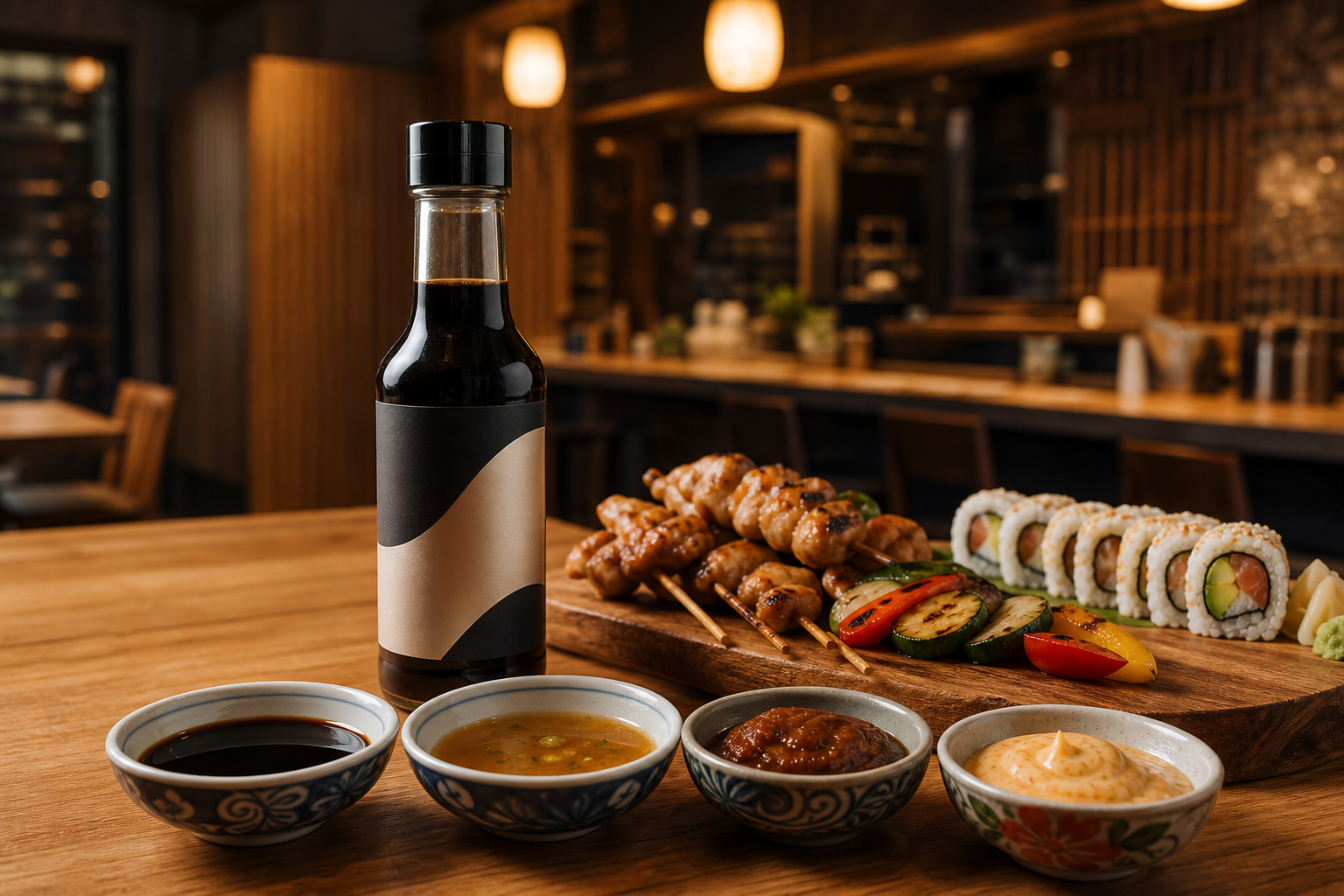
On July 22, 2026, The Food Institute reported that fast-food chains are leaning on sauces and dips to create...

In the U.S. foodservice and retail market, consumers are still looking for small, affordable ways to feel a little...
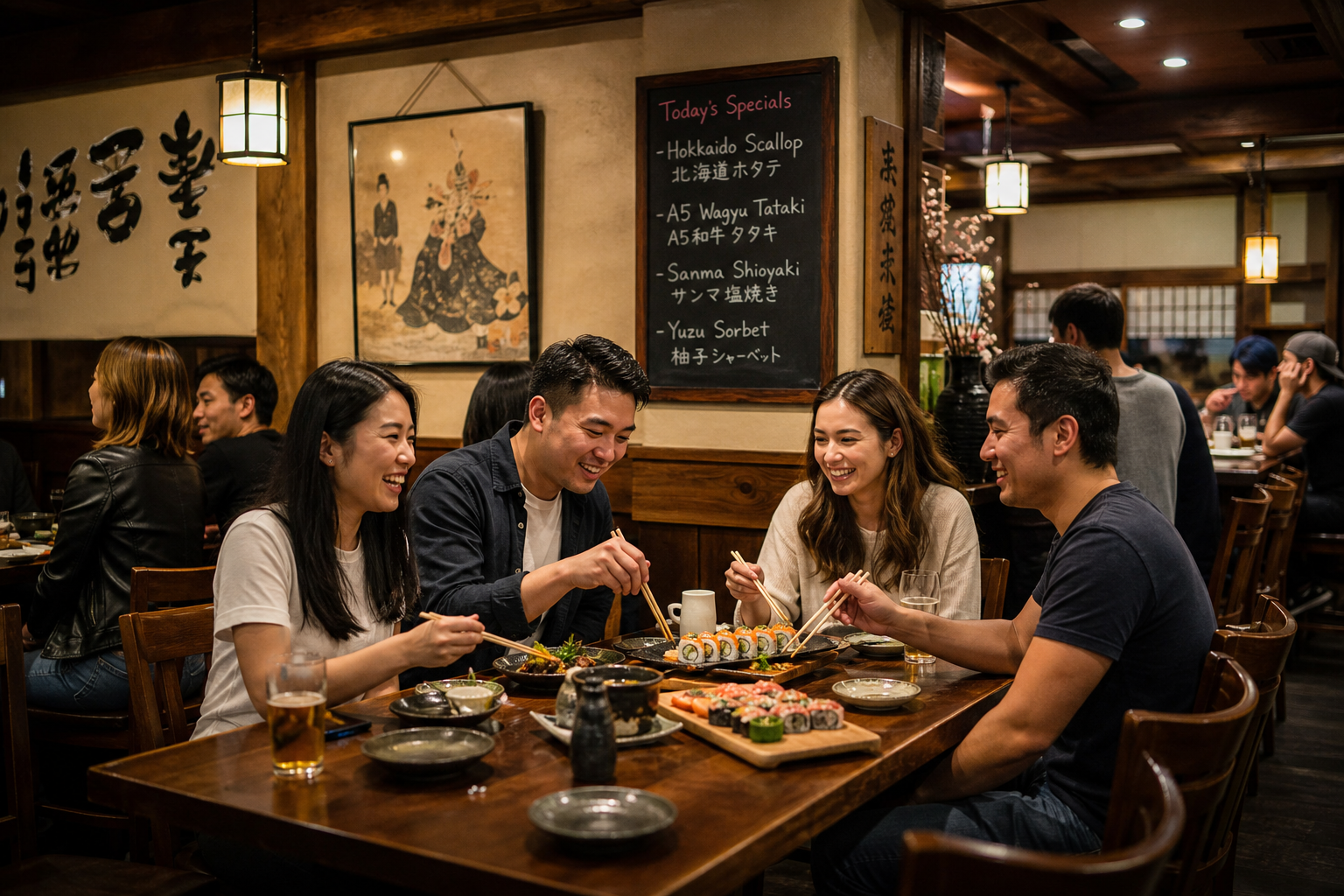
Eater NY's July 24 restaurant closing roundup reported that Wasabi Japanese Restaurant in Greenpoint, Brooklyn, is...