
Why Importing Japanese Food to the U.S. Is Gaining Momentum in 2026
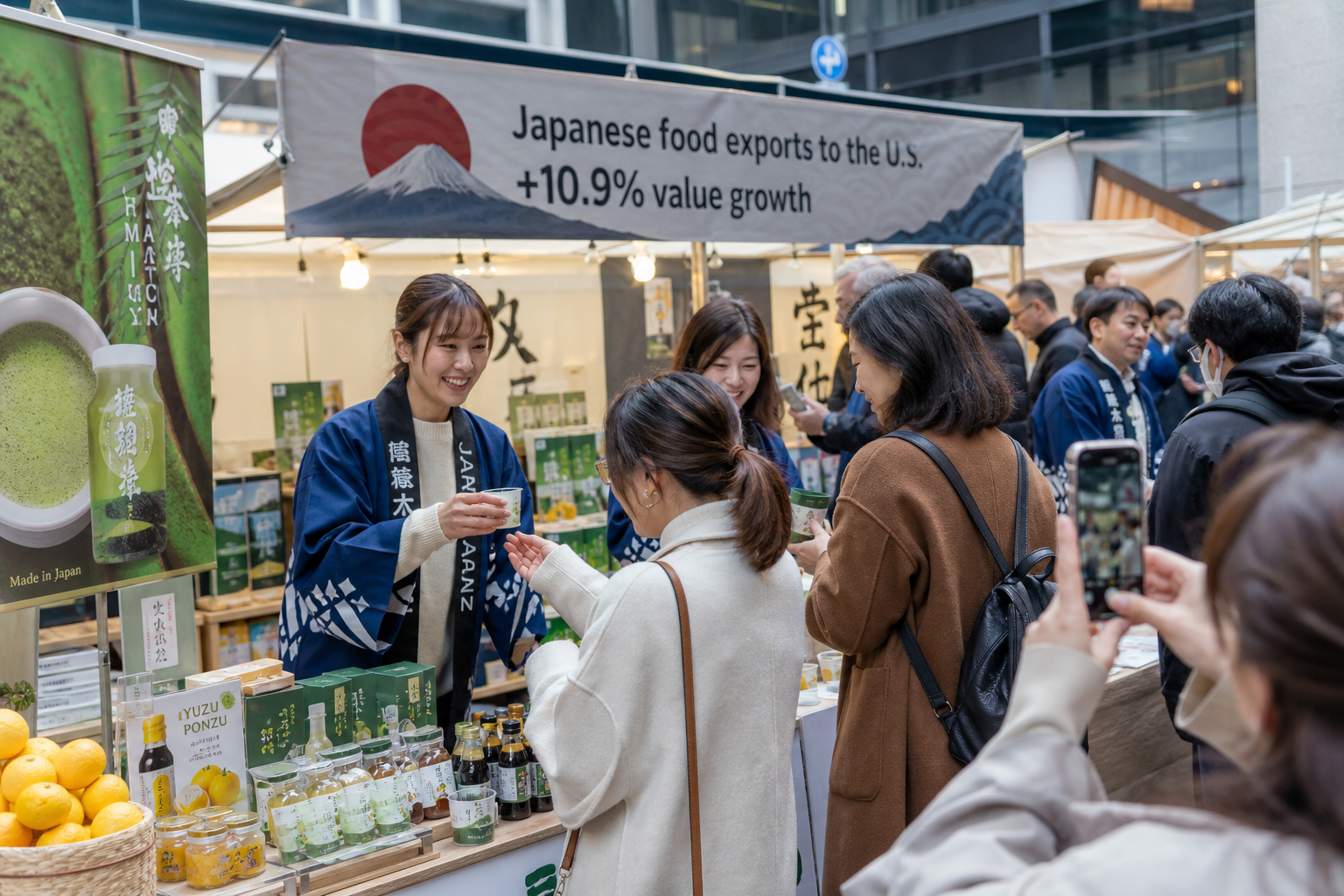
Japan's agricultural, forestry, and fishery exports climbed to an all-time high of ¥1.7 trillion in 2025, marking a record for the thirteenth consecutive year. Within that total, green tea exports nearly doubled to ¥72.1 billion, with matcha accounting for roughly 85 percent of the volume. The United States absorbed 35 percent of all Japanese tea exports, making it the single largest destination market.
Beyond matcha, mixed seasonings such as dressings and mayonnaise reached ¥39.1 billion in export value, while yuzu-based beverages and condiments continued to expand across North American foodservice channels. Inbound tourism has amplified the effect: visitors who discover Japanese ingredients during their trip often seek them out once they return home, driving demand at specialty retailers and mainstream supermarkets alike.
Yet the opportunity comes with complexity. FDA regulations, the Foreign Supplier Verification Program (FSVP), English-language labeling requirements, and tariff classifications each present distinct compliance hurdles. This guide walks through the regulatory framework, labeling essentials, supplier evaluation criteria, landed-cost calculations, and category-specific considerations so that procurement teams can move from initial interest to a confident first shipment.
Understanding the U.S. Regulatory Framework for Food Imports
Three federal agencies govern most food entering the United States, and knowing which one applies to a given product is the first decision an importer must make.
FDA: The Primary Regulator for Most Japanese Foods
The U.S. Food and Drug Administration oversees the majority of general food products. This includes soy sauce, miso, matcha, green tea, confectionery, snacks, seasonings, dashi products, beverages, and processed seafood. The FDA's Center for Food Safety and Applied Nutrition (CFSAN) administers both the safety and labeling requirements that importers must navigate.
USDA FSIS: Meat, Poultry, and Processed Eggs
The USDA Food Safety and Inspection Service has jurisdiction over meat, poultry, and certain processed egg products. These categories undergo a separate import inspection regime, and the exporting country must generally be eligible to send those products to the United States.
TTB: Alcoholic Beverages
The Alcohol and Tobacco Tax and Trade Bureau administers additional permits and labeling requirements for alcoholic beverages. Importers of sake, shochu, or awamori must obtain TTB's Certificate of Label Approval (COLA) and the appropriate basic import permit. For a deeper look at alcohol-specific requirements, the import-readiness checklist for sake and shochu covers TTB permits and COLA procedures in detail.
Confirming the correct regulatory jurisdiction at the outset prevents costly mid-shipment surprises. A product that straddles categories, such as an alcohol-infused confection, may trigger requirements from multiple agencies simultaneously.
FDA Food Facility Registration and the 2026 Renewal Deadline
Every facility that manufactures, processes, packs, or holds food destined for U.S. consumption must maintain an active FDA Food Facility Registration. The registration is facility-specific, and the FDA registration number assigned upon completion is referenced during customs clearance.
Because 2026 is an even-numbered year, all registered facilities face a mandatory biennial renewal between October 1 and December 31. A facility that misses this window risks having its registration cancelled, which can block shipments at the port. Importers sourcing directly from Japanese manufacturers should verify each supplier's renewal status well before the October deadline, especially for shipments scheduled to arrive in Q4.
Foreign facilities must also designate a U.S. Agent to serve as FDA's domestic point of contact. This role is distinct from the FSVP Importer designation. The U.S. Agent receives FDA communications on behalf of the foreign facility, while the FSVP Importer carries the verification and record-keeping obligations. Confusing the two can lead to compliance gaps that surface only during an FDA inspection. For a broader overview of FDA, FSVP, and labeling fundamentals, the introductory article in this series provides additional context.
How to Comply with the Foreign Supplier Verification Program (FSVP)
FSVP is the rule under the Food Safety Modernization Act (FSMA) that places verification responsibility on the U.S.-side importer. The importer must demonstrate that each foreign supplier produces food meeting U.S. safety standards. According to FDA data from fiscal year 2023, 44.2 percent of the more than 1,700 FSVP inspections resulted in citations for failure to develop an FSVP at all, making this the single most common violation category.
The core compliance steps are as follows:
- Appoint a Qualified Individual (QI). This person must possess the education, training, or experience to perform FSVP activities. The QI can be an employee or an outsourced specialist. They must be able to read and understand the language of the records they review.
- Identify suppliers and foods subject to FSVP. Create a comprehensive list of every imported food item and its foreign supplier, and determine which FSVP requirements or exemptions apply to each product.
- Conduct a hazard analysis. Evaluate biological, chemical, and physical hazards for each food and build a risk profile that informs the scope of verification activities.
- Evaluate and approve each supplier. Review the supplier's FDA enforcement history (import refusals, recalls, warning letters) and assess their food safety procedures, including sanitation practices and third-party audit results.
- Perform verification activities. Depending on the identified risk level, combine facility audits, product sampling and testing, and food safety record reviews. The frequency of these activities must also be established and documented.
- Maintain records for at least two years in English. Records that cannot be produced during an FDA inspection are treated as if the verification activity never occurred. Organize records by supplier and product to facilitate rapid retrieval.
Many Japanese food manufacturers are not accustomed to preparing food safety documentation in English. Sharing standardized templates for specification sheets, allergen declarations, and HACCP summaries before negotiations begin can reduce back-and-forth and accelerate the supplier onboarding process significantly.
Filing Prior Notice: Procedures and Common Pitfalls
Every food shipment entering the United States requires electronic Prior Notice to FDA before arrival. The deadline is four hours before arrival for ocean and air freight, and two hours for land or rail shipments. In practice, most importers delegate this filing to their customs broker or freight forwarder, but close coordination between the importer, broker, and supplier is essential to prevent discrepancies.
The Prior Notice must accurately list product details, manufacturer information, shipper, consignee, carrier, and country of origin. Each data point must align precisely with the information on the commercial invoice, bill of lading, and FDA registration. Mismatches between the Prior Notice filing and the actual shipment documentation are among the most frequent causes of detention at U.S. ports.
Common errors include incorrect facility registration numbers, product descriptions that do not match the physical goods, and consignee details that differ from the party listed in customs filings. Verifying that all fields align across all documents before departure is the most cost-effective preventive step an importer can take.
Mandatory Elements for English Labels and Common Mistakes
FDA requires imported food to carry the same labeling as domestic products. Because U.S. labeling rules differ substantially from Japan's Food Labeling Standards, a direct translation of the Japanese label does not meet compliance. What is needed is a U.S.-compliant label adaptation designed from the ground up for FDA formatting.
Required Label Elements
- Statement of Identity: The common or usual name of the food in English, displayed prominently on the principal display panel.
- Net Quantity: Dual-unit declaration using both U.S. customary (oz, lb) and metric (g, kg) measurements.
- Nutrition Facts: A panel formatted strictly to FDA specifications. EU, Canadian, and Japanese nutrition panels are not acceptable substitutes.
- Ingredient List: Ingredients listed in descending order of predominance by weight, using their common English names.
- Allergen Declaration: The nine major allergens (milk, eggs, fish, crustacean shellfish, tree nuts, peanuts, wheat, soybeans, and sesame) must be clearly identified. Sesame was added to the mandatory list in 2023 under the FASTER Act.
- Responsible Party: The name and address of the U.S. importer, distributor, or agent responsible for the product.
Frequent Label Failures
The most common failures include using a Japanese-format nutrition panel, omitting English text entirely, failing to declare sesame as an allergen, and providing net weight in metric units only. Label deficiencies are a leading cause of customs refusal. Correcting them after arrival adds re-labeling costs, warehouse fees, and significant delays that erode margins. Investing in professional label review before printing is far less expensive than post-arrival remediation.
The Matcha Boom and Current Sourcing Realities
Japan's tea exports reached a record ¥72.1 billion in 2025, up 98 percent year over year, with matcha representing approximately 85 percent of export value. The United States is the largest single destination, accounting for 35 percent of all Japanese tea exports. Forbes reported in August 2026 that tencha (the raw leaf milled into matcha) prices surged from ¥5,678 per kilogram in 2024 to ¥14,681 in 2025, nearly tripling in a single year.
The supply constraint runs deeper than price. Milling capacity is limited across Japan, and processing queues have lengthened as demand outpaces infrastructure. Specialized stone-milling or metal-milling facilities are expensive to build and few in number. Japan's Ministry of Agriculture, Forestry and Fisheries revised its tea-industry promotion guidelines in 2025, encouraging conversion of sencha fields to tencha cultivation, yet the required shading structures and specialized drying equipment demand significant capital investment that smaller producers may not be able to afford. Short-term supply relief is therefore unlikely.
According to The Japan Times, powdered green tea including matcha accounted for about 70 percent of green tea export volume in fiscal 2025, while other varieties like sencha declined. Meanwhile, the number of domestic tea producers that closed temporarily or permanently reached a record 13 in 2025, highlighting the structural pressures within the industry.
For import buyers, securing stable matcha supply means locking in annual contracts early and diversifying across multiple production regions. Working directly with producers who hold organic certification and documented traceability strengthens both quality assurance and FSVP compliance. Understanding grade differences between ceremonial, culinary, and ingredient-grade matcha is essential for matching product specifications to the intended commercial application. The 2026 matcha sourcing guide covers grade selection and procurement strategies in greater detail.
Yuzu Products: Growing U.S. Demand Across Categories
Yuzu has carved out a distinctive position among citrus ingredients in the U.S. market. Its layered floral aroma, with notes reminiscent of mandarin and grapefruit, appeals to beverage formulators and culinary professionals alike. The global yuzu sparkling water segment is projected to reach USD 2.83 billion by 2034, growing at a compound annual rate of 8.2 percent. Restaurant adoption of yuzu ponzu and yuzu kosho continues to accelerate in North American foodservice.
Practical considerations for importing yuzu products include the following:
- Ingredient compliance: Yuzu-based beverages and condiments must conform to FDA food additive regulations. Verify that every component ingredient has GRAS (Generally Recognized as Safe) status or an approved food additive listing before finalizing the product specification.
- Label strategy: While "yuzu" is gaining consumer recognition in the United States, adding specific consumption occasion context on the label (salad dressing, grilling marinade, cocktail mixer, sparkling beverage) improves shelf appeal and reduces purchase hesitation for first-time buyers.
- Shelf life and logistics: Refrigerated yuzu juice incurs high cold-chain transportation costs. For commercial and foodservice applications, concentrated forms or freeze-dried yuzu powder are more practical from both a logistics and shelf-stability standpoint. These formats also tend to offer longer usable shelf life after opening.
Yuzu's versatility across beverage, condiment, and dessert applications makes it a strong candidate for importers looking to build a differentiated product assortment. For strategies on converting initial consumer curiosity into repeat purchasing behavior, the yuzu occasion-building article provides a detailed framework.
Criteria for Selecting a Japanese Food Supplier
The reliability of a supplier relationship directly affects both product quality and regulatory compliance. A structured evaluation framework helps importers make informed decisions before committing to purchase orders.
Food Safety Certifications
Confirm whether the supplier holds HACCP certification, JFS-B or higher, or an equivalent third-party audit report. Under FSVP, the supplier's food safety plan forms the foundation for your verification activities. Certification status should be established before pricing negotiations begin, because a supplier without adequate food safety documentation creates compliance risk that no price discount can offset.
English-Language Documentation Capability
The ability to provide specification sheets, ingredient lists, and allergen declarations in English directly impacts the efficiency of label development and FSVP record-keeping. Some Japanese manufacturers have limited experience producing technical documents in English. Providing bilingual templates in advance reduces turnaround time and minimizes errors in translation, particularly for ingredient names and allergen terminology where precision is non-negotiable.
Lot Traceability and Quality Control
Evaluate whether the supplier maintains raw-material origin tracking, production lot management, and a post-shipment recall response protocol. In the event of a U.S. recall, the supplier's traceability records become essential evidence for FDA reporting. Ask to see sample traceability documentation during the evaluation process rather than assuming the system is in place.
MOQ Flexibility and Trial Orders
For initial market entry, small-lot test imports allow buyers to gauge consumer response before scaling. Suppliers with excessively high minimum order quantities (MOQ) increase inventory risk, especially for products with limited remaining shelf life upon arrival after ocean transit. Confirming sample availability and trial-order terms upfront improves the precision of go/no-go decisions and reduces the financial exposure of market testing.
How to Calculate Landed Cost for Japanese Food Imports
Evaluating profitability requires looking beyond the FOB price. Landed cost captures every expense from the supplier's loading dock to the buyer's warehouse or retail shelf, providing a complete picture of unit economics. Importers who operate without a landed-cost model risk discovering margin shortfalls only after inventory has arrived. For broader context on pricing strategy in the current U.S. affordability environment, the related analysis offers additional perspective.
Key Landed-Cost Components
- Product cost (FOB): Negotiated with the supplier, typically denominated in JPY, introducing currency-exchange risk that should be managed through hedging or pricing adjustments.
- International freight: Ocean container rates (FCL or LCL) or air freight charges. Refrigerated and frozen products carry temperature-controlled surcharges that can substantially increase per-unit shipping costs.
- Customs duty: Determined by the HTSUS classification. MFN (Most-Favored-Nation) rates apply to Japanese-origin goods and range from 0 percent to over 20 percent depending on the product category.
- Processing fees: Merchandise Processing Fee (MPF), Harbor Maintenance Fee (HMF, applicable to ocean shipments only), and customs broker service fees.
- FDA-related costs: Facility registration maintenance, U.S. Agent fees, FSVP audit and record-management expenses, and any third-party testing or laboratory analysis costs.
- Domestic logistics: Inland transport from port to warehouse, warehousing and storage charges, and last-mile delivery if selling direct.
- Labeling costs: English label design, regulatory review, printing, and application labor. If sticker overlays are used instead of fully printed packaging, the per-unit cost is typically higher.
Calculating landed cost on a per-SKU basis reveals profit margins that the FOB price alone obscures. Building a spreadsheet model that includes all components allows for scenario testing when exchange rates shift, freight markets change, or tariff schedules are adjusted. Quarterly reviews are advisable to keep pricing strategies aligned with actual cost structures.
Common Reasons for Detention at U.S. Customs and How to Prevent Them
Understanding the most frequent FDA enforcement triggers allows importers to address vulnerabilities before goods leave the origin port.
- Prior Notice errors: Discrepancies in manufacturer details, product descriptions, or consignee information are the most common trigger for holds. Cross-check every field with the customs broker before filing.
- Expired facility registration: With 2026 being a biennial renewal year, shipments arriving after October may be detained if the supplier's renewal has not been completed. Treat this as a calendar-critical milestone, not an afterthought.
- Missing FSVP records: If an FDA inspector requests your FSVP documentation and it cannot be produced, the agency treats the verification as never having been performed, regardless of what actually happened.
- Labeling violations: Incorrect Nutrition Facts formatting, missing allergen declarations, absence of English text, and metric-only weight declarations are among the most cited issues.
- Active Import Alerts: Products, suppliers, or countries of origin flagged on FDA's Import Alert list may be detained without physical examination (DWPE). Checking the current Import Alert database before each shipment should be a standard operating procedure.
Post-arrival corrections involve warehouse storage fees, re-labeling expenses, and potential return or disposal costs. The financial impact of a single detention can exceed the cost of professional pre-shipment compliance review many times over. Building a pre-shipment checklist that covers document alignment, label accuracy, and Import Alert screening is consistently the highest-return preventive measure available.
Category-Specific Considerations for Japanese Food Imports
Matcha and Green Tea
Matcha is generally classified under HTSUS heading 0902 (tea), though certain processed forms such as matcha-flavored food preparations may fall under heading 2106. Pesticide residue limits are set by the EPA and may differ from Japanese domestic standards. If the product carries organic certification, confirm that the USDA Organic mutual recognition agreement with Japan applies to the specific certification body. Grade selection matters commercially: ceremonial-grade matcha commands higher prices but serves a different market segment than culinary or ingredient-grade powder.
Seasonings and Sauces
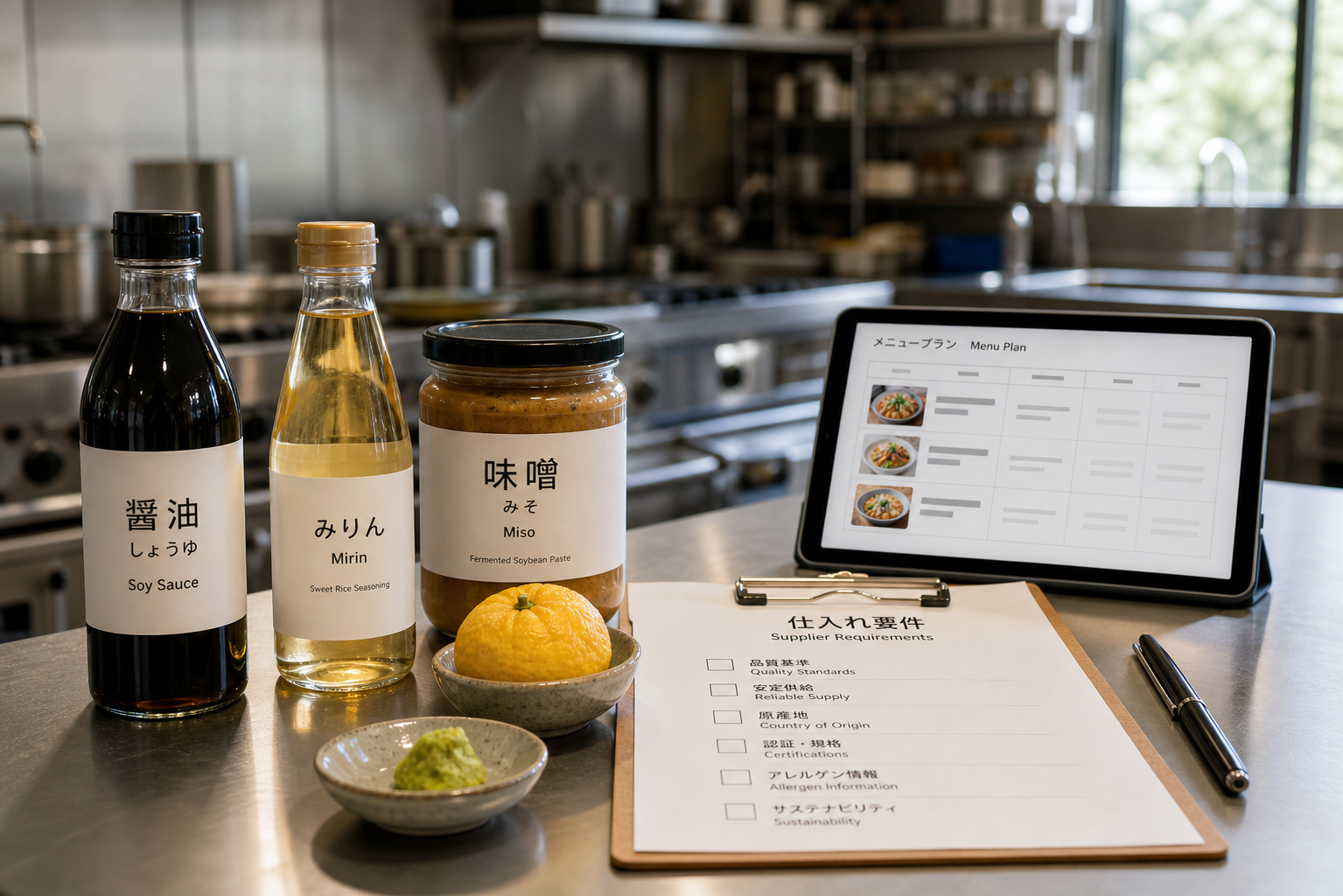
Soy sauce, miso, ponzu, and dashi-related products are regulated as general FDA foods. Wheat in soy sauce triggers allergen labeling obligations. Soybean content in miso requires a soy allergen declaration. Products classified as low-acid canned foods (for example, certain sealed miso products with a pH above 4.6) may require additional Food Canning Establishment (FCE) registration and Scheduled Process (SID) filing. The condiment and seasoning sourcing guide explores foodservice applications and procurement considerations for this category.
Confectionery and Snacks
Japanese confectionery benefits from individual packaging and long shelf life, qualities valued in U.S. retail. However, colorants and additives must appear on FDA's approved lists (GRAS or Color Additive Regulations). An ingredient permitted in Japan but unapproved by FDA renders the product inadmissible. For importers evaluating distribution models, the snack wholesale comparison outlines the trade-offs between domestic distributors and direct import.
Processed Seafood
Seafood imports, including katsuobushi, niboshi, and dried seaweed, are subject to the Seafood HACCP requirements under 21 CFR Part 123. The importer must verify the supplier's HACCP plan and maintain parallel FSVP documentation. For dried products, moisture content and processing methods determine whether the product is classified as a seafood item or a shelf-stable food preparation, which affects the applicable regulatory pathway.
Sake, Shochu, and Awamori
Alcoholic beverages fall under dual jurisdiction: FDA for food safety and TTB for permits and labeling. The importer must hold a TTB Basic Permit and obtain a Certificate of Label Approval (COLA) before the product enters the market. The U.S. entry-point strategy for sake and shochu covers positioning, food-pairing proposals, and market-entry tactics in detail.
Japanese Food Categories Gaining Traction in the U.S. Market
According to The Japan Times, Japan's green tea export value more than doubled in fiscal 2025, fueled by surging global demand for matcha lattes, matcha desserts, and matcha-based bakery ingredients. The momentum extends across multiple categories:
- Matcha: Commercial-grade demand from cafés, bakeries, and ice-cream manufacturers continues to grow. Uji and Kyoto-origin matcha commands premium pricing in wholesale channels.
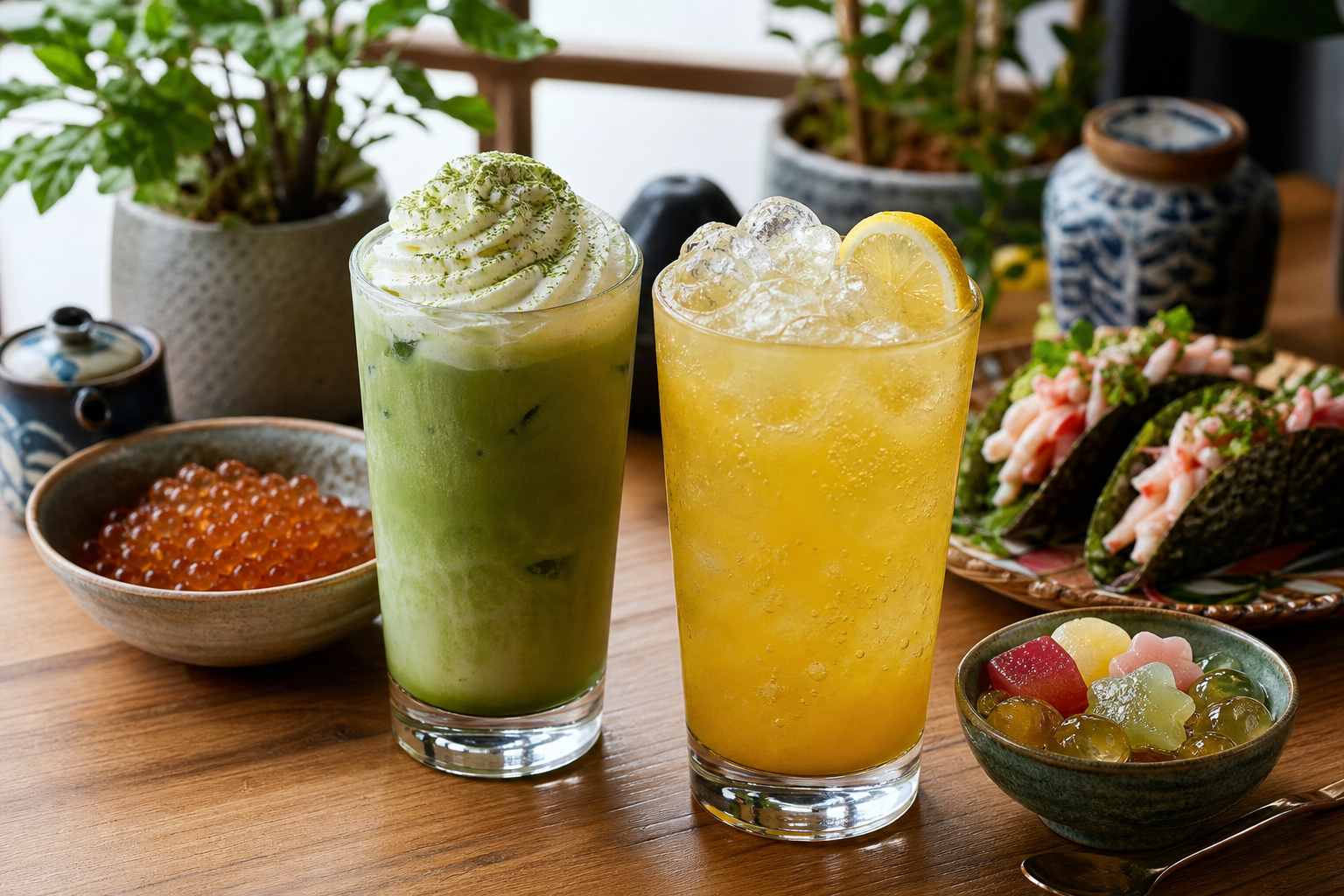
- Yuzu: Sparkling yuzu beverages, yuzu ponzu, and yuzu kosho are expanding across U.S. restaurant and retail shelves, driven by consumer interest in distinctive citrus flavors.
- Mixed seasonings: Dressings, mayo-style sauces, and flavor bases reached ¥39.1 billion in export value, reflecting broadening interest in Japanese condiment applications for both home cooking and foodservice.
- Sake and shochu: North American shipments remain strong, supported by food-pairing proposals that help restaurant operators integrate these beverages into existing menus.
- Snacks and confectionery: Individual packaging, ambient shelf stability, and distinctive flavors position Japanese snacks well for impulse purchase and specialty retail placements.
Aligning product selection with the right sales channel (retail, foodservice, or e-commerce) and beginning with small test orders is a practical way to validate consumer response before scaling procurement volumes. The U.S. convenience-demand import strategy provides additional guidance on matching Japanese food formats to American consumer expectations.
Action Plan to Streamline Your Japanese Food Import Operations
Phase 1: Pre-Shipment Preparation (3–6 Months Before Shipping)
- Confirm the FDA jurisdictional classification of each target product (FDA, USDA FSIS, or TTB).
- Verify the supplier's FDA Food Facility Registration status and U.S. Agent designation.
- Appoint a FSVP Qualified Individual and prepare the hazard analysis framework.
- Work with a customs broker to determine the HTSUS classification and applicable duty rate for each SKU.
- Begin English-label design, including the Nutrition Facts panel, allergen declarations, and net quantity statements.
Phase 2: Supplier Evaluation and Contracting (1–3 Months Before Shipping)
- Assess the supplier's food safety certifications (HACCP, JFS) and quality management systems.
- Obtain English-language specification sheets, complete ingredient lists, and allergen information.
- Request product samples, and evaluate taste, quality, and label-readiness against target market requirements.
- Agree on MOQ, payment terms, and delivery schedule, then execute the initial purchase contract.
- Calculate the full landed cost per SKU and validate retail or foodservice pricing viability.
Phase 3: Shipping and Customs Clearance
- File Prior Notice with FDA within the required timeframe before the shipment's arrival.
- Cross-reference all shipping documents (commercial invoice, bill of lading, FDA declarations) with the customs broker to confirm alignment.
- Monitor the FDA release status (May Proceed, Hold, or Detention) upon arrival and respond promptly to any requests for information.
- Organize all FSVP records so they are inspection-ready at all times.
Common Challenges and Practical Solutions for Japanese Food Importers
Language Barriers and Communication
Negotiating with Japanese manufacturers and exchanging technical documentation often stalls when English-language support is limited on the supplier side. Engaging bilingual intermediaries or using standardized bilingual document templates can cut the time needed to finalize specifications, allergen data, and label content. Establishing a shared communication workflow at the start of the relationship prevents misunderstandings that become expensive to correct after production has begun.
Coordinating with Multiple Manufacturers
Building a diversified product assortment means working with several manufacturers simultaneously, each with its own quoting process, sample logistics, and quality standards. For buyers looking to streamline this process, the umamill B2B platform consolidates access to over 1,900 Japanese food manufacturers in a single interface, covering product discovery, sample requests, and trade-operation support, which reduces the coordination overhead of managing multiple supplier relationships independently.
Inventory Risk and Shelf-Life Management
Ocean freight from Japan to the U.S. West Coast typically takes two to four weeks. Products with short shelf lives arrive with limited remaining saleable time, compressing the window for distribution and retail sell-through. Starting with ambient-stable categories such as dried goods, shelf-stable snacks, and seasonings minimizes spoilage risk. Expanding into refrigerated and frozen items is best done after demand patterns have been validated and a cold-chain logistics infrastructure is in place.
Combining Regulatory Readiness with Market Insight
Importing Japanese food into the United States sits at the intersection of regulatory compliance and commercial judgment. FDA facility registration, FSVP verification, English-label adaptation, and tariff classification form the compliance baseline, while supplier selection, landed-cost analysis, and category-trend awareness drive the business case.
The numbers underscore the opportunity: Japan's food exports reached a record ¥1.7 trillion in 2025, matcha exports nearly doubled, and yuzu products are expanding across U.S. beverage and condiment shelves. Buyers who build their compliance infrastructure methodically and evaluate suppliers rigorously position themselves to capture a growing share of this market.
Use the steps outlined in this guide as a working checklist. Address each regulatory and operational requirement in sequence, verify documentation before every shipment, and treat your first order as a structured pilot rather than a one-time transaction. Sustainable import operations are built on preparation, consistent execution, and reliable supply-chain partnerships.
FAQs About Importing Japanese Food to the U.S.
Who is responsible for FSVP compliance?
The obligation falls on the U.S.-side importer, defined as the owner or consignee of the food at the time of customs entry. The foreign manufacturer does not carry FSVP responsibility. If no U.S. owner or consignee exists at time of entry, the foreign owner must designate a U.S. agent or representative to fulfill the role.
Can I use Japanese food labels as-is when exporting to the United States?
No. FDA mandates a U.S.-specific Nutrition Facts format, English-language ingredient lists, and declaration of nine major allergens. Japan's food labeling standards differ in format and content requirements, so a U.S.-compliant label adaptation is necessary for every product.
What should matcha importers watch out for specifically?
Tencha supply constraints and price volatility are the most immediate operational challenges. Verify that organic certifications are recognized under the USDA Organic mutual recognition framework. Confirm that pesticide residue levels meet EPA tolerance limits, which can differ from Japanese domestic standards. Establishing annual contracts with multiple producers improves supply stability.
What are the key considerations for importing yuzu products?
Yuzu juice and processed yuzu items fall under FDA general food jurisdiction. Adding specific consumption occasion context to the label (salad dressing, grilling marinade, cocktail mixer) aids consumer understanding and improves on-shelf conversion. Refrigerated yuzu juice carries high cold-chain costs, so concentrated or freeze-dried formats are more viable for commercial-scale imports.
Where should first-time importers begin?
Start by confirming the regulatory jurisdiction of the target product (FDA, USDA, or TTB). Verify the supplier's FDA facility registration status. Appoint a FSVP Qualified Individual and prepare a hazard analysis. In parallel, begin English-label development, confirm the HTSUS tariff classification, and calculate the full landed cost to assess business viability before placing a first order.
At What Stage of the Import Process Can the umamill B2B Platform Help?
umamill helps streamline the early stages of the import process, from discovering suitable suppliers and arranging product samples to coordinating negotiations with manufacturers and providing support with international trade procedures.
By offering a single point of access to more than 1,900 Japanese food manufacturers, umamill enables importers to reduce the time and effort required to communicate and negotiate with multiple suppliers individually, making the sourcing and import process more efficient.